Is Chimney Liner Repair Enough in Your Older Home?
A lot of older Pittsburgh homes still have the original chimney systems. Craftsman houses, brick row homes, and pre-war builds were often designed for coal or open fireplaces, not for today's high-efficiency gas furnaces or modern wood stoves. That older chimney liner may be doing a job it was never meant to do.
The liner inside your chimney is not just a "nice to have." It helps keep heat, sparks, and corrosive flue gases away from your walls and framing, and it lets your fireplace or furnace draft the way it should. When that liner starts to fail, you are not just dealing with a comfort issue; you are dealing with a safety and performance issue.
So when damage shows up, what is smarter: a small chimney liner repair in one spot or a full new liner from top to bottom? Making the wrong call can affect safety, insurance coverage, and how well your appliance burns. In this article, we will walk through how liners fail, what signs to watch for, when a spot repair is reasonable, and when full relining is the safer long-term fix for an older Pittsburgh home.
How Chimney Liners Fail in Older Pittsburgh Homes
Older chimneys around Pittsburgh put in a lot of hard work. Decades of burning and our wet climate can be tough on tile and metal liners. Common causes of liner damage include age and use (years of heat cycles and creosote), freeze-and-thaw cycles in the brick and mortar around the flue, moisture from leaks and open tops, and appliance changes over the years.
Many older flues were built with clay tiles sized for coal or open fireplaces. When those flues now serve modern gas inserts or high-efficiency furnaces, the old liner can be the wrong fit and can struggle with the way modern appliances vent. In practice, that often means the liner may be too large or too small for the appliance, it may be stressed by cooler, more acidic exhaust, and it may become stained or eroded from long-term condensation.
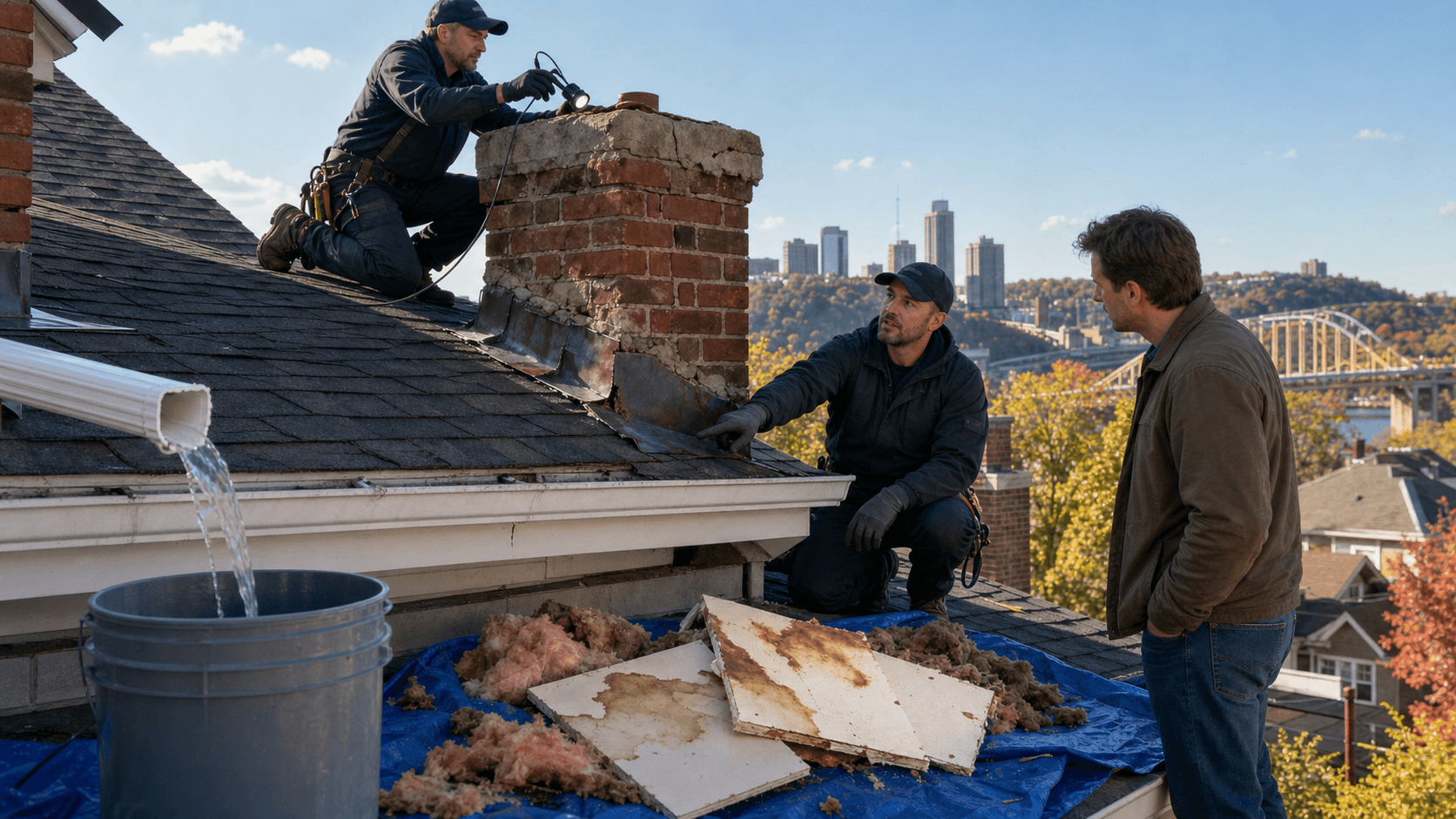
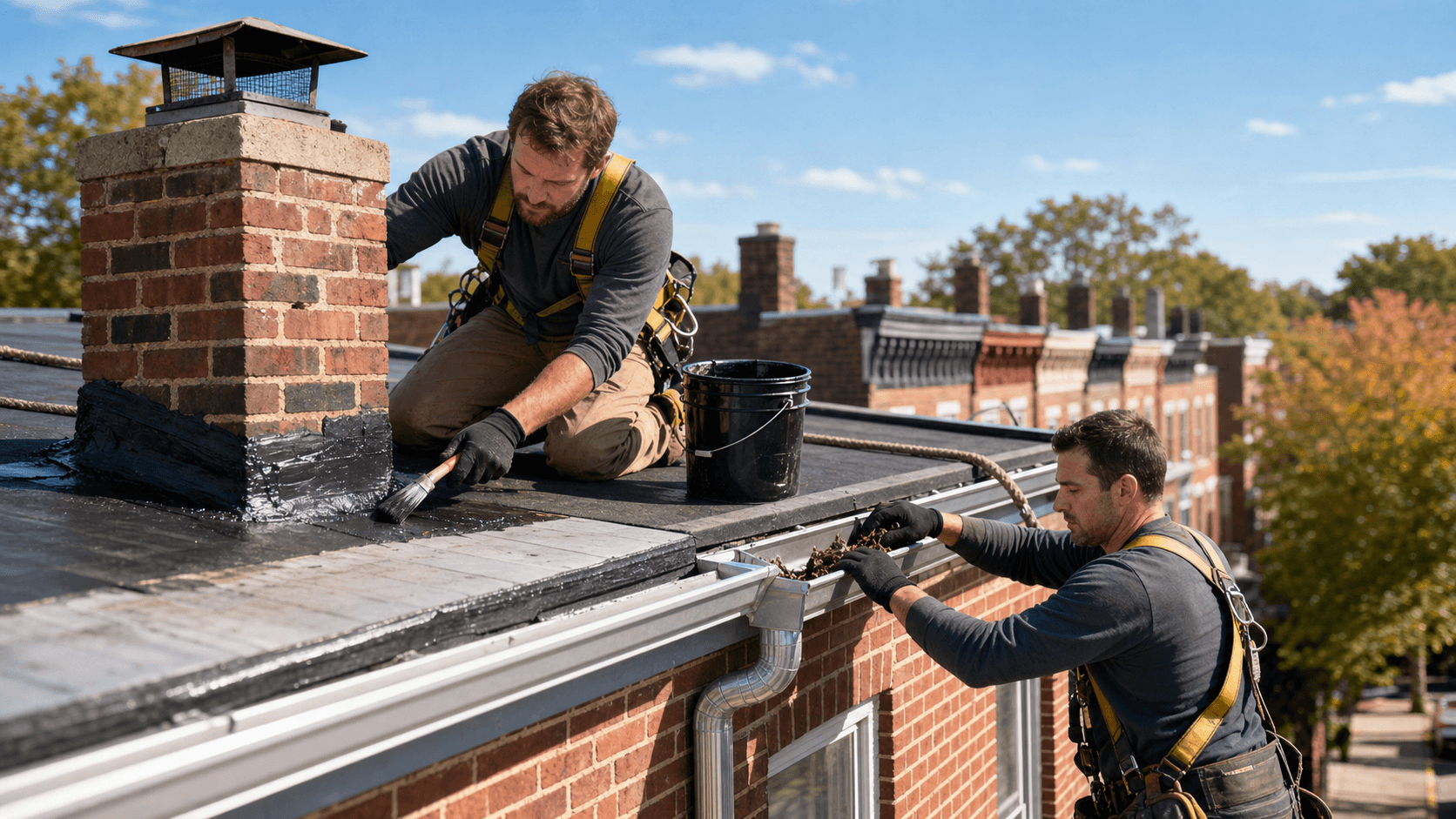
Moisture is a big factor in Pittsburgh. A missing cap, cracked crown, or porous brick lets rain and snow melt seep in, and over time that water can crack clay tiles, rust metal liners, and wash mortar joints out of place.
Some warning signs are easy to see, others are hidden. Watch for:
- Flakes or chunks of clay tile in the firebox or clean-out
- Dark stains on walls near the chimney
- Musty, smoky smells that do not go away
- Rust on the damper or metal parts in the firebox
- Smoke backing up or a weak draft when you light a fire
Problems often show up after a long, wet spring or after a heavy winter burning season. Warm months are usually the best time to have a full inspection and any chimney liner repair work done, before nights turn cool and everyone starts using their systems again.
When a Chimney Liner Repair Is a Safe, Smart Option
"Spot repair" or "targeted repair" means fixing a small, clearly defined problem inside an otherwise healthy liner. This is not a band-aid on a failing system. Done correctly, it is a focused repair that brings the liner back into safe working order.
A true spot repair might involve:
- Replacing one or two cracked tiles
- Filling minor mortar gaps between tiles
- Resurfacing a short section of the flue
- Repairing a small area of corrosion in a metal liner
Repair is usually a good option when the chimney structure is straight and stable, there are no large voids or missing sections inside the flue, and most tiles or metal sections are intact and continuous. It also matters that the existing liner is the correct size for the attached appliance and that the fireplace or furnace already drafts well and does not smoke or spill.
In those situations, targeted chimney liner repair can:
- Avoid the larger project of full relining
- Reduce disruption inside the home
- Shorten the time your fireplace or heating system is out of service
- Add years of safe life to an older liner system
The key is that a trained professional confirms that damage is truly limited. With a good video inspection and a clear picture of what is going on, a small repair can be a safe, smart way to keep an older Pittsburgh chimney working well.
Clear Signs Full Chimney Relining Is the Safer Choice
Sometimes the damage inside an older chimney is not limited to one small spot. When problems are spread throughout the flue, full relining is usually the safer option.
Red flags that point toward full relining include:
- Multiple cracked or missing clay tiles from bottom to top
- Open mortar joints and gaps that you can see on camera
- Signs of a past chimney fire, like shiny, glazed creosote or burnt tiles
- Warped or heavily rusted metal liners
- Ongoing moisture problems, even after caps or crowns were repaired
- Recurring smoke spillage or flue gas smells after earlier repairs
There are also code and insurance issues to think about. Modern building and fire codes typically call for a continuous, properly sized liner that matches the attached appliance, liner materials tested and listed for chimney use, and correct clearances between the flue and nearby wood framing. Older, patched liners often do not meet current appliance instructions, and insurance companies may also expect proof of a proper liner if there is ever a chimney fire or related loss.
Full relining can be a strong long-term plan for older Pittsburgh chimneys because it:
- Creates a smooth, continuous flue from the appliance connection to the top
- Improves draft and can help appliances run more efficiently
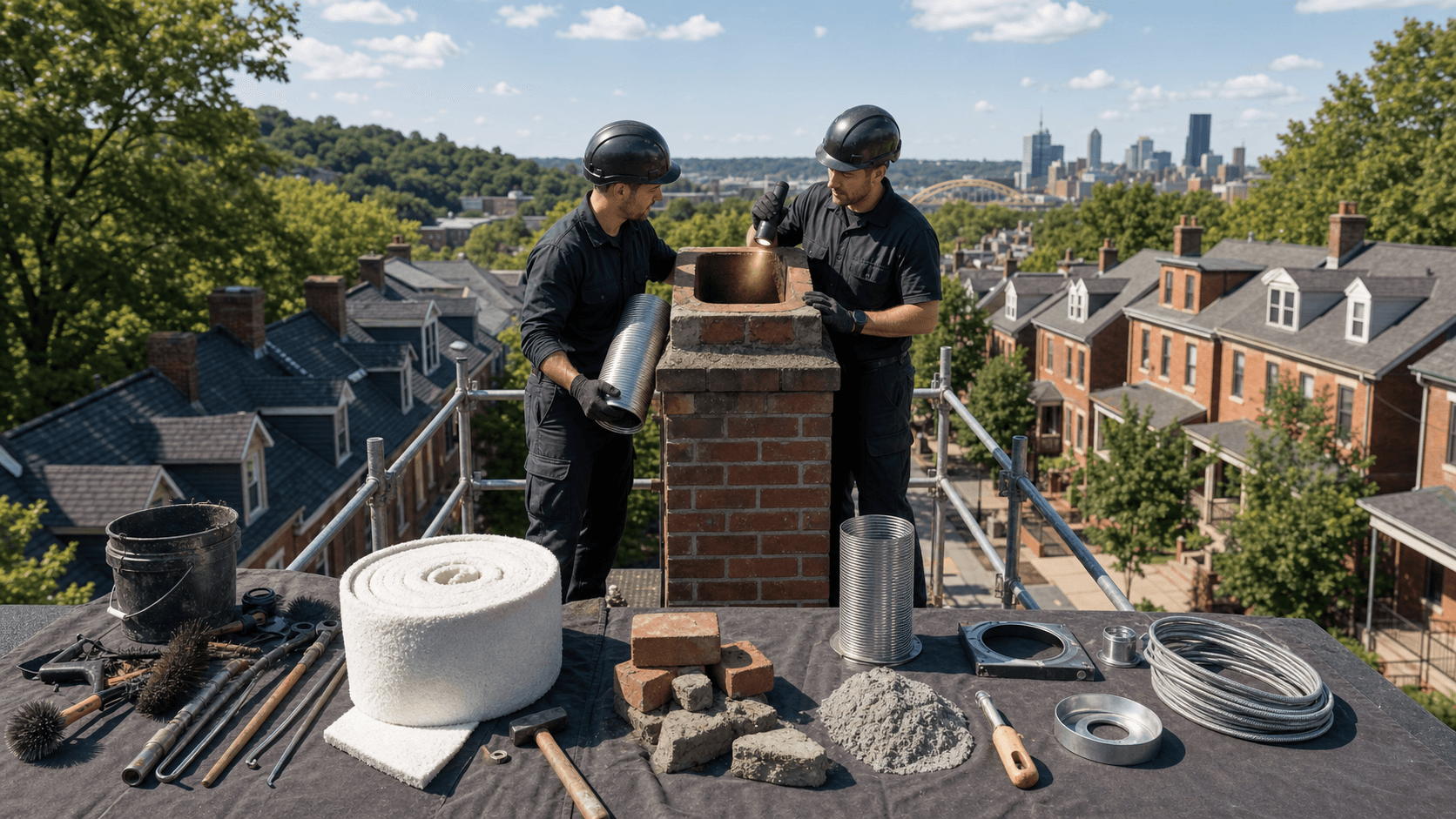
- Uses materials like stainless steel or cast-in-place systems that hold up better to our freeze-and-thaw cycles and acidic flue gases
- Addresses safety, performance, and moisture issues at the same time
For many homeowners, that peace of mind heading into another heating season is worth the larger project.
How Chimney Pros Decide Between Repair and Relining
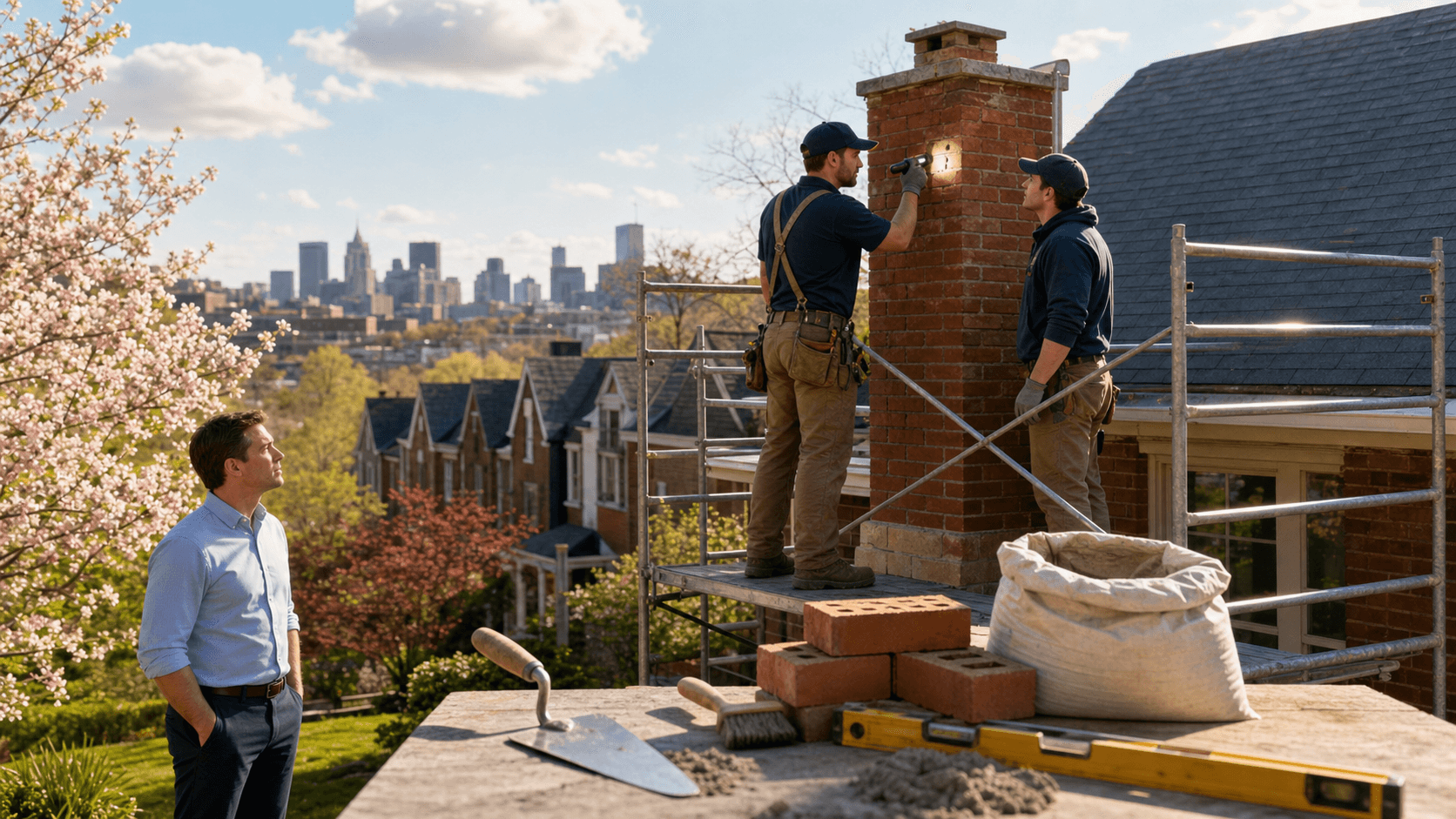
A careful inspection is what separates guessing from making a solid plan. A professional chimney check usually starts with a visual look at the firebox, damper, and exterior, then moves into more detailed levels when needed.
You may hear about:
- Level 1 inspections, which focus on areas that are easy to reach and see
- Level 2 inspections, which add video imaging inside the flue and are recommended during home sales, appliance changes, after a chimney fire, or after major storms or damage
With a chimney camera, we can see every inch of the liner, from the appliance or firebox all the way up. That visibility allows us to map where each crack, gap, or missing tile is, see how many areas are affected, and look for hidden voids or signs of past fires.
We also compare what we see to current safety standards and appliance needs by:
- Checking liner size against the fireplace, stove, boiler, or furnace
- Measuring chimney height for proper draft
- Confirming clearances to nearby framing where possible
- Reviewing the condition of the bricks, mortar, crown, and cap
Then it becomes a practical call based on how the home is used and what your plans are. We consider:
- How often the system is used, a few fires a year or daily heating
- Whether you plan to upgrade appliances soon
- How long you plan to stay in the home
From there, a good report should spell things out in plain language so you are not left interpreting technical notes. You should see:
- Whether targeted chimney liner repair can safely solve the problem
- When full relining is the better choice and why
- Options for liner materials, along with expected lifespans
- Confirmation that the proposed work will follow current standards and local Pittsburgh requirements
Protect Your Pittsburgh Home with the Right Liner Plan
Waiting until the first chilly night is when many people notice problems, but that is also when chimney schedules fill up. Taking care of inspection and any chimney liner repair or relining work during warm weather gives you time to make clear choices without feeling rushed.
In older Pittsburgh homes, the chimney is a big part of the house, even if you only think about it when it is cold outside. Understanding what is going on inside the liner, and knowing when a small repair is enough or when a full new liner is safer, helps protect your home, your heating system, and your peace of mind.
Protect Your Home With Expert Chimney Liner Repair Today
If you are noticing draft issues, smoke problems, or crumbling flue tiles, our team at Chimney Fixers SEO is ready to help with professional chimney liner repair tailored to your system. We carefully inspect your chimney, explain our findings in plain language, and recommend only the repairs you actually need. Reach out today to schedule an evaluation or request a quote through our contact page so we can help restore your chimney's safety and performance.