Rethinking a Costly Chimney Rebuild This Summer
When winter is over in Pittsburgh, chimney problems suddenly stand out. Bricks look rough, mortar lines seem deeper, and stains or leaks around the fireplace are hard to ignore. At the same time, summer home projects are stacking up and money has to stretch.
If you have been told you need a full chimney rebuild in Pittsburgh, it is normal to pause and ask if that is really the only safe option. In many older brick homes, careful repairs, relining, or masonry restoration can give the chimney many more years of life without tearing it all down.
We want to walk you through how to tell the difference. Our team at Chimney Fixers is CSIA-certified and family-owned, and we work on chimneys in Pittsburgh and nearby areas every day. We know how local brick, weather, and age affect a chimney, and we care about protecting both safety and your home's character, not pushing unnecessary work.
How Pittsburgh Brick Chimneys Really Fail
Pittsburgh weather is tough on brick chimneys. Older brick and mortar often soak up water. When that water freezes and thaws over and over, it can break the surface of the brick and slowly weaken the whole stack.
Common local stress factors include:
- Freeze-thaw cycles that pop faces off bricks
- Ice dams and heavy snow sitting around the chimney base
- Wind-driven rain soaking porous brick and mortar joints
- Years of temperature swings on older masonry
These pressures often show up as warning signs like:
- Spalling bricks with flaking or missing faces
- Crumbling or missing mortar between bricks
- A chimney that looks like it is leaning or pulling away from the house
- Cracked or broken crowns on top of the chimney
- Rust streaks on the face of the chimney or on the firebox
- Water stains on ceilings or walls near the fireplace
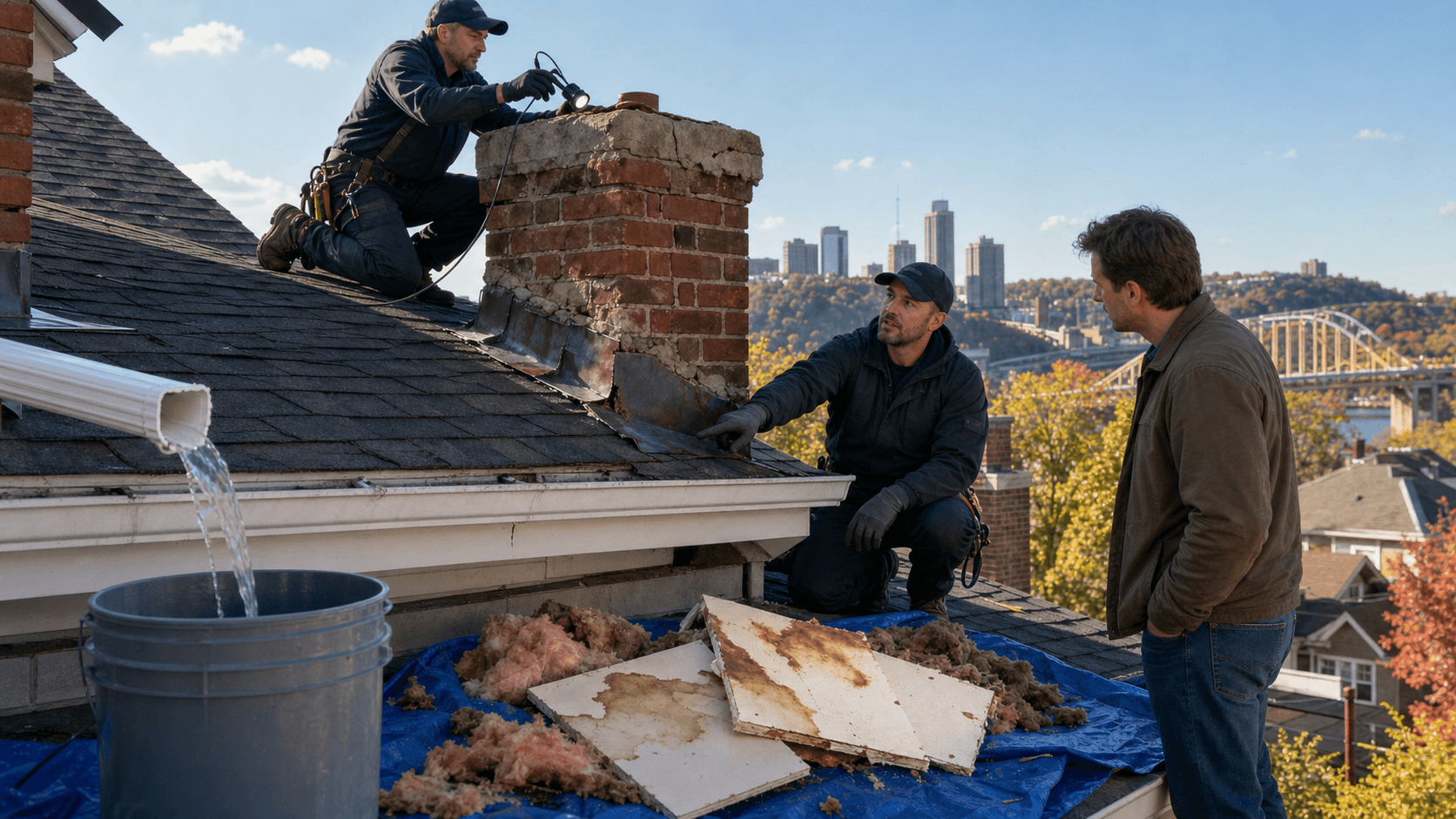
Many homeowners see these signs and are told right away that a full chimney rebuild in Pittsburgh is needed. But sometimes the main problem is not the brick itself. Poor or damaged flashing around the base, a missing or broken cap, or a bad or missing flue liner can let water into places it should never reach. That water can make a chimney look worse than it actually is.
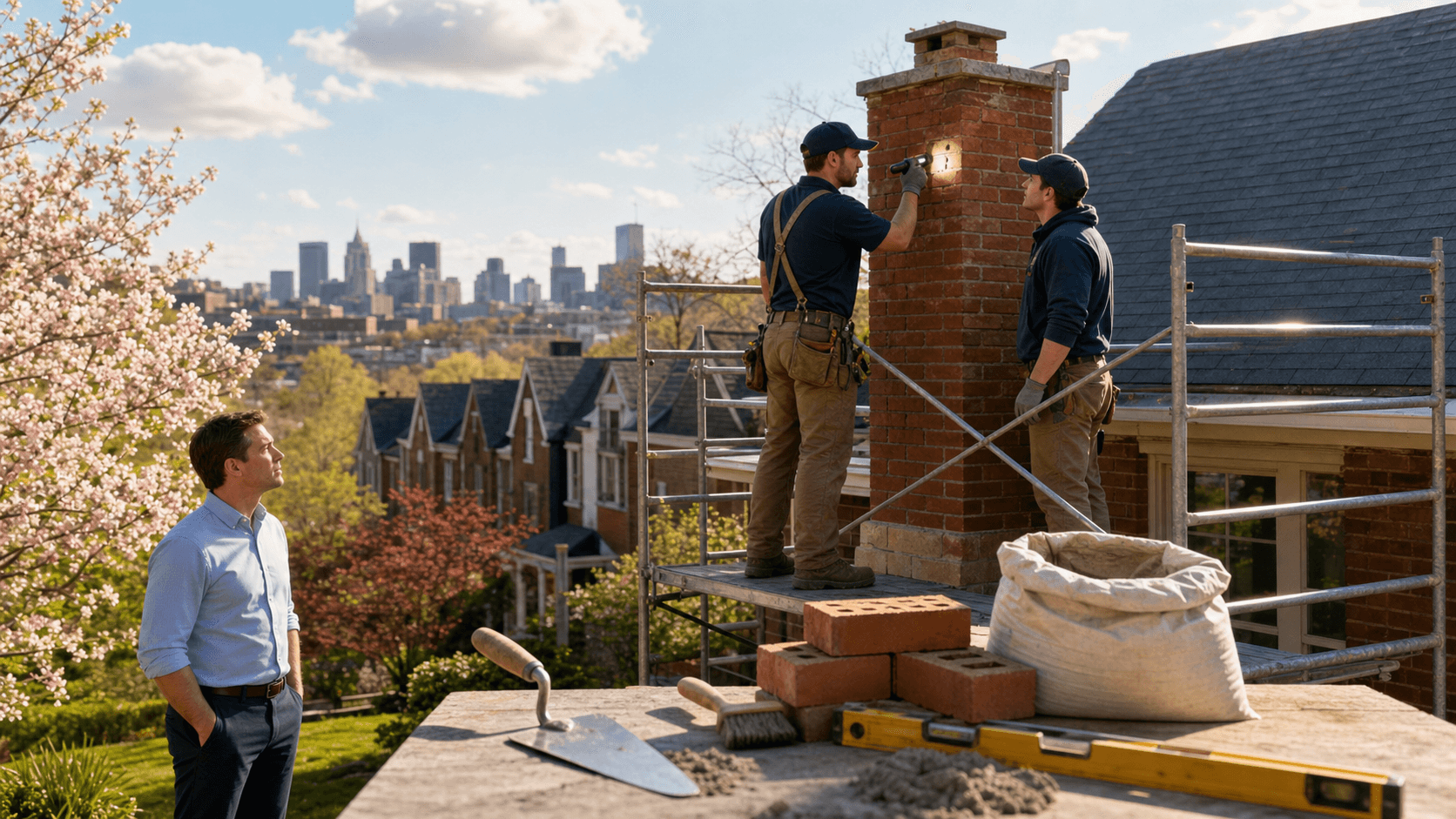
This is why a thorough inspection is so important. A CSIA-certified technician can look at the inside and outside of the chimney, check the liner, the crown, the flashing, and the cap, and help sort out what is cosmetic, what is serious, and what is truly structural.
Do You Really Need a Full Chimney Rebuild?
Not every damaged chimney needs to be taken down to the ground. There are several levels of repair, and they can look very different in scope and cost.
In simple terms:
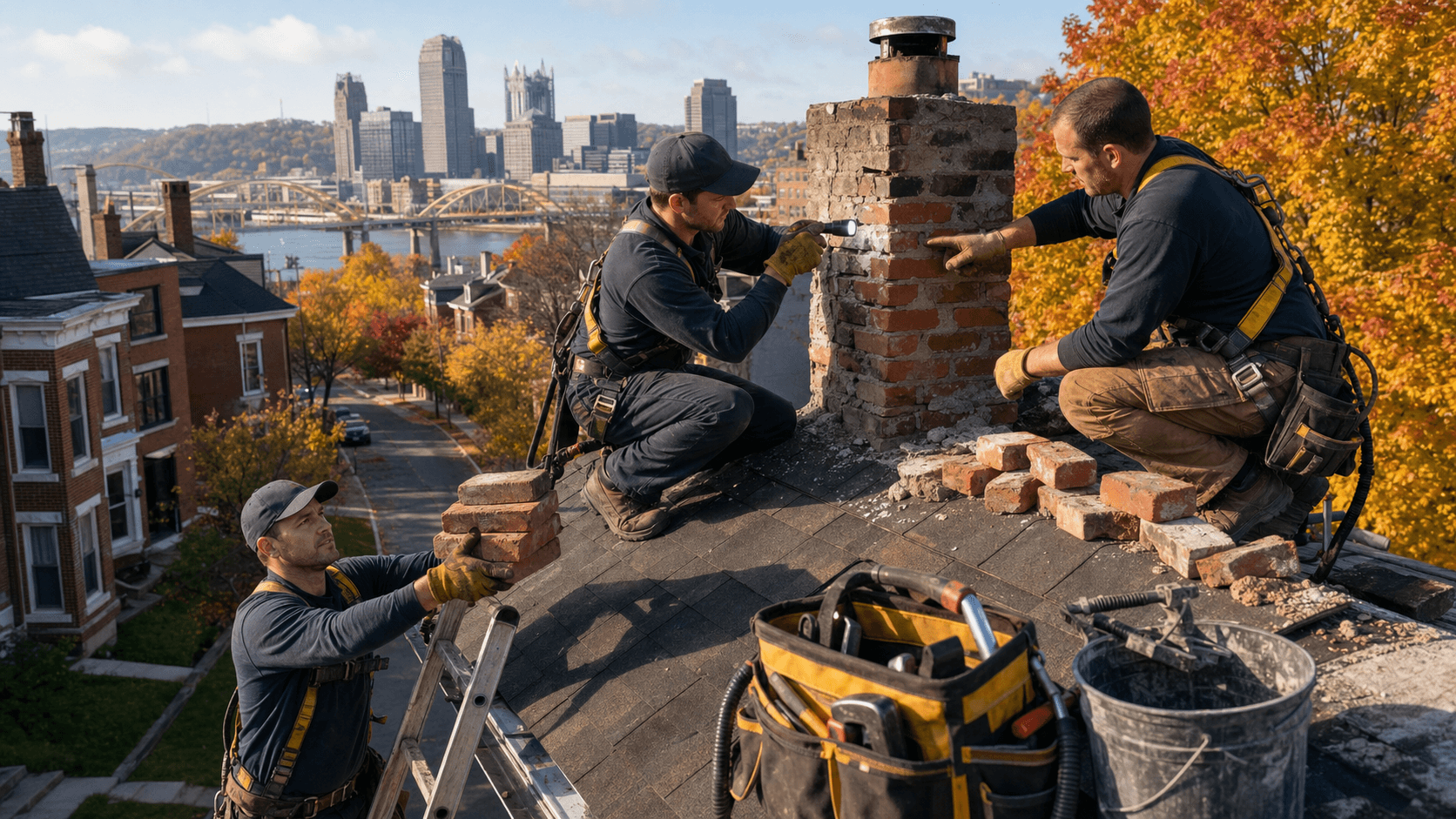
- A complete rebuild usually means taking the brickwork down to a solid point or the foundation and building a new chimney from there.
- A partial rebuild often means rebuilding from the roofline up, leaving the lower section in place.
- Masonry restoration focuses on restoring what is there by repairing joints, replacing bad bricks, and sealing against water.
There are some red flag conditions where a full chimney rebuild in Pittsburgh is usually the safest choice, such as:
- Severe leaning or twisting that suggests the structure is unstable
- Large internal voids or missing sections found during inspection
- Major fire damage inside the chimney or structure
- Long-term water intrusion that has weakened most of the stack
On the other hand, there are many cases where smart repairs can be enough, including:
- Repointing and tuckpointing mortar joints that have cracked or washed out
- Replacing a group of damaged bricks while keeping sound brick in place
- Rebuilding only the crown or top few rows of brick
- Installing a new liner to solve smoke, draft, or safety problems inside the flue
The key is to match the repair to the real level of damage, not to what is easiest to sell.
Smart Alternatives That Can Save Your Chimney
If your flue is cracked, unlined, or not working well, chimney relining can often restore safety without rebuilding the whole structure. Two common options are stainless steel liners and cast-in-place systems. Both create a continuous, code-compliant path for smoke and gases, can improve draft, and help protect nearby materials from heat.
Masonry repairs and upgrades can also stop damage from getting worse. These can include:
- Professional tuckpointing to pack fresh mortar into joints and tighten the structure
- Crown repair or replacement to keep water from soaking into the top of the chimney
- Quality waterproofing products that let the chimney breathe while shedding water
- Proper caps and screens to keep rain, snow, and animals out
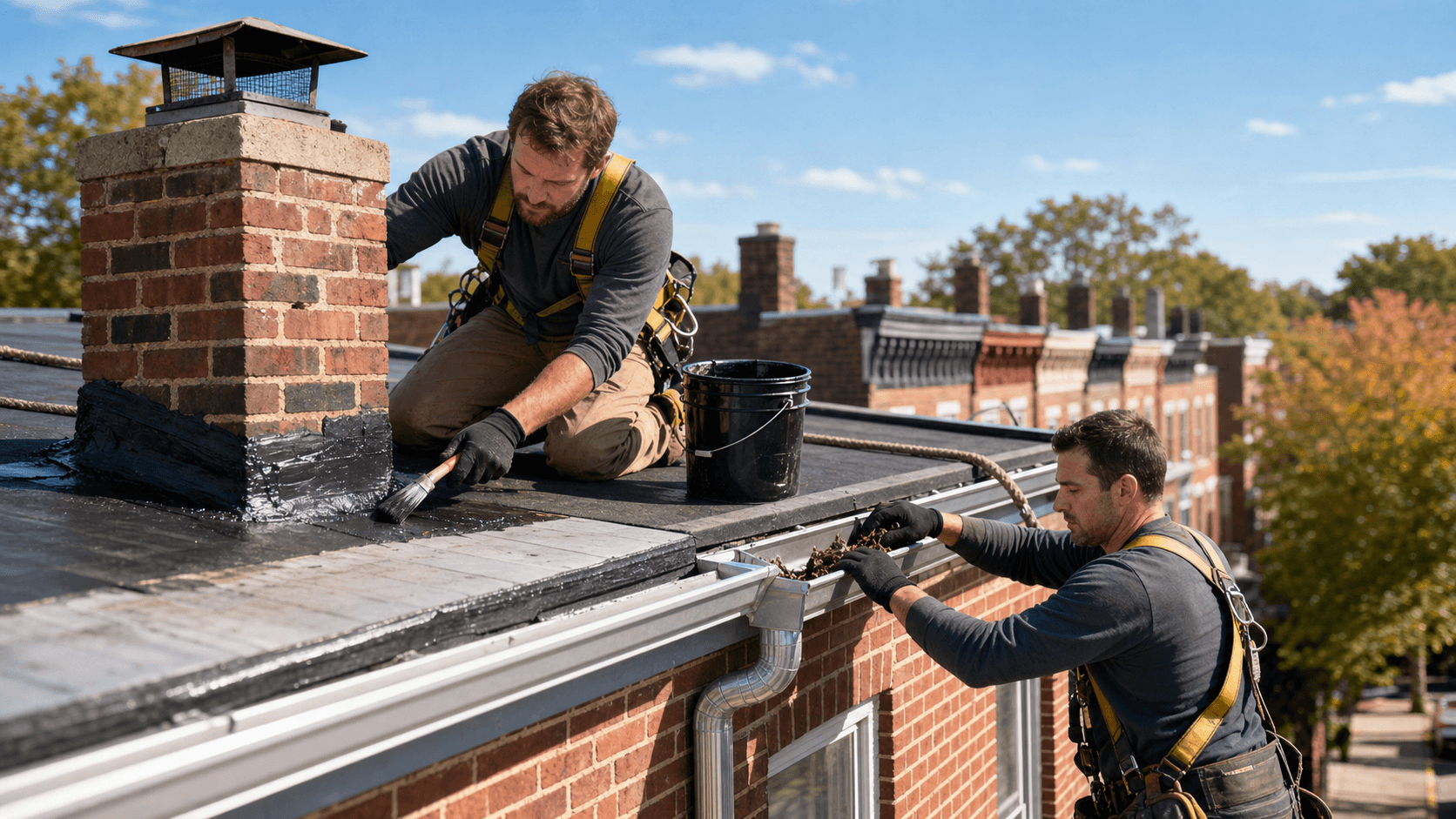
- Correctly installed flashing that seals the base where the chimney meets the roof
None of these are DIY jobs. Done poorly, they can hide problems or trap moisture. Done by a trained, CSIA-certified tech, they can add many safe years to a chimney and help avoid unnecessary rebuilding work.
That is why we always stress a careful inspection first. You want a clear list of what is wrong, why it is happening, and what repair choices will balance safety, building codes, and your budget over the long term.
Seasonal Timing for Pittsburgh Chimney Repairs
Early summer is often a smart time to think about chimney work in our area. The weather is usually drier and warmer, which is better for brick and mortar. Schedules are often more open than during fall, when everyone is getting ready for heating season at the same time.
A summer inspection can uncover hidden post-winter issues such as:
- Fine cracks in the crown from freeze-thaw stress
- Loosened or shifted bricks near the top
- Mortar that has begun to crumble after a wet, icy season
- New stains inside that hint at slow leaks
When planning projects, it helps to sort work into three groups:
- Must be done before the next burn season to stay safe and code-compliant
- Should be done soon to prevent minor damage from turning structural
- Can be phased over time as part of a long-term maintenance plan
Handling chimney repairs on your own timeline, rather than waiting until you want the first fire of the season, can prevent last-minute emergencies and rushed decisions about a full rebuild.
Questions to Ask Before You Approve a Rebuild
Before you agree to a chimney rebuild in Pittsburgh, it pays to ask a few direct questions. Some good ones are:
- Are your technicians CSIA certified?
- Can you show clear photos or video of the internal damage you are concerned about?
- What repair options did you consider besides a full rebuild? Why are they not right here?
- How will this work protect against future water damage and freeze-thaw problems?
- Will the project include flashing, crown work, caps, and waterproofing?
Ask for detailed written estimates that separate labor, materials, liner work, and masonry. This makes it easier to see what is actually being done and where you might have choices.
It is also fair to ask for references and photos of similar jobs on older Pittsburgh brick homes. Local experience matters, because different bricks and mortars age in different ways and our weather is rough on anything left unprotected.
Schedule a Local Inspection Before You Decide
No homeowner should feel pressured into a costly chimney rebuild without clear proof and a full explanation they can understand. A careful, CSIA-certified inspection is the best way to see the true condition of your chimney and to compare rebuild and repair options side by side.
At Chimney Fixers, we focus on chimney cleaning, inspections, repairs, masonry work, and rebuilds for brick homes in and around Pittsburgh. Our goal is to protect your family, keep your chimney safe and working well, and help you keep the look and value of your home. With the right information and the right partner, you can feel confident about whatever choice you make for your chimney.
Get Started With Your Project Today
If your chimney is showing signs of serious wear or structural damage, now is the right time to talk with Chimney Fixers SEO about a safe and lasting solution. Explore examples of our chimney rebuild in Pittsburgh to see the quality and attention to detail we bring to every project. We will walk you through your options, provide a clear estimate, and schedule work at a time that fits your needs. Ready to move forward or have questions about your specific chimney issues? Simply contact us to get started.