Protect Your Home Before Pittsburgh's Next Downpour
Chimney leaks in Pittsburgh tend to show up right when the windows are open, the air feels heavy, and the rain will not quit. All that water has to go somewhere, and if your chimney is not sealed and sound, it can end up inside your home. A small drip today can turn into stained ceilings, damaged walls, and even mold if it is ignored.
When we talk about chimney leak repair in Pittsburgh, we are not just talking about one part. Leaks can come from cracked brick or mortar, loose flashing where the chimney meets the roof, a failing crown at the top, a missing or damaged cap, or gaps around the flue liner. If water can find a path, it will take it.
Our goal here is simple: help you spot problems early and understand how to protect your home before the next big storm rolls in. With a few smart steps and timely repairs, you can avoid surprise damage, protect your indoor air, and keep your chimney ready for the colder months.
Why Rainy Season Punishes Pittsburgh Chimneys
Pittsburgh weather can be rough on chimneys. We get frequent, heavy rain, quick changes in temperature, and long stretches of damp air. That combination is hard on masonry, especially on older brick chimneys that are common around the city and nearby neighborhoods.
Brick and mortar are porous materials. They soak up water like a sponge, then when temperatures drop at night, that trapped water can freeze and expand. Over time, this constant cycle leads to:
- Small cracks that grow larger
- Flakes of brick or mortar popping off the surface
- Gaps along joints where water can sneak inside
All of this shows up in real ways inside the house. Many homeowners see:
- Brown or yellow stains on ceilings or walls near the chimney
- Peeling or bubbling paint around the mantel or chimney chase
- Musty odors that show up after strong storms
That is why a chimney that looked "fine" during dry weather can suddenly cause trouble once the rainy season hits.
Hidden Signs Your Chimney Is Already Leaking
Not every chimney leak shows up as a steady drip of water in the fireplace. Most start small and quiet. If you know what to look for, you can catch the problem before it causes bigger damage.
Indoors, pay attention to:
- New yellow, brown, or gray spots on ceilings or walls close to the chimney
- Paint or wallpaper that is bubbling, peeling, or soft to the touch
- A damp, earthy, or musty smell around the fireplace, even when it has not been used
- Rust on the damper, firebox, or metal fireplace doors
Outside, walk around your home and scan the chimney from the ground. Signs of trouble include:
- Crumbling or missing mortar between bricks
- Bricks that are cracked, flaking, or falling apart
- Moss, algae, or dark streaks on the chimney surface
- A chimney crown that is cracked, broken, or looks washed away
- Rust streaks below metal parts, such as chase covers or caps
Catching these clues early in the rainy season can help prevent water from soaking roof framing, rotting sheathing, or damaging your plaster and drywall. The sooner a leak is found, the easier it usually is to fix.
Key Causes of Chimney Leaks in Pittsburgh Homes
In our area, we see the same main leak sources again and again. Knowing them helps you understand why a full inspection matters.
Common trouble spots include:
- Failed flashing where the chimney meets the roof, which lets rain run under shingles
- Cracked or poorly built chimney crowns that pool water instead of shedding it
- Missing, undersized, or damaged chimney caps that let rain fall straight down the flue
- Worn-out or open mortar joints that let water soak in from the sides
Inside the chimney, liners can also be part of the problem. Older liners or gaps around a liner can give water a hidden pathway to travel. It may not drip right into the firebox. Instead, it can run behind walls, into the attic, or into framing where you cannot see it until the damage is advanced.
DIY work on roofs or siding can cause issues too. Nailing into flashing, tucking new siding tight to the chimney, or smearing the wrong sealant in the wrong place can all break the chimney's water defenses. Because water can follow odd paths, it often takes a CSIA-certified technician to track the true source.
How Professional Chimney Leak Repair Works
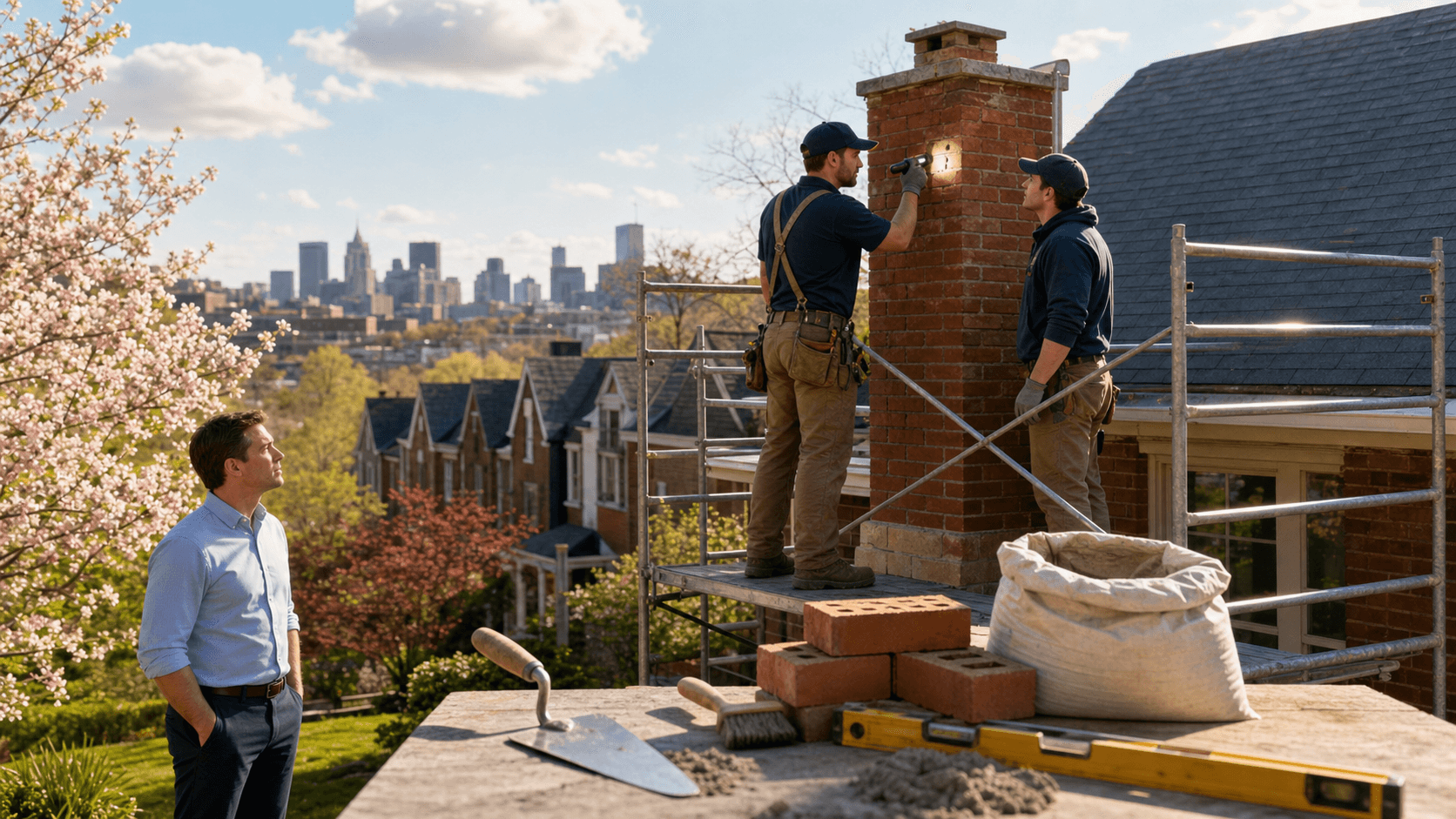
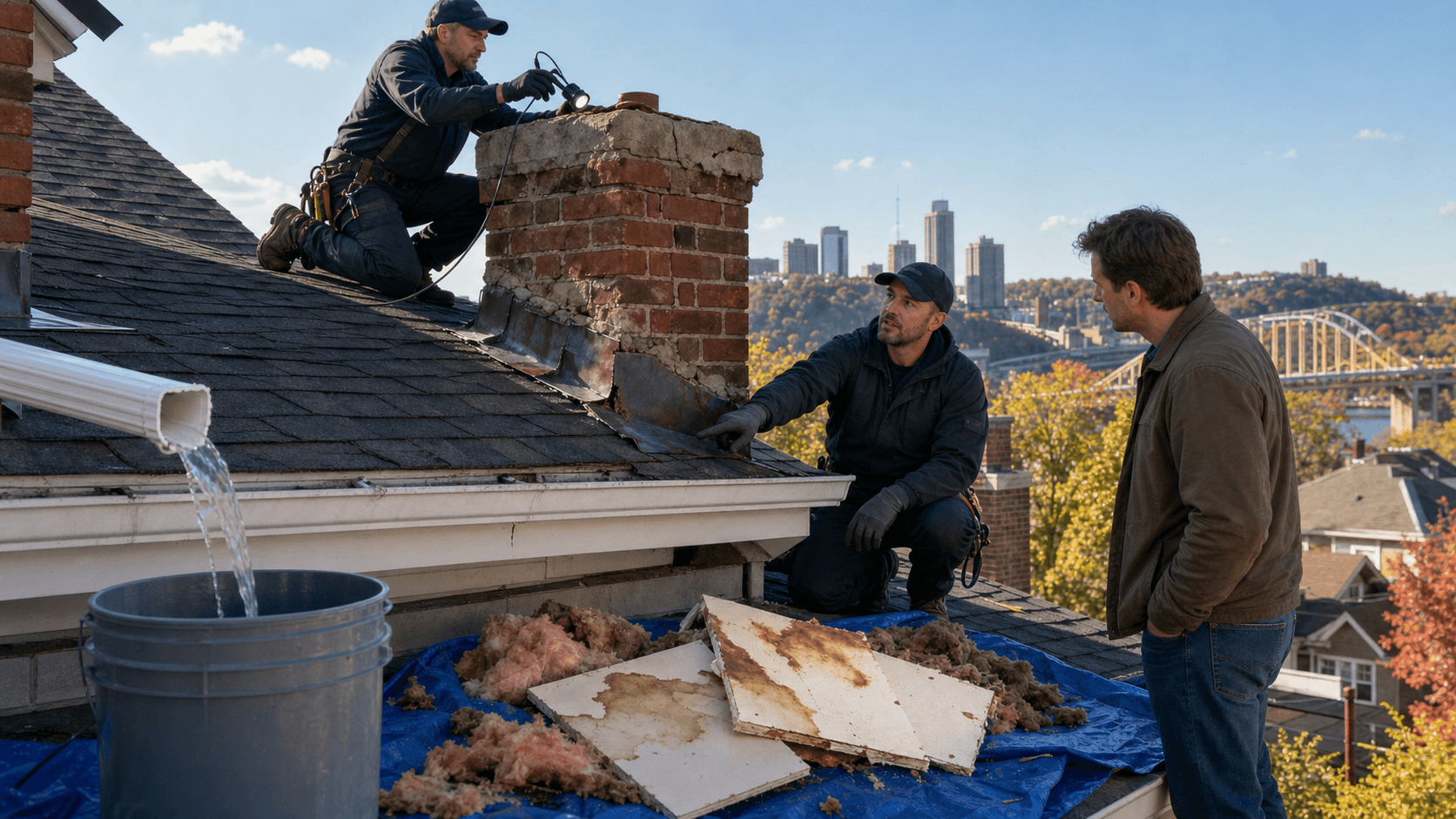
A proper chimney leak repair visit is more than a quick look from the ladder. We start with a full visual inspection inside and out, checking masonry, flashing, crown, cap, and any visible liner. We look for staining, rust, and other signs that show where water has been traveling.
When needed, we may use moisture mapping tools or a chimney camera to see deeper into the system. This helps us find the real entry points instead of just treating the symptom. Once we know what is going on, we can match the fix to the problem.
Typical chimney leak repair in Pittsburgh might involve:
- Repointing mortar joints, removing loose mortar and packing in fresh material
- Repairing or rebuilding a damaged crown so water sheds away from the brick
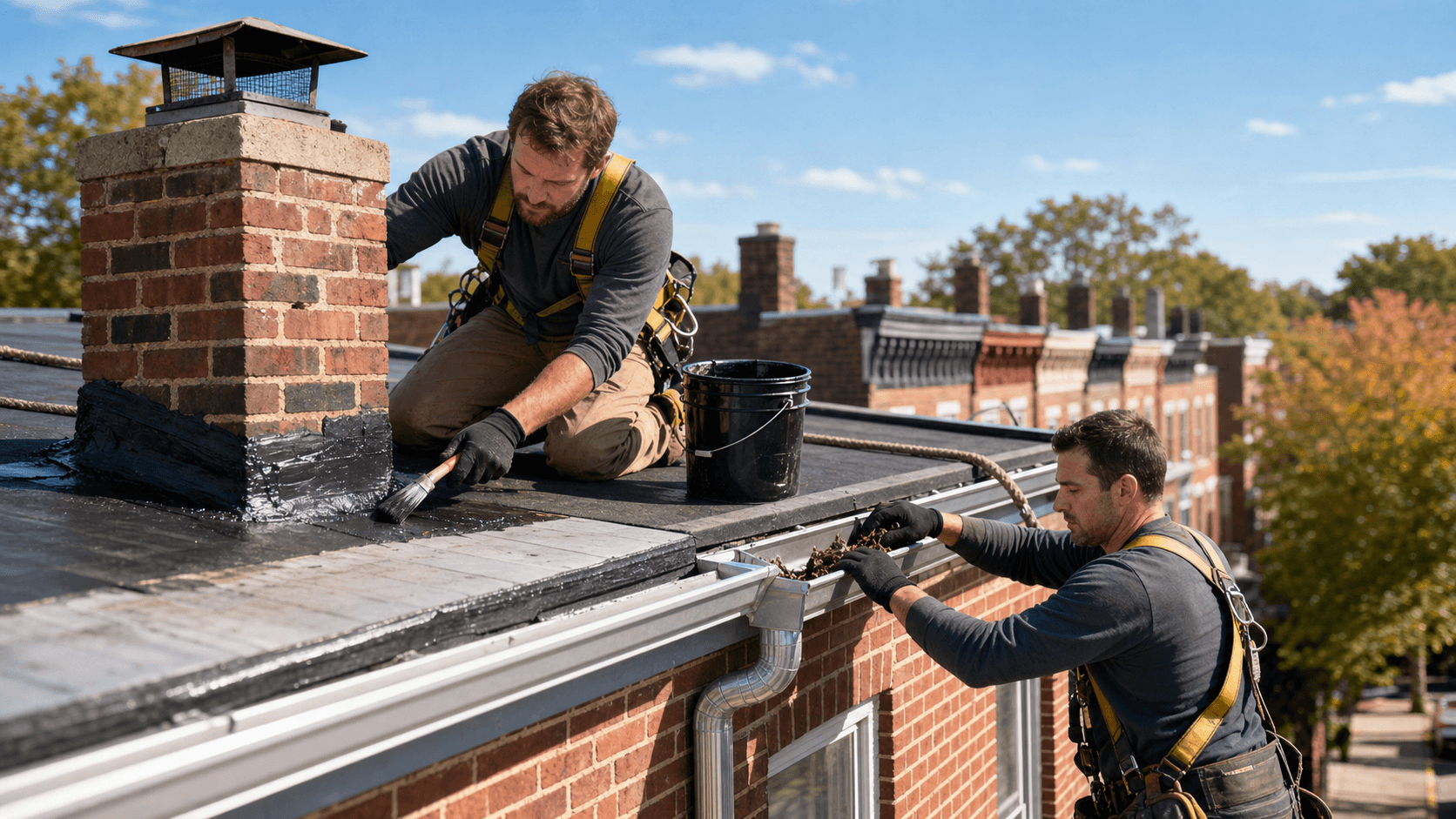
- Replacing or properly sealing flashing where the chimney meets the roof
- Applying a breathable masonry waterproofing product suited for freeze-thaw weather
- Installing or upgrading a chimney cap to keep rain, animals, and debris out
Safety matters here. Working on a chimney involves ladders, steep roofs, and heavy materials. We use proper equipment, safe access, and products that are designed for our climate. We also check that liners and clearances meet current code, so your chimney is not just dry, but also ready for safe use.
Seasonal Steps You Can Take Before Heavy Rains Hit
There are simple things a homeowner can do as the rainy season approaches. These do not replace professional care, but they help you spot trouble early.
Use this quick checklist before storms become a daily pattern:
- Look at your chimney from the yard, checking for leaning, cracks, or missing bricks
- After a heavy rain, check ceilings and walls near the chimney for new spots
- Open the damper and look for rust, staining, or signs of moisture
- Sniff for musty odors around the fireplace a day or two after strong storms
- Make sure gutters and downspouts near the chimney are clear and flowing well
It is important to stay on the ground and keep yourself safe. Leave roof walking, patching, and any type of sealant or mortar work to trained pros. Quick DIY fixes can trap moisture in the masonry, which often makes the problem worse.
Timing matters too. Many homeowners wait until the first cool nights of fall to think about their chimney, but by then leaks may have been active all summer. Planning inspections and any needed chimney leak repair in Pittsburgh around mid to late spring or early summer often means faster service and less damage to repair.
Why Early Leak Repair Pays Off
Taking chimney leaks seriously at the first sign of trouble protects more than just the brick stack. It helps guard your roof system, wood framing, insulation, and interior finishes from slow, hidden water damage. It also keeps your fireplace or stove ready for safe use when cold weather comes back.
A dry, well-maintained chimney is less likely to shed debris, rust, or flaking material into your fireplace and living space. That means better air quality indoors and more peace of mind when you use your heating system. For many Pittsburgh homeowners, a careful inspection and timely repairs turn a leaky, stressful chimney into a solid part of the home again, ready for whatever the next storm brings.
Get Started With Your Project Today
If you are seeing stains, dampness, or musty odors around your fireplace, now is the time to schedule professional chimney leak repair in Pittsburgh. At Chimney Fixers SEO, we carefully inspect, diagnose, and resolve the source of water intrusion so your home stays protected long term. Reach out today and we will walk you through your options, timing, and pricing in clear, straightforward terms. To schedule an appointment or ask questions, simply contact us.