Protect Your Wood Stove Investment with the Right Liner
Adding a wood stove is a smart way to cut heating costs and bring some extra warmth to your Pittsburgh home. But if the chimney liner is wrong, damaged, or missing, that new stove can turn from a comfort upgrade into a safety problem. The liner is what allows the stove to vent safely and work the way the manufacturer intended.
A properly sized and installed liner helps your stove draft better, burn cleaner, and send smoke and gases safely outdoors. It also shields the masonry from high heat and acidic byproducts that can eat away at the brick and mortar over time. For many homes in and around Pittsburgh, that liner is just as important as the stove itself.
In this article, we will walk through how chimney liners work with wood stoves, how sizing and insulation affect performance, the code and clearance basics, and when it might be time to consider chimney liner repair in Pittsburgh before the next heating season starts.
How Chimney Liners Work with Wood Stoves
A chimney liner is the inner passage inside your chimney that carries smoke, gases, and small particles from the stove to the outside air. Think of it as the stove's exhaust system. Instead of exhaust running through bare brick, it moves through a protected, continuous tube from the stove collar up to the top of the chimney.
Common liner materials for wood stoves include:
- Stainless steel flexible liners
- Stainless steel rigid liners
- Older clay tile liners built into the chimney
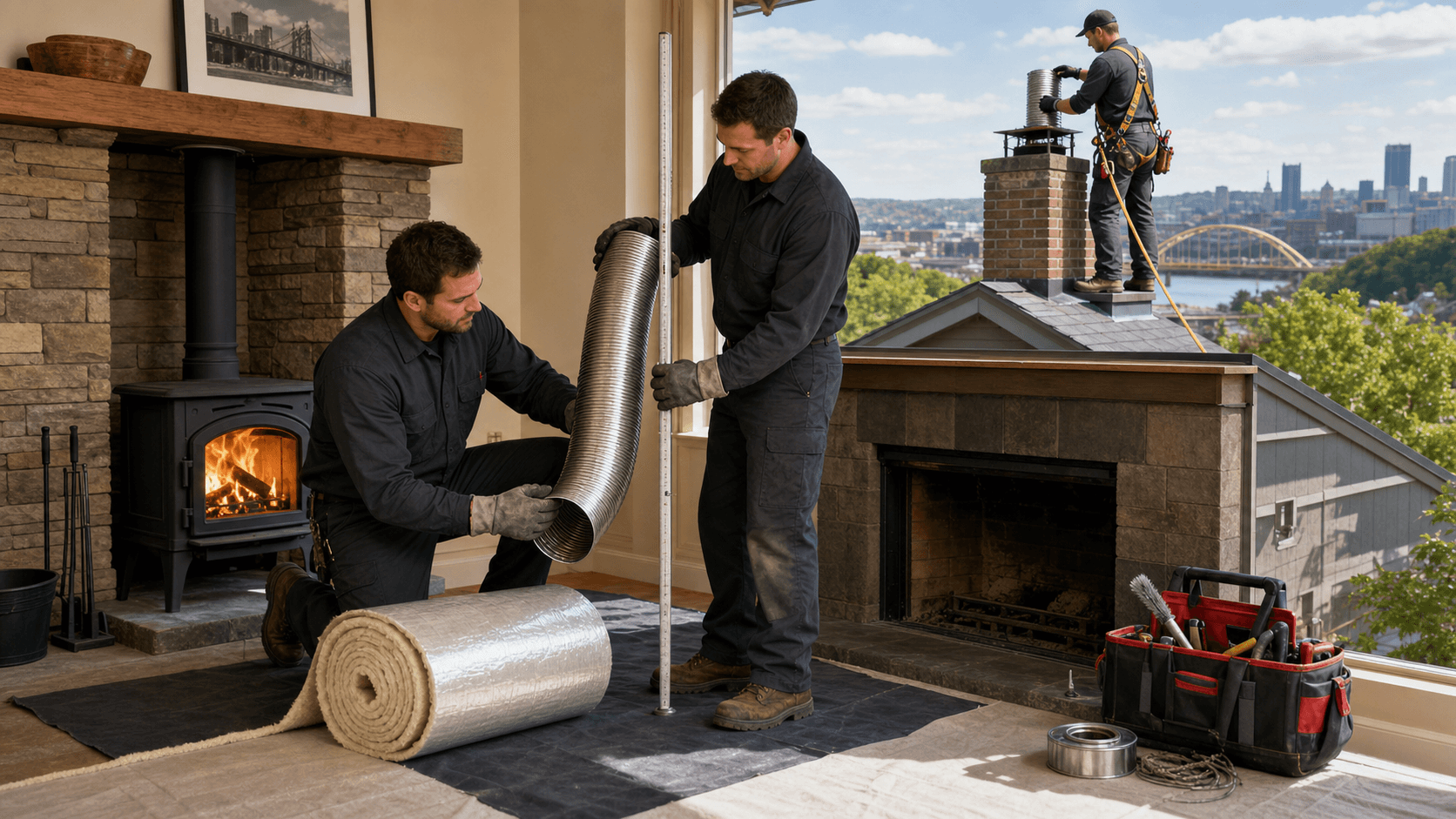
Stainless steel is usually preferred when adding or upgrading a wood stove because it is smooth, continuous, and can be sized to match the stove. Flex liners are helpful in chimneys with offsets or bends. Rigid sections can work well in straight chimneys with enough room.
When a chimney is unlined or the liner is cracked, rusted, or missing sections, several problems can show up, especially in older brick homes and row houses around Pittsburgh:
- Overheating of the masonry and nearby wood framing
- Increased risk of chimney fires from creosote catching in gaps or rough areas
- Smoke spillage back into the home
- Higher risk of carbon monoxide entering living spaces
A sound liner gives smoke a smooth, direct path out of the home and keeps high heat away from framing, attic spaces, and walls.
Sizing Your Liner for Safe, Efficient Draft
Liner size is not guesswork. It is closely tied to the size of the wood stove's flue collar and the manufacturer's installation instructions. In most cases, the liner diameter should match the stove's flue collar size. Going bigger is not always better, and going smaller can be dangerous.
If the liner is oversized, you may see:
- Sluggish draft, especially on mild or damp days
- More smoke hanging in the firebox or rolling out when you open the door
- Heavy creosote buildup as cooler gases condense on the liner walls
If the liner is undersized, problems can include:
- Back-puffing, where smoke puffs out into the room
- Difficulty starting and maintaining a steady fire
- Overheating of the liner because too much heat is crammed into a small space
Height and chimney layout also matter. Many Pittsburgh homes have shorter chimneys, sidewall chimneys, or multiple offsets where the chimney steps around framing. All of this affects draft. A CSIA-certified technician can measure:
- The stove's flue collar size
- The total chimney height
- The number and angle of offsets
- The existing clay tile or masonry dimensions
This helps confirm what liner size and style will draft well while still meeting code and manufacturer rules.
Insulation Choices for Pittsburgh's Cold Winters
Cold weather is a big reason liner insulation matters in western Pennsylvania. When the liner is surrounded by cold brick, especially in an exterior chimney or unheated attic, flue gases cool down quickly. That can lead to sluggish draft, hard startups, and more creosote sticking to the liner.
Insulating a stainless steel liner helps by:
- Holding heat in the flue for stronger draft
- Reducing cool-down between fires
- Helping creosote stay lighter and less sticky
Common insulation options include:
- Wrap insulation, where a blanket is wrapped around the liner before it is lowered
- Poured or blown-in insulation, which fills the gap between the liner and the masonry
Wrap insulation works well when there is enough space for the liner plus insulation and when the chimney is fairly straight. Poured or blown-in insulation can be helpful in chimneys with odd shapes or where more complete filling is needed.
Homes with exterior chimneys, exposed masonry, or chimneys running through unheated attics are especially prone to cold flues and condensation. In those cases, a properly insulated liner and any needed chimney liner repair in Pittsburgh should be handled before late fall so the system is ready when temperatures drop.
Code, Clearances, and Pittsburgh Permit Basics
Wood stoves and liners are not just about comfort. They must follow safety codes. Two major references are NFPA 211 and the International Residential Code. These set standards for:
- Acceptable liner materials for solid fuel appliances
- How liners connect to the stove and to the chimney top
- Minimum and maximum liner sizes for certain appliances
- Chimney termination height above the roof
Clearance to combustibles is another big topic. Wood framing, trim, and other combustibles must be kept a safe distance from the hot inner parts of the chimney. When an older masonry chimney is too close to wood framing, a listed, insulated liner system can help meet those clearance rules by reducing outer wall temperatures.
Local rules around permits and inspections can vary by municipality in the Pittsburgh area. Some areas may require:
- A permit for adding or changing a wood stove
- An inspection when relining a chimney for a new appliance
- Documentation for home insurance when a new stove and liner are installed
Working with a CSIA-certified sweep who knows the local codes and inspection habits can help keep your wood stove setup safe and code-compliant.
When to Replace or Repair an Existing Liner
Not every chimney is ready for a wood stove as-is. Some liners have simply aged out or were never a good match for a stove in the first place. Warning signs that a liner may need repair or replacement include:
- Visible cracks or missing pieces in clay tiles
- Rust flakes, metal pieces, or odd debris in the firebox or cleanout
- Persistent smoke spillage, even with dry wood and proper operation
- Rapid, thick creosote buildup after only a few fires
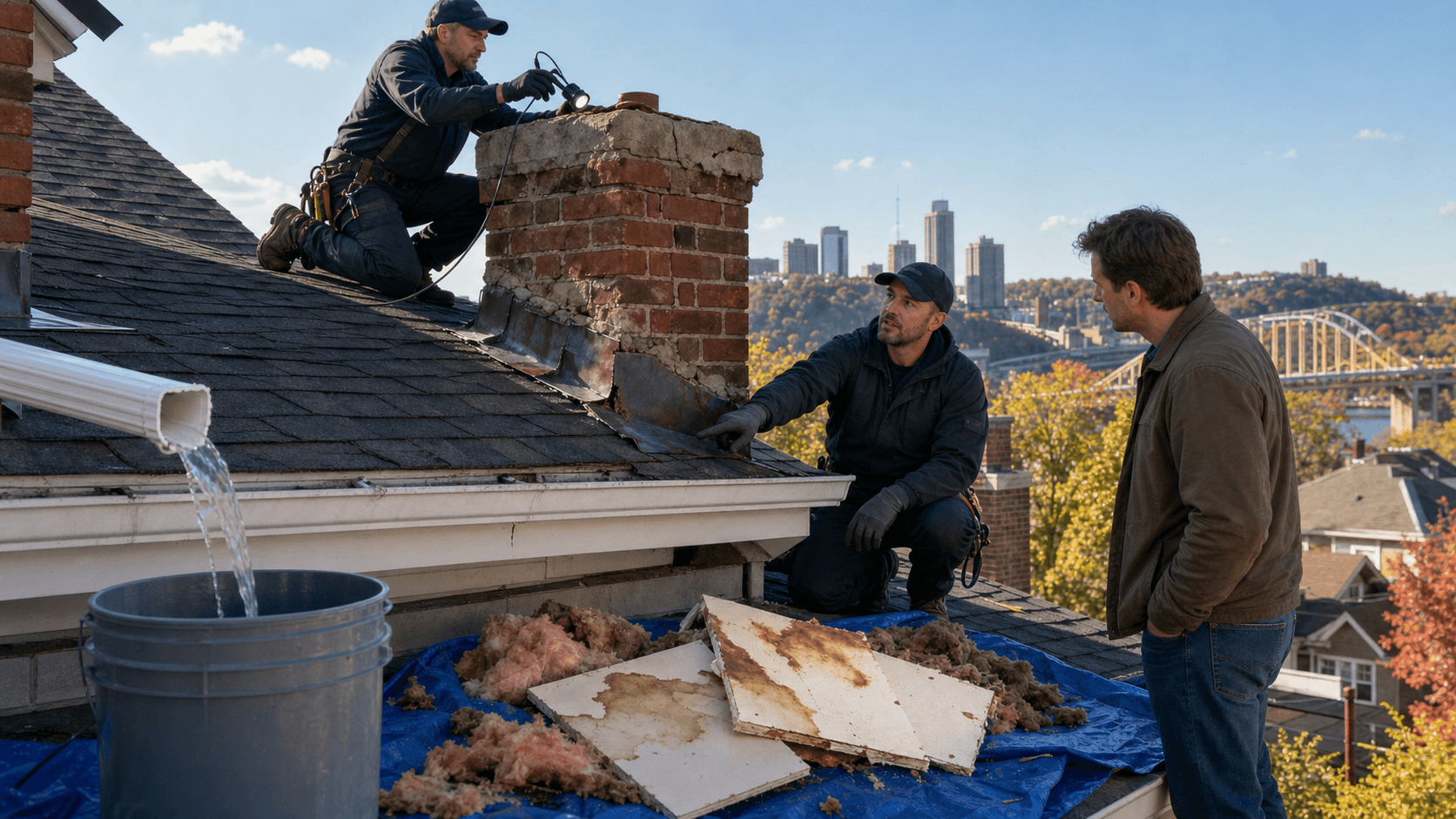
Professional camera inspections are a key tool here. A technician can run a camera up the flue to see hidden cracks, gaps at joints, rust-through spots, or places where tiles have shifted. Based on what they find, options might include:
- Installing a new stainless steel liner inside a damaged clay flue
- Partial repair where limited damage is present and allowed by code
- Full relining when the existing system is not safe for a wood stove
Timely chimney liner repair in Pittsburgh can help prevent chimney fires, serious masonry damage, and smoke or carbon monoxide issues. In many cases, solving liner problems early is far easier than dealing with a failing chimney structure later on.
Schedule Your Liner Evaluation Before Heating Season
The best time to think about wood stoves and liners is long before you need that first fire. Summer and early fall give enough time for inspection, planning, and any needed chimney liner repair in Pittsburgh without rushing. That means your stove is ready to go as soon as colder nights arrive.
At Chimney Fixers SEO, we are a family-owned, CSIA-certified chimney sweeping and repair company serving Pittsburgh and the greater Pittsburgh area. We handle chimney inspections, stainless steel liners, masonry work, and leak repairs so the whole system works together safely. If you are adding a new wood stove or upgrading an older one, a proper liner is one of the best ways to protect your home, your investment, and your peace of mind.
Restore Your Chimney's Safety And Efficiency Today
If you are seeing cracks, drafts, or performance issues, now is the time to schedule professional chimney liner repair in Pittsburgh. At Chimney Fixers SEO, we carefully assess your liner, explain what we find in plain language, and complete repairs that protect your home and family. Reach out so we can review your situation, recommend the right solution, and get your chimney working safely again. If you are ready to book an appointment or ask questions, simply contact us.