Protect Your Home with the Right Chimney Mason
A damaged chimney is not just an ugly spot on your roof. Cracked bricks, loose mortar, and a failing crown can let water in, weaken the structure, and create fire and carbon monoxide risks. In a city full of older homes like Pittsburgh, a worn chimney can turn into big safety and leak problems if it is ignored.
Choosing the right masonry contractor in Pittsburgh is about a lot more than grabbing the lowest quote. You are trusting someone to work high above your home, near your roof and fireplace, where mistakes can cause serious damage. The goal is to get chimney masonry that is safe, long-lasting, and built for our weather.
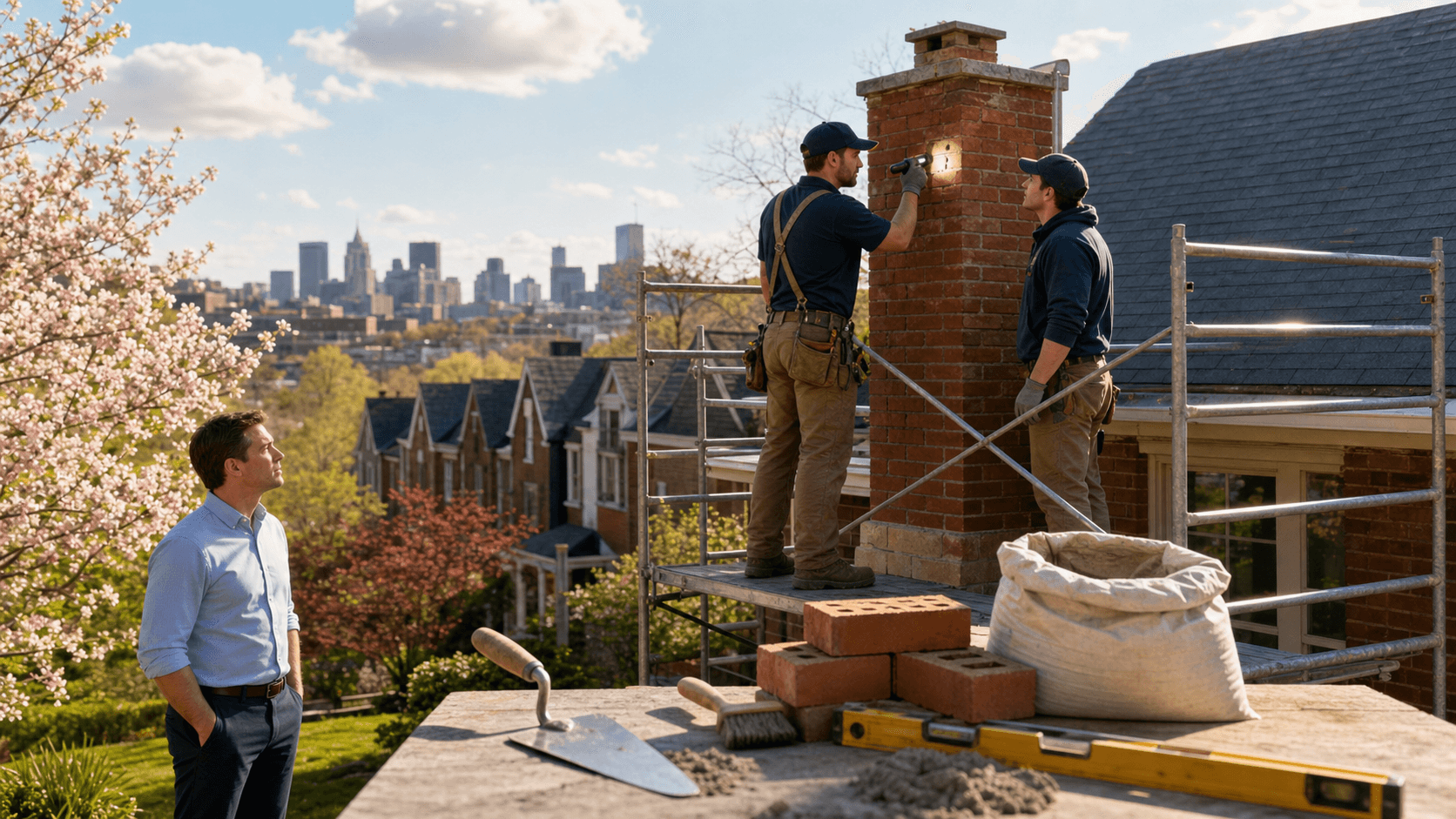
Late spring and early summer are usually the best times to plan chimney masonry work. Mortar and crowns cure better in warmer, drier weather, and you get repairs finished before you need the fireplace or furnace again. As a local, family-owned, CSIA-certified chimney company, we at Chimney Fixers focus on helping homeowners understand what to look for so they can choose the right pro, whether that is us or another qualified contractor.
Why Chimney Masonry Fails in Pittsburgh's Climate
Pittsburgh weather is tough on chimneys. We see all four seasons, and your masonry feels every change. That constant stress is one of the main reasons chimneys start to break down.
Common causes of chimney damage in Western Pennsylvania include:
- Freeze-thaw cycles that push water into tiny cracks, then expand when it freezes
- Heavy snow and ice that sit on crowns and shoulders
- Wind-driven rain that gets into weak mortar joints and flashing
- Older brick or stone that was never designed for today's heating use
Homeowners often notice warning signs like:
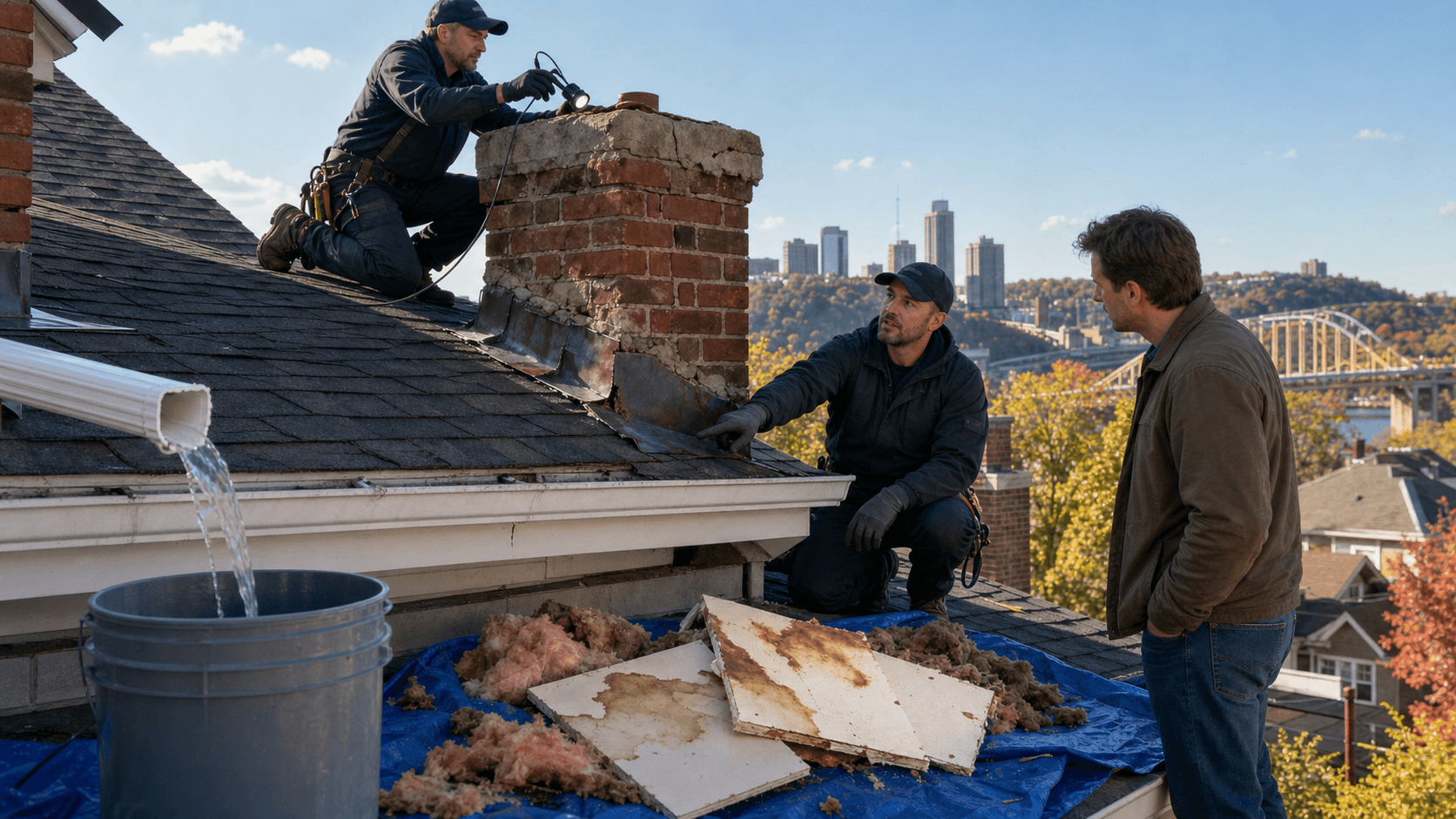
- Cracked, loose, or flaking (spalling) bricks
- Mortar joints that are crumbling, missing, or deeply recessed
- A chimney that looks like it is leaning or pulling away from the house
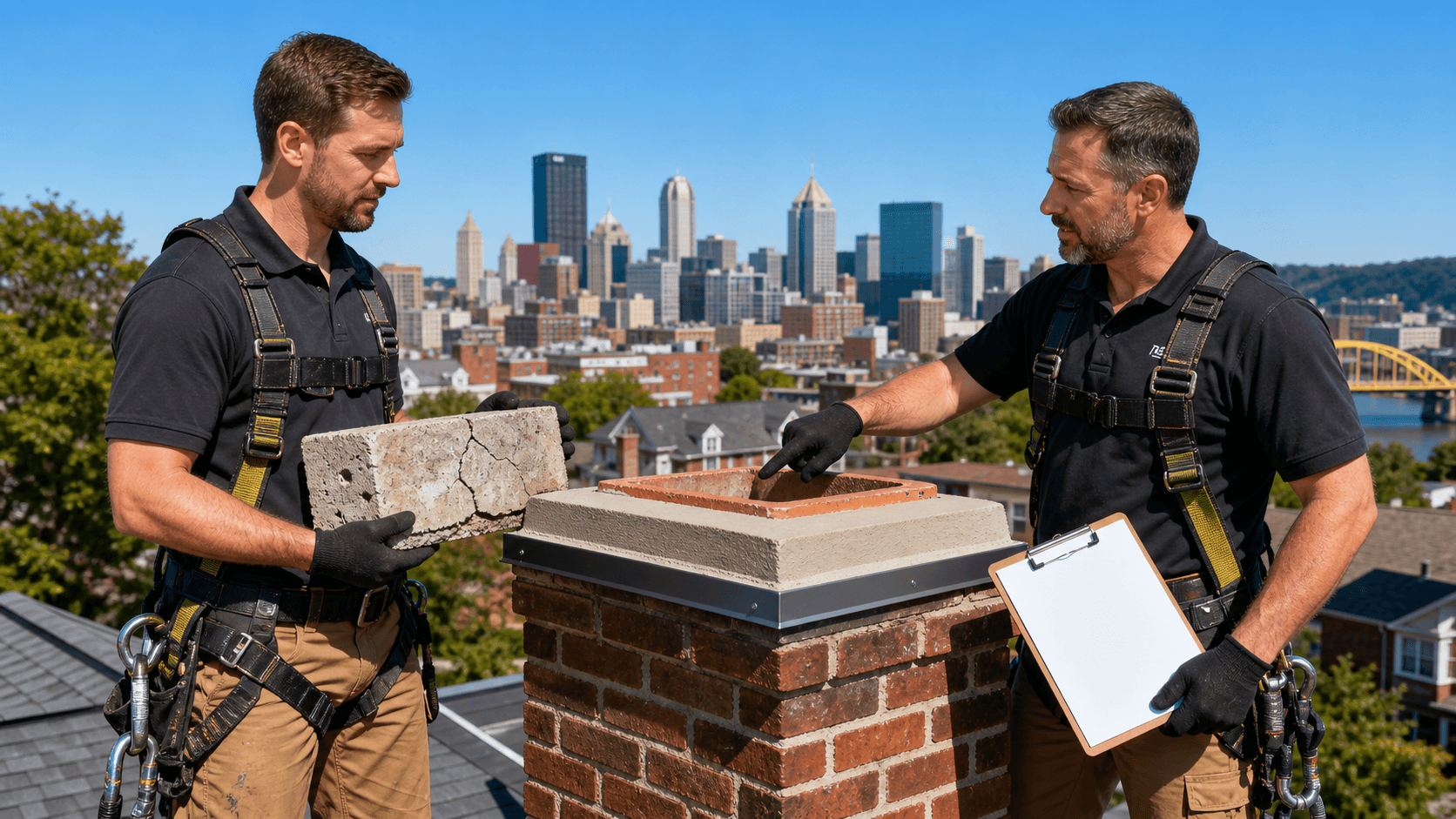
- Cracks on the chimney crown or pieces of cement breaking off
- Brown stains, peeling paint, or damp walls near the fireplace or chimney
All of these point to more than just looks. They affect safety and performance. Loose bricks can fall and hurt people or damage your roof. Water can get into the flue, rust metal parts, or damage the liner. If masonry shifts, it can pinch or misalign the flue, which may lead to poor draft, smoke backup, and a higher chance of chimney fires or carbon monoxide leaks. Catching and repairing these issues early keeps your system working the way it should.
Non-Negotiable Credentials for a Masonry Contractor
When you are picking a masonry contractor in Pittsburgh for chimney work, certain credentials should never be optional. Chimney masonry is not the same as building a garden wall or a patio.
One of the most important things to look for is CSIA certification. CSIA stands for Chimney Safety Institute of America. A CSIA-certified technician has training in:
- Chimney construction and materials
- Fire safety and clearances
- Draft, venting, and flue design
- Inspection standards and codes
That knowledge, combined with masonry skill, helps make sure the repair not only looks good but also works safely with your heating system.
You should also look for proper licensing and insurance. In Pittsburgh and across Pennsylvania, a professional contractor should carry:
- General liability insurance
- Workers' compensation for employees
- Any required local registration or licensing
Ask to see proof. Insurance helps protect you if someone gets hurt on your property or if there is damage during the job.
Local references and a solid portfolio matter as well. A good chimney mason should be able to show you:
- Before-and-after photos of chimney rebuilds and partial rebuilds
- Repointing work where joints are neatly filled, not smeared over bricks
- Crowns that are properly shaped and overhang the chimney sides
- Flashing repairs that tie cleanly into the roof
If possible, ask for addresses of completed jobs in neighborhoods similar to yours so you can do a quick drive-by and see the work in place.
How to Compare Masonry Quotes Without Getting Burned
Not all quotes are equal, even if the price looks similar. The details inside the estimate tell you a lot about the contractor.
A clear scope should spell out things like:
- Type of brick or stone being used and whether it will match your home
- Mortar type and color
- Liner material and size if a relining is needed
- Crown design, including thickness, overhang, and drip edges
- Flashing type and how it will tie into your roof system
- Whether scaffolding, lifts, or roof protection will be used
If you only get a one-line, lump-sum price, that is a warning sign. You want written details, including the planned start and projected completion time. A contractor who avoids written agreements, gives an oddly low price compared to others, or refuses to answer basic questions is one you should think twice about.
Warranty and follow-up matter just as much as the initial job. A strong chimney masonry quote should include:
- A written workmanship warranty
- Manufacturer warranties on liners, caps, or other components
- Clear steps for what happens if you see leaks after a heavy rain or notice an issue after the first winter
This tells you the contractor plans to stand behind their work, not vanish after the last brick is laid.
Finding the Best Masonry Contractor in Pittsburgh for Chimneys
When you search for a masonry contractor in Pittsburgh, focus on chimney work, not just general brick repair. Chimneys are part of your home's heating and venting system, so you want someone who understands both structure and fire safety.
Look for chimney-specific expertise, such as:
- Routine chimney sweeping and cleaning
- Level 1 and Level 2 chimney inspections
- Chimney liner installation and repair
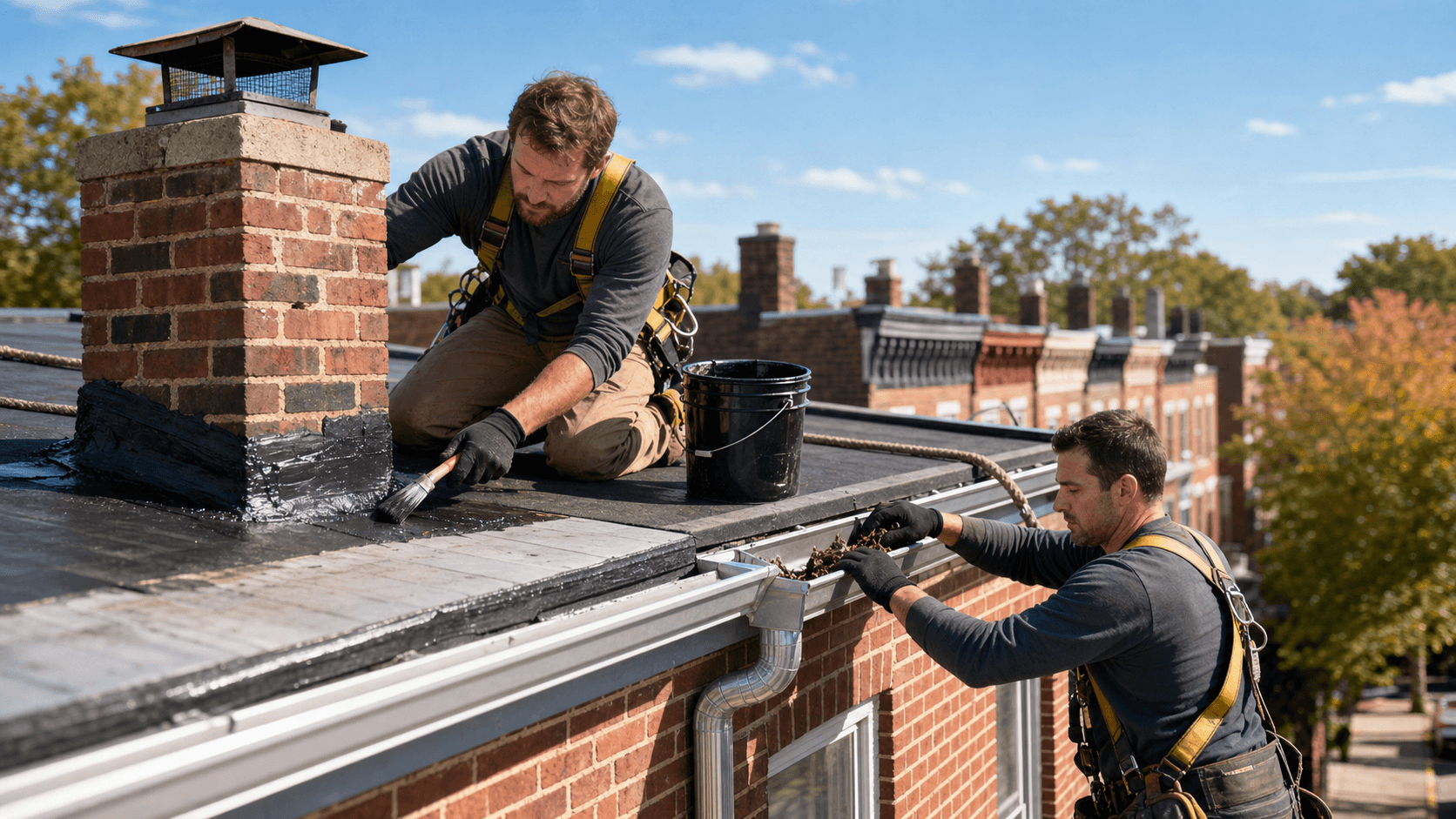
- Masonry repairs like crowns, caps, and repointing
A contractor who also handles sweeping and inspections sees the inside of chimneys every day. They know how masonry choices affect draft, smoke movement, and the way your fireplace or furnace vents.
Neighborhood knowledge is another plus. A local contractor who works around Pittsburgh will be familiar with:
- Older brick row houses with narrow, tall chimneys
- Bigger stone or brick chimneys in traditional city neighborhoods
- Newer suburban builds with factory-built fireplaces and short masonry stacks
That experience speeds up diagnosis and planning. They are more likely to know which materials hold up best on hillsides, river valleys, and other micro-climates around the city.
Seasonal Strategy to Schedule Chimney Masonry Before Fall
Timing your chimney work makes a real difference. Late spring and summer usually provide the best mix of temperature and dryness for masonry. Mortar and crowns cure more evenly, tar-based products have time to set, and there is less risk of weather delays.
Pairing a summer inspection with needed masonry repair helps catch hidden problems like:
- Gaps or cracks in the chimney liner
- Flashing that has lifted or rusted where the chimney meets the roof
- Crown deterioration that has not yet shown up as a ceiling stain
A simple seasonal checklist many homeowners follow around June looks like this:
- Book a professional chimney inspection
- Review the report and note any masonry or liner concerns
- Gather detailed estimates from qualified, insured contractors
- Check references and photos, then pick your contractor
- Get masonry repairs finished before early fall
By planning ahead, you are less likely to end up with emergency leak calls during the first cold snap, when schedules are tighter and the weather is less friendly for masonry work.
Take the Next Step Toward a Safer, Drier Chimney
Choosing a masonry contractor in Pittsburgh for chimney repair comes down to a few key points: proven credentials like CSIA certification, real chimney experience, detailed written estimates, and a strong local track record. When those pieces are in place, you can feel better about the work happening on top of your home.
At Chimney Fixers, we see every day how early, professional chimney masonry repair helps prevent bigger water issues, protects your heating system, and keeps families safer. Acting before leaks, stains, or loose bricks appear almost always costs less and brings more peace of mind than waiting until problems grow.
Get Started With Your Project Today
If you are ready to repair or upgrade your brick, stone, or chimney work, our team at Chimney Fixers SEO is here to help. See what a trusted masonry contractor in Pittsburgh can do for your home, from detailed repairs to full restorations. We take the time to understand your goals, explain your options, and deliver work that stands up to Pittsburgh weather. Have questions or want to schedule an estimate? Simply contact us to get started.