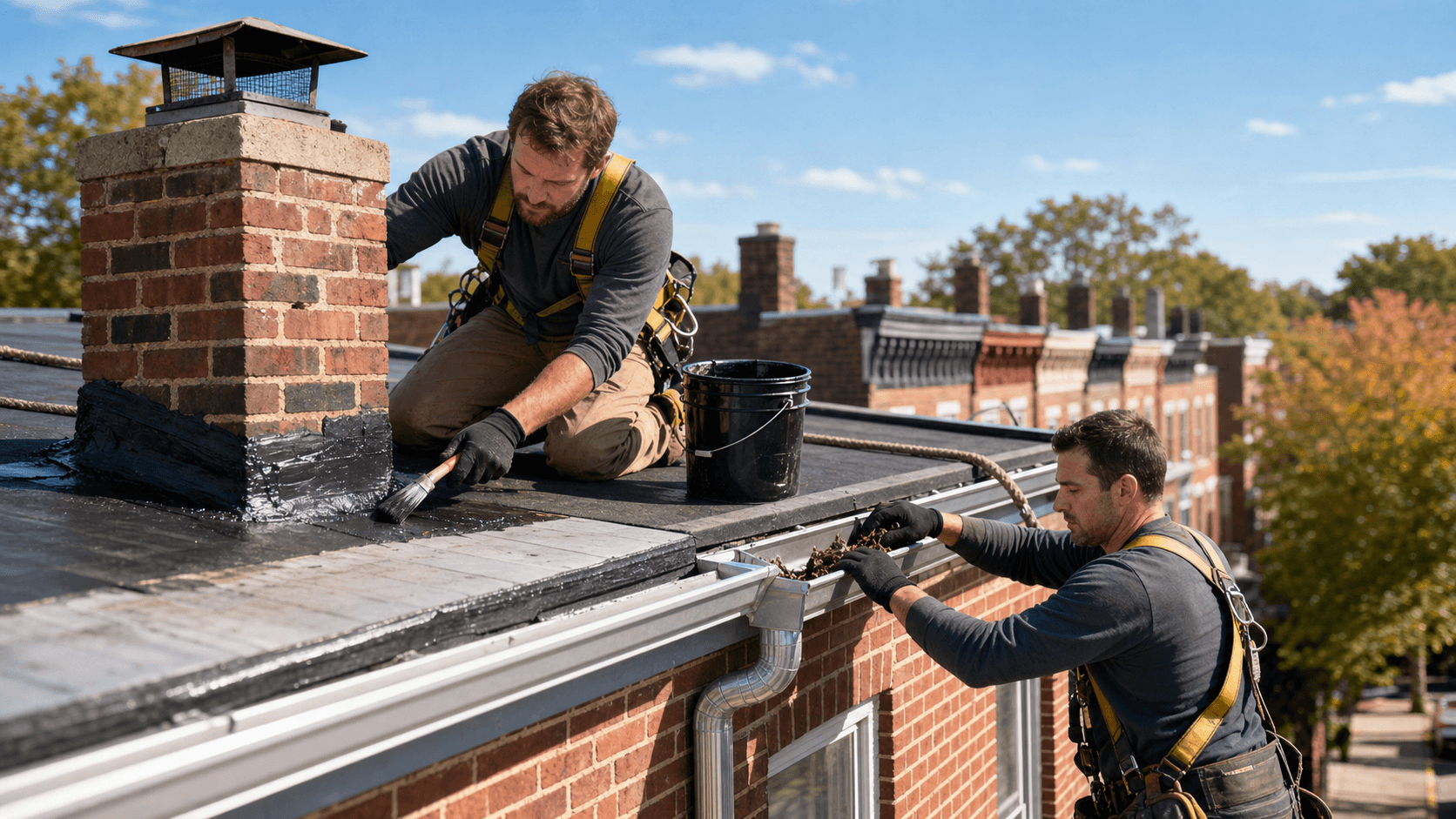
Stop Chimney Leaks Before They Wreck Your Home
A small brown spot on the ceiling near your chimney does not look like an emergency. It shows up in late spring, dries out, and you go on with your day. Then the big summer storms hit Pittsburgh, the spot spreads, the paint bubbles, and suddenly you are worried about what is going on above that ceiling.
Water is one of the most destructive things your chimney and roof system will ever face. It works into brick and mortar, rusts metal, breaks down the flue liner, and soaks the wood framing that holds your home together. If it keeps getting in, it can cause mold, rot, and even structural problems.
We want to walk through the common homeowner mistakes that let a small leak grow into major damage. When you understand these, you can act early, avoid costly repairs, and know when it is time to call for professional chimney leak repair in Pittsburgh.
Ignoring Early Warning Signs of a Leak
Most chimney leaks whisper before they shout. The first signs are easy to shrug off, especially when the weather changes from week to week.
Some subtle symptoms many people overlook are:
- Light water stains on ceilings or walls close to the chimney
- A musty or damp smell from the fireplace after rain
- Peeling or bubbling paint around the chimney chase or on the ceiling
- Occasional dripping sounds in the firebox during a storm
- Rust on the damper, firebox parts, or doors
- Efflorescence, the white chalky residue, on interior or exterior brick
The phrase "it only leaks when it rains hard" is more dangerous than it sounds. Small, infrequent leaks still soak into:
- Masonry joints and bricks
- Insulation packed around the chimney
- Roof decking and interior framing
Once those materials are wet, they can stay damp for a long time. That is when mold can grow and wood can start to rot. In our Pittsburgh climate, heavy summer thunderstorms push a lot of water into every tiny gap. Then cold seasons bring freeze-thaw cycles that make every crack wider.
Any new stain, damp smell, or rust around your chimney is a reason to get a chimney inspection, especially before stormy weather settles in. Early chimney leak repair in Pittsburgh is almost always simpler and less invasive than dealing with mold removal or rebuilding damaged framing later on.
Trusting Caulk and Tar as a Permanent Fix
A common do-it-yourselfer move is to grab a tube of caulk or a bucket of roof tar, smear it around the base of the chimney, and call it good. It looks sealed from the outside, so the problem must be solved, right?
The trouble is, these products are often:
- Not designed for long-term use on chimneys
- Prone to cracking and shrinking in sun and temperature swings
- Able to trap water behind them instead of letting it drain
Here in Western Pennsylvania, we see hot sun, heavy rain, and cold temperatures. That constant movement beats up on tar and caulk. Once those quick patches crack, water can sneak underneath and stay hidden. The ceiling inside might look fine for a while, even while the roof decking, fascia boards, and chimney framing are quietly rotting.
Wrong products on brick or stone can cause new problems too. Some surface sealants block the masonry from breathing. Trapped moisture inside the bricks can then lead to spalling, where the face of the brick pops or flakes off.
A professional, long-term repair looks very different. Instead of smearing on more goo, a chimney pro will focus on:
- Properly installed and counter-flashed metal flashing where the chimney meets the roof
- Crown repair or a full rebuild if the crown is cracked or crumbling
- Masonry water-repellent treatments that are made to let brick and mortar breathe
CSIA-certified technicians are trained to track the leak back to its source, not just cover up where the water appears. They understand building codes and the way roof-to-chimney transitions should work, so repairs last instead of failing after the next season.
Skipping Annual Inspections and Cleanings
If the fireplace drafts well and you are not getting smoke in the room, it can feel like everything is fine. Many homeowners think, "If it was leaking, I would see it." Sadly, that is not always true.
A lot of chimney leaks begin:
- At the crown on top of the chimney
- In the flashing where the chimney meets the roof
- In tiny cracks in the masonry joints
Water can run down inside the walls around the chimney for a long time before it finally shows up as a ceiling stain. Without a trained eye on the system each year, those early clues are easy to miss.
During an inspection, a pro will look for things like:
- Deteriorated or missing mortar joints between bricks
- Hairline cracks in the crown
- Loose, bent, or rusting chimney caps
- Gaps around flashing that do not yet leak inside
- Moisture stains, rust, or liner damage in the smoke chamber or flue
Regular cleanings also help. Creosote and debris can hold moisture against masonry and metal parts. Clearing that out makes it harder for water to stick around and cause trouble.
For many Pittsburgh homeowners, late spring or early summer is a smart time for this work. The worst of the winter freeze-thaw is done, and problems caused by that cycle can be found and fixed before heavy summer storms or the next heating season.
Overlooking Chimney Caps, Crowns, and Masonry Damage
Two of the smallest-looking parts of your chimney do some of the biggest protection work: the cap and the crown.
- The chimney cap blocks rain, animals, and leaves from coming straight down the flue
- The crown is the sloped concrete or mortar at the very top that sheds water away from the flue and masonry
If a cap is missing, damaged, or the wrong size, water has a wide-open path right into the flue and firebox. Over time, that can rust out metal parts, damage the liner, and soak the smoke chamber and surrounding brick.
Common masonry problems that speed up water intrusion include:
- Cracked or crumbling crowns
- Gaps or missing mortar between bricks
- Spalling bricks caused by water and freeze-thaw cycles
Pittsburgh weather is rough on masonry. Humid summers and cold winters mean any moisture inside brick or mortar will expand and contract again and again. What starts as a hairline crack can slowly grow, letting in more water every season.
A company that works on chimneys in this region every day understands how our local weather, older brick types, and typical building styles affect leak patterns. Professional solutions often include:
- Crown rebuilding or resurfacing to the right slope and thickness
- Tuckpointing to replace failed mortar joints
- Replacing damaged bricks before the problem spreads
- Applying breathable water repellents suited to Western Pennsylvania homes
That kind of focused repair helps your chimney shed water instead of soaking it in.
Delaying Repairs Until "After This Winter"
Once you know there is a leak, it is very tempting to wait. Maybe you plan to fix it after one more season, when life is less busy or other projects are done. The problem is, water damage does not wait with you.
Each season you delay, water has more time to:
- Saturate framing and insulation around the chimney
- Feed mold growth in dark, hidden spaces
- Break down mortar joints and weaken the chimney structure
Freeze-thaw cycles are especially hard on existing cracks. Water seeps in, freezes, expands, and makes the gap wider. By the time spring comes again, more water can get in, and the cycle keeps going.
Early repairs often involve smaller steps, like sealing or replacing flashing, installing a quality cap, or fixing a minor crown issue. When leaks are left alone, repairs can grow into large masonry rebuilds, roof deck replacement, and interior drywall work. In some cases, long-term moisture also affects liners and how safely appliances or fireplaces vent.
A smarter plan is to use the off-season for your fireplace to deal with leaks, especially late spring and summer. Access is usually easier, weather is more predictable, and schedules are often more flexible. Taking care of chimney leak repair in Pittsburgh before the busy fall period helps keep your system safe, dry, and ready when you need it most.
Get Started With Your Project Today
If you are seeing water stains, masonry damage, or a musty smell around your fireplace, now is the time to schedule professional chimney leak repair in Pittsburgh with Chimney Fixers SEO. We will inspect your chimney, identify the exact source of the leak, and provide a clear plan to protect your home. Reach out today so we can prioritize your safety and prevent more costly damage, or contact us to book an appointment that fits your schedule.