Protecting Pittsburgh Brick Chimneys Before Next Winter
Brick chimneys in Pittsburgh take a beating. Cold winters, wet springs, and sticky summers all push moisture into the masonry. When that water gets into the brick and mortar and freezes, it starts to break things apart from the inside.
Over time, that leads to chipped brick faces, crumbling mortar joints, interior leaks, and even structural issues with the chimney stack. The good news is that the right waterproofing plan can slow all of this down and protect your home. In this article, we compare common chimney waterproofing options for Pittsburgh brick homes so you can choose smart protection before the next round of winter weather hits, based on CSIA-certified best practices and our local experience in the greater Pittsburgh area.
How Water Damages Brick Chimneys in Pittsburgh
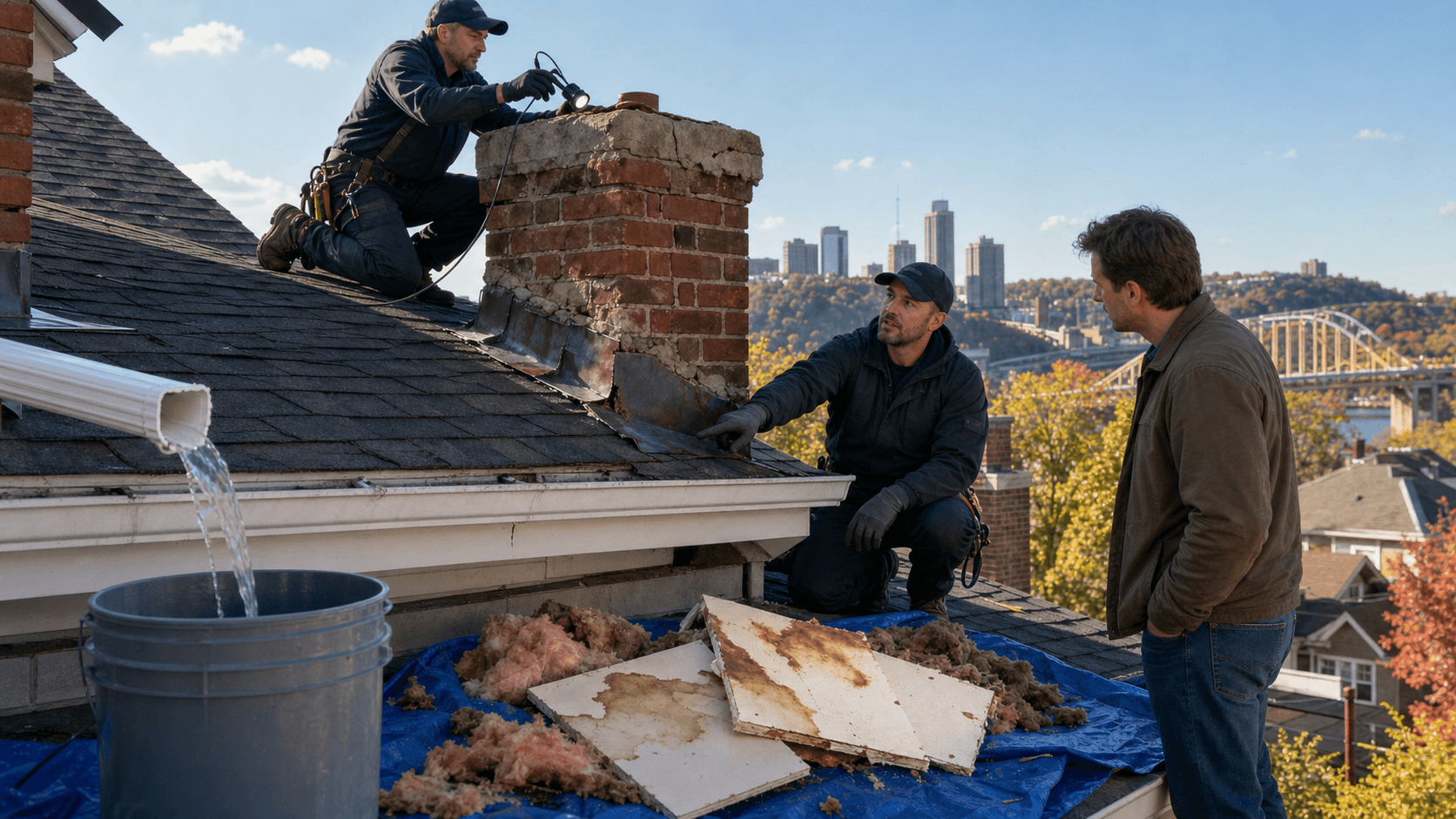
Brick and mortar are like a sponge. They look solid, but they are full of tiny pores and hairline gaps. Water from rain, snow, and humidity seeps in, then sits inside those spaces. When temperatures drop below freezing, that water expands and pushes against the brick and mortar from within.
In Pittsburgh, our weather makes this cycle happen again and again. We see:
- Heavy, wind-driven rain that soaks vertical brick
- Spring thaws that melt snow quickly and send water rushing into tiny cracks
- Rapid temperature swings where it can be mild one day and freezing the next
- Long stretches of damp, humid air that keep masonry from fully drying out
All of this speeds up chimney damage. Some common warning signs include:
- White powder on the brick, called efflorescence
- Dark, damp-looking areas on the chimney, even on dry days
- Flaking or spalling brick faces
- Crumbling, missing, or soft mortar joints
- Rust on the damper, firebox, or chimney components
- Water stains on ceilings or walls near the chimney, or musty odors
Catching these signs early and adding proper chimney waterproofing in Pittsburgh usually costs much less than rebuilding a chimney stack or repairing serious interior water damage later.
Chimney Caps and Crowns vs. Full Waterproofing
Think of the top of your chimney as the first shield against water. The chimney cap sits over the flue opening and keeps rain, snow, animals, and debris from going straight down inside. Every brick chimney in our climate should have a solid, properly sized cap.
Below the cap is the crown, the concrete or mortar surface that slopes away from the flue tile. Its job is to shed water away from the center of the chimney. When a crown cracks, water sits in those gaps and works its way into the bricks and into the walls of the home.
There are a few options for dealing with crown problems:
- Simple crown patching, used for small, tight cracks
- Full crown rebuilds when the existing crown is loose, thin, or badly broken
- Professional crown coatings that form a flexible, waterproof layer over sound concrete
In a wet, cold climate like Pittsburgh, patching alone often does not last very long if the damage is widespread. Rebuilt crowns and high-quality coatings generally stand up better to freeze-thaw cycles.
It is important to remember that caps and crowns mainly protect from water entering at the very top. They do not stop water from soaking into the sides of the chimney if the brick and mortar are already porous. That is where full chimney waterproofing comes in.
Professional Chimney Waterproofing Sealers Explained
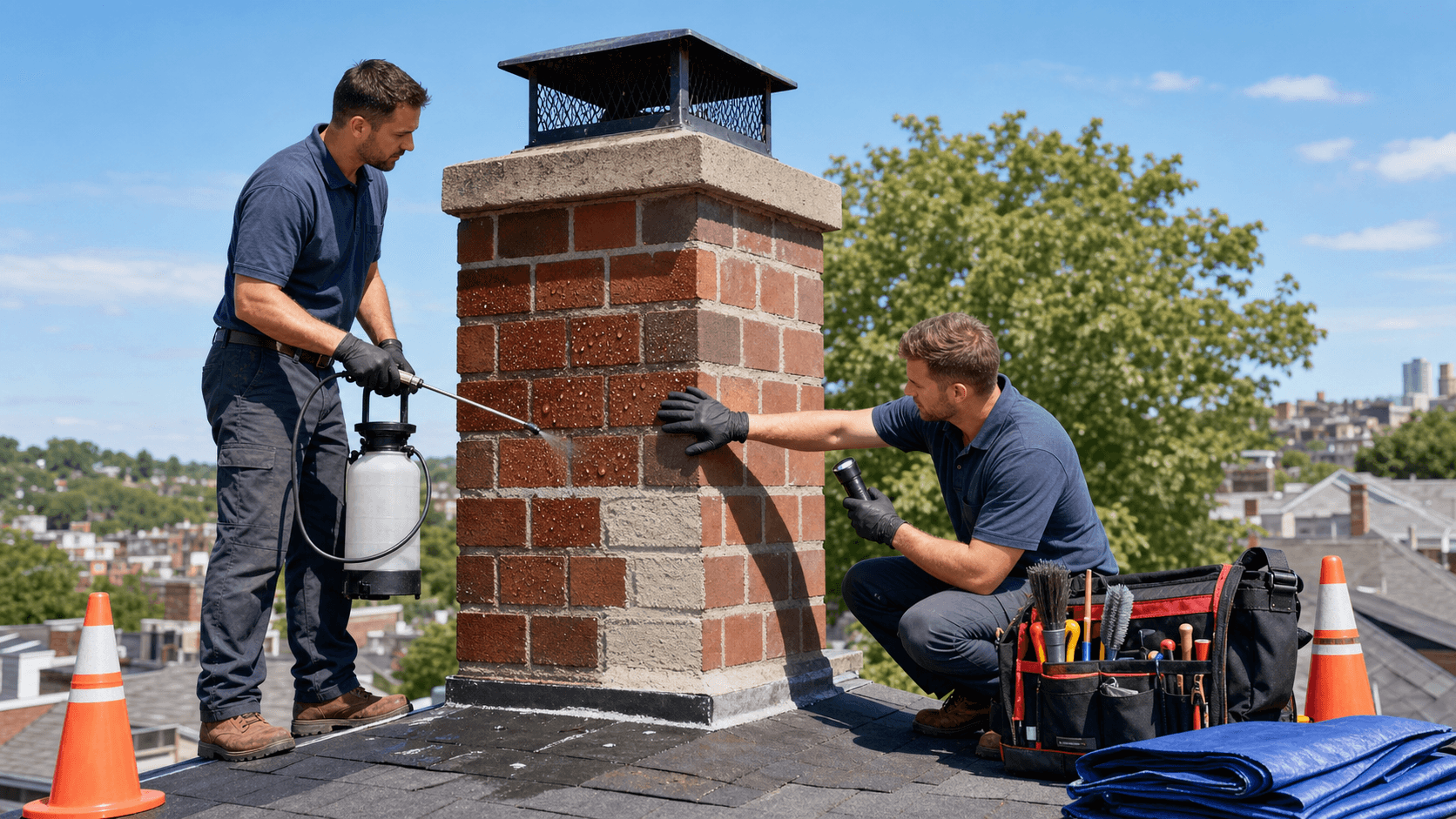
For the chimney walls themselves, professional-grade, vapor-permeable water repellents are the gold standard, especially for older brick homes around Pittsburgh. These products soak into the masonry and repel liquid water, but they still allow trapped moisture vapor inside the chimney to escape.
Common types of sealers include:
- Silane-based masonry repellents that penetrate deeply into dense brick
- Siloxane-based repellents that bond well with many types of masonry
- Blends of silane and siloxane that balance depth and surface protection
On the other hand, non-breathable acrylic or latex coatings can act like plastic wrap on your chimney. They may keep rain out at first, but they also trap any moisture that is already inside the brick. Over time, this can cause blistering, peeling, and even faster brick damage. We avoid this approach.
For chimney waterproofing in Pittsburgh to work well and last, prep is just as important as the product:
- The chimney should be cleaned so the sealer can soak in evenly
- Loose or missing mortar should be repaired by tuckpointing
- Damaged bricks should be replaced, not just coated
- Application should happen in dry weather, usually late spring or early summer
With good prep and quality materials, a professional application can protect masonry for several years at a time. Re-application on a regular schedule keeps that protective barrier working as bricks age and face more freeze-thaw cycles.
DIY Waterproofing vs. Hiring a CSIA-Certified Pro
Many homeowners see cans of masonry sealer at big-box stores and think waterproofing is a simple DIY weekend job. The problem is that these products are often general-purpose coatings, not chimney-specific, vapor-permeable repellents. Applying the wrong product can seal moisture inside and speed up damage.
Some common DIY risks include:
- Using non-breathable paint-like coatings on the chimney exterior
- Spraying over cracked crowns, loose bricks, or failing mortar without fixing them
- Missing small gaps where water is already entering behind the brick face
- Getting poor coverage because of improper tools or weather conditions
DIY may look cheaper up front, but if the coating fails, peels, or traps moisture, you can end up facing spalling bricks, crown failure, or leaks into the attic and walls.
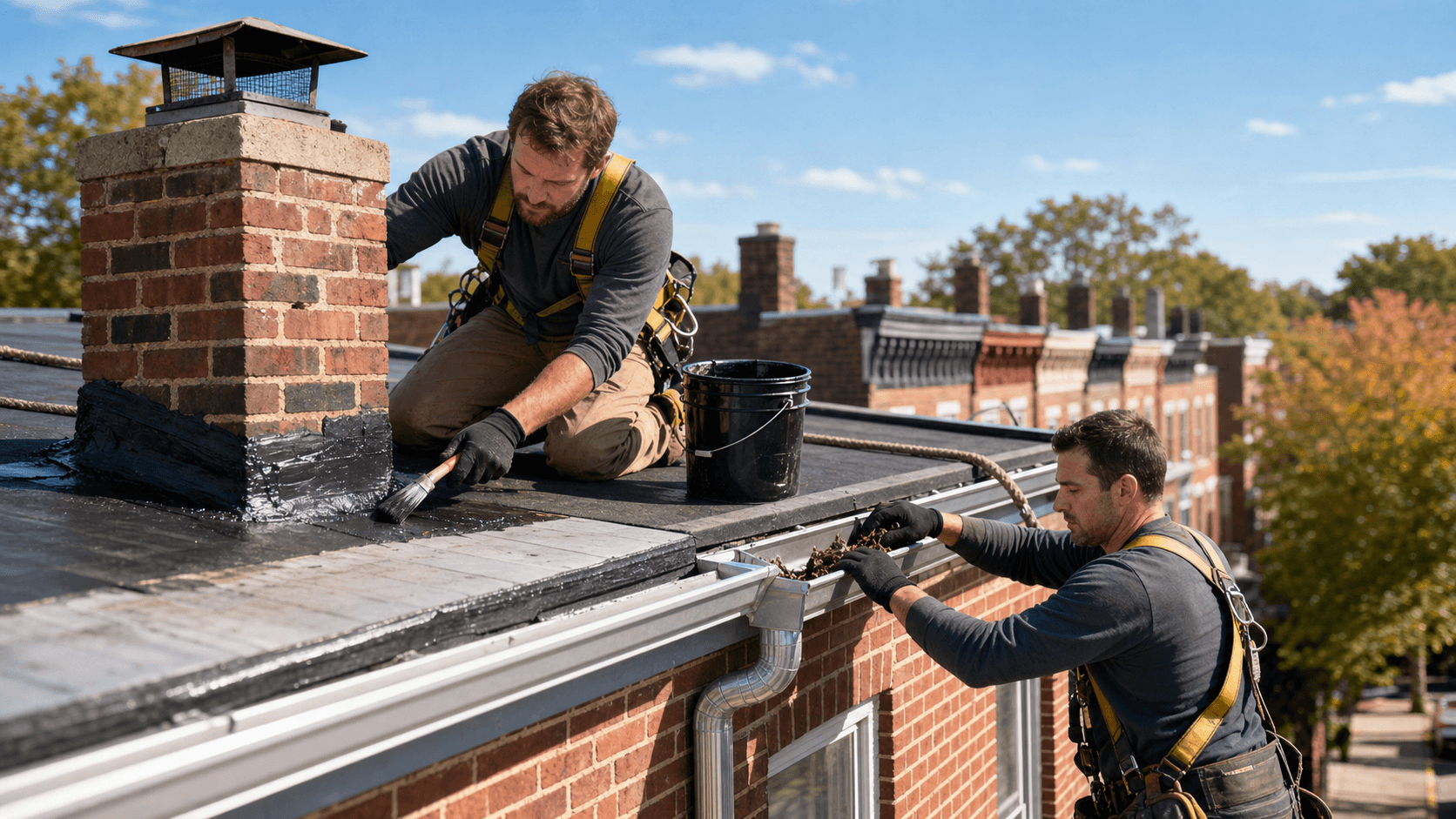
There are also real safety concerns. Working on steep roofs, tall chimneys, and long ladders is not simple or safe without training and proper fall protection. A CSIA-certified chimney technician is trained to inspect the full system while on site, not just the outside surfaces. That means we can often spot hidden issues with the flue, liner, flashing, or masonry and address them along with waterproofing.
At Chimney Fixers, we look at each chimney as a whole system. We check for needed cleaning, relining concerns, and masonry repairs, then match the right waterproofing products and methods to your specific brick, chimney height, and exposure to weather.
Choosing the Best Waterproofing Plan for Your Home
Every chimney is different, but some general guidelines help homeowners make smart choices.
For recently built chimneys with sound mortar and no signs of leaks, the focus is on keeping them that way. A quality cap, a solid crown, and professional vapor-permeable waterproofing can give you a strong starting point.
For older historic brick chimneys, the brick is often softer and more absorbent. These chimneys usually need careful tuckpointing with the right mortar, repairs to damaged crowns, and gentle cleaning before any water repellent is applied.
If your chimney already shows visible damage or has leaked inside, the plan often includes:
- A full inspection of the chimney structure and interior
- Repair or rebuild of failing crowns
- Replacement of badly damaged bricks
- Tuckpointing of weak or missing mortar joints
- Then, professional waterproofing once the masonry is sound
A simple seasonal game plan for many Pittsburgh homeowners looks like this: have the chimney inspected in spring, get any masonry repairs handled while the weather is mild, apply waterproofing in late spring or early summer, and follow up with a quick pre-winter check of caps, crowns, and flashing.
By taking these steps on a regular schedule, you help your brick chimney stand up better to our local weather and protect the rest of your home from moisture problems that start on the roof and work their way inside.
Protect Your Chimney And Home From Costly Water Damage Today
If you have noticed leaks, staining, or crumbling masonry, now is the time to schedule professional chimney waterproofing in Pittsburgh with Chimney Fixers SEO. Our team will inspect your system, explain what we find in plain language, and recommend the right solution for your home and budget. Reach out today and let us help you stop water problems before they turn into expensive repairs. If you are ready to book service or ask questions, simply contact us.