Hidden Chimney Dangers That Hurt Your Home and Wallet
Chimneys in Pittsburgh work harder than most people think. In the cold months they carry smoke, heat, and gases out of the house. In the warmer months they still deal with rain, humidity, soot, and debris settling inside. All of that adds up, even if you only use your fireplace now and then.
Skipping regular chimney cleaning in Pittsburgh can seem like an easy way to save time and money. The problem is that the real costs stay hidden at first. Damage grows slowly, inside the chimney where you cannot see it, until it turns into bigger bills, bigger risks, and bigger headaches.
Those hidden costs show up as fire hazards, carbon monoxide exposure, crumbling masonry from freeze-and-thaw, and even trouble with insurance or a home sale. Professional chimney cleaning is about more than looks. It is about safety, efficiency, and protecting the value of the home you work so hard for.
Fire Hazards That Grow with Every Unused Season
Any time you burn wood, you create creosote. This is a sticky, tar-like material that clings to the inside of the flue. It can be flaky, shiny, or thick and gooey, but every type of creosote is highly flammable. Even a fireplace used only on weekends can build up enough residue over time to cause trouble.
Pittsburgh homes often rely on wood or coal stoves and fireplaces for long heating seasons. That means more hours of burning and more time for deposits to collect. On top of that, chimneys can also collect:
- Soot and ash
- Bird nests and animal debris
- Leaves and twigs from nearby trees
- Broken pieces of tile or brick from inside the flue
When creosote or debris catches fire, the flames do not stay polite and neat inside the firebox. A chimney fire can roar up the flue, crack tiles, damage liners, and overheat nearby framing. The roof, attic, and walls can be affected. Even a "small" incident can leave behind smoke odor and residue that is hard to remove.
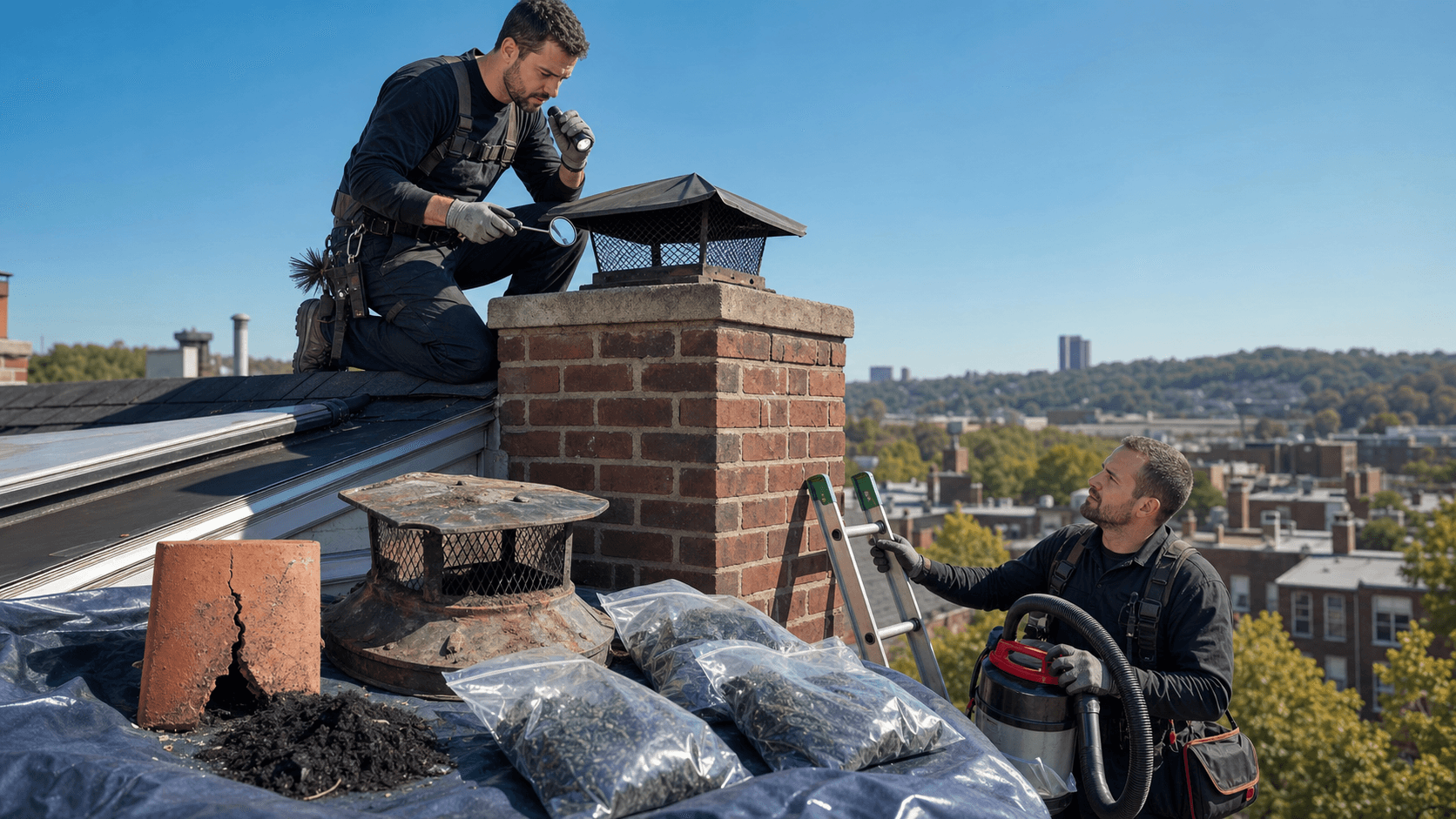
From the yard, the chimney might look perfectly fine. The bricks may seem straight, the cap might appear normal. The danger is inside, where the buildup hides. Only a CSIA-certified inspection can show what the flue really looks like from top to bottom and whether cleaning is needed before the next burn season.
Hidden Health and Indoor Air Quality Risks
When a chimney is dirty or blocked, it does not vent the way it should. Smoke and fine particles can spill back into the room, even if you do not see big clouds of smoke. Over time, that can irritate lungs and sinuses and can be especially hard on people with allergies, asthma, or other breathing issues.
A blocked flue also raises the risk of carbon monoxide problems. Furnaces, boilers, and fireplaces all need a clear path to send gases outside. In cold Pittsburgh months, homes are sealed tight to keep heat in. That makes it even more important for heating systems to vent cleanly so gases do not collect indoors.
Poor venting can lead to:
- Headaches or dizziness when the heat is running
- Burning or watering eyes near the fireplace
- Soot stains around the firebox or on walls and ceilings
- Lingering smoke smells long after a fire is out
Many people brush off these warning signs or blame them on "old house smell." Regular chimney cleaning in Pittsburgh helps the air move the way it should. It supports healthier indoor air and lowers the chances of hidden fumes building up where the family lives and sleeps.
Costly Masonry Damage From Pittsburgh Weather
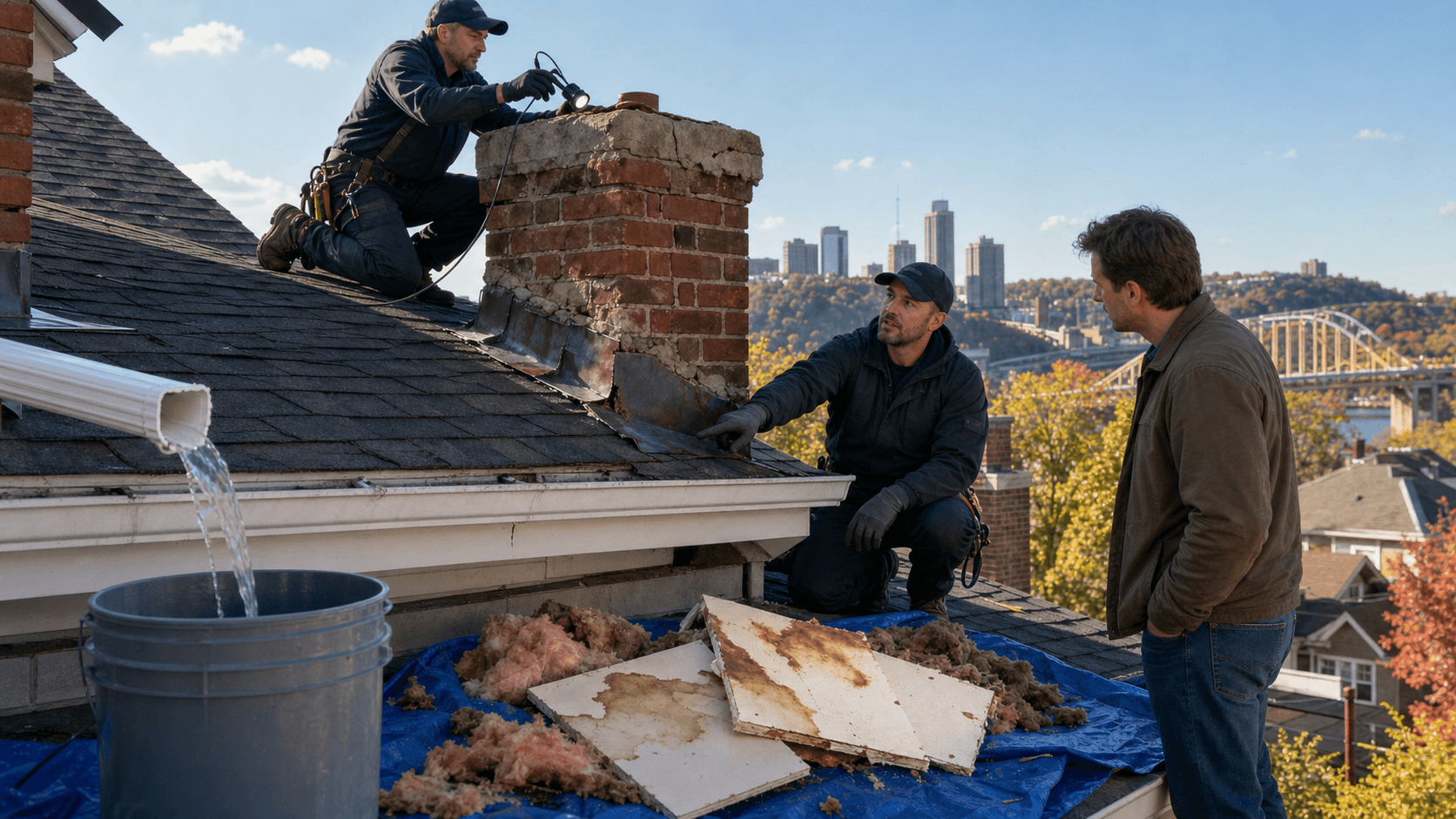
Soot, ash, and acidic byproducts from burning do not just sit there. Over time they slowly eat away at mortar, brick faces, and metal parts. Dampers can rust, caps can corrode, and small cracks can start to form inside the flue.
Then the Pittsburgh weather joins in. Our area sees plenty of rain, snow, and temperature swings. When moisture gets into the chimney, it can soak into bricks and mortar. If debris or creosote traps that moisture, it has nowhere to go. When temperatures drop and that water freezes, it expands and pushes on the masonry from the inside.
That freeze-thaw cycle can lead to:
- Cracks in mortar joints
- Spalling bricks that flake or pop apart
- Loose or leaning chimney stacks
- Gaps that let more water and cold air into the home
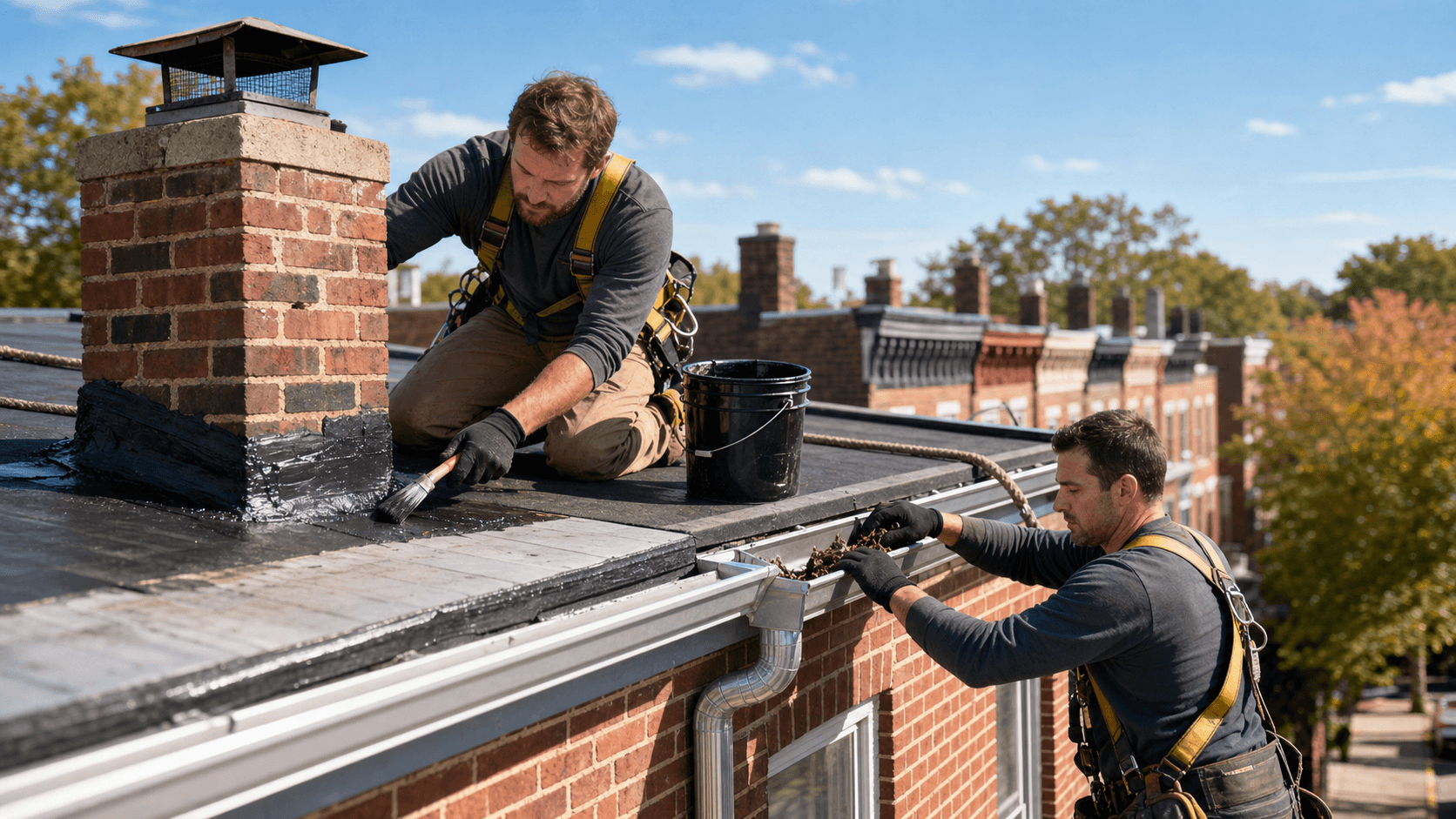
The cost gap between routine cleaning and major repair work can be large. Simple maintenance helps catch issues early, when they might only need minor patching or sealing. Without that, homeowners can end up facing bigger jobs like chimney crown work, liner replacement, or even partial or full rebuilds.
Professional inspections spot early clues that most people miss, such as hairline cracks, soft or crumbling mortar, rust marks on metal, or a slightly uneven chimney top. Catching these small warnings after a cleaning can keep them from turning into serious structural problems later.
Insurance, Energy Bills, and Home Sale Surprises
A neglected chimney can cause trouble with more than just comfort and safety. It can also lead to headaches with insurance, energy costs, and real estate plans.
If there is a chimney fire or smoke damage and the chimney has not been cared for, insurance companies may take a closer look at the claim. Lack of documented professional maintenance can make the process slower or more complicated.
A dirty or blocked chimney also makes fireplaces and heating appliances work harder. Poor drafting can mean:
- More fuel needed for the same amount of heat
- Rooms that never feel evenly warm
- Heating systems cycling on and off more often
All of that can push energy bills up during long Pittsburgh winters.
When it comes time to sell a home, chimney issues can surprise owners. Buyers, home inspectors, and lenders often want proof of recent chimney cleaning and a certified inspection report. If problems are found during that stage, it can lead to:
- Delayed closings
- Repair credits at the seller's expense
- Buyers who decide to walk away
What started as "I will deal with the chimney later" can quickly become a big sticking point at the worst possible time.
Protect Your Pittsburgh Home Before Next Winter Hits
The easiest time to think about chimney cleaning in Pittsburgh is actually when the heat is off. Late spring and summer tend to be less busy for chimney work, and there is plenty of time to fix any issues before temperatures drop again.
A simple yearly routine can make a big difference:
- Have a professional cleaning to remove soot, creosote, and debris
- Get a CSIA-certified inspection to check the full system
- Take care of small repairs before they spread or get worse
As a family-owned, CSIA-certified chimney sweeping and repair company serving Pittsburgh and the greater Pittsburgh area, we see every day how a modest investment in timely maintenance can prevent stress, surprise repair lists, and safety worries later. Regular chimney care helps protect your home, your health, and your peace of mind long before the first cold night arrives.
Get Started With Your Project Today
If your fireplace or chimney is overdue for attention, our team at Chimney Fixers SEO is ready to help you restore safety and efficiency in your home. Explore our recent chimney cleaning in Pittsburgh projects to see the quality and care we bring to every job. When you are ready to schedule service or ask questions, simply contact us and we will walk you through the next steps.