Inside a Chimney Inspection in Pittsburgh Brick Homes
A chimney inspection in Pittsburgh brick homes is about more than a quick look up the flue. It is a careful check of the whole system that vents smoke, hot gases, and moisture out of your house. If you rely on a fireplace or wood stove through our long winters, this check matters for both safety and comfort.
In older brick neighborhoods like Bloomfield, Squirrel Hill, and Mount Washington, many homes have masonry chimneys that have seen decades of weather. We see how cold, snow, rain, and age can wear on brick and mortar. In this article, we walk through what really happens during an inspection, why Pittsburgh chimneys need extra attention, and how smart timing can help you stay ahead of bigger problems.
What Really Happens During a Chimney Inspection
When people think of a chimney inspection, they often picture someone shining a flashlight up the flue and calling it a day. A modern inspection is much more structured than that. It follows safety codes and industry standards so we can check the chimney top to bottom.
During a chimney inspection in Pittsburgh, we look at how all the parts work together, including:
- Exterior masonry and crown
- Chimney cap and spark screen
- Flashing where the chimney meets the roof
- Firebox, damper, smoke chamber, and hearth
- Flue liner and draft behavior
Our area makes this work a bit different from other places. We deal with freeze-thaw cycles, heavy winter firing, and older brick and mortar. Many roofs are steep, and chimneys can be tall and exposed. All of this means we have to pay close attention to early signs of wear that might not look serious yet.
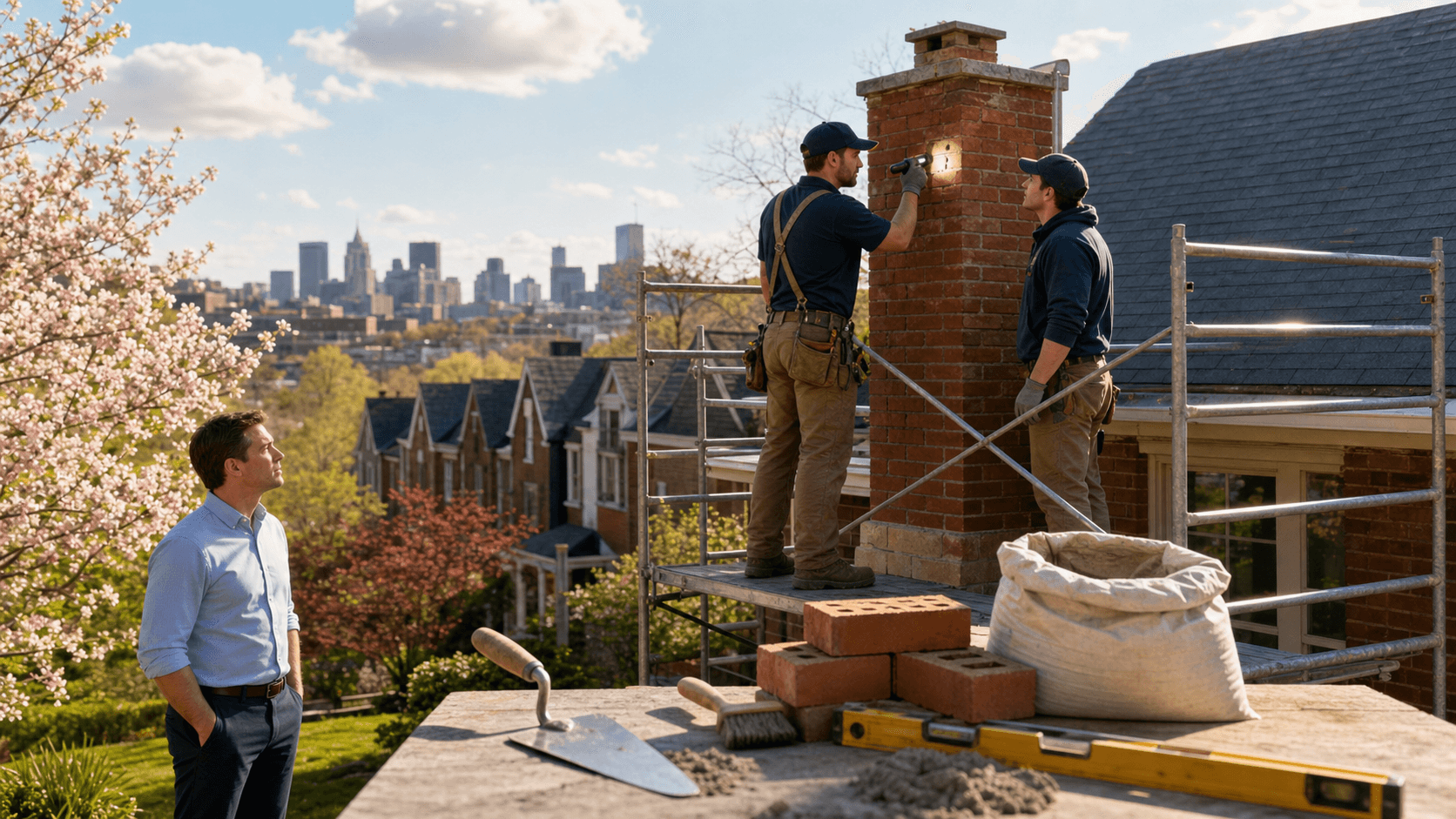
Our team at Chimney Fixers is family-owned and CSIA certified. We work on masonry chimneys in and around Pittsburgh every day, so we know the local patterns of damage. Late spring is one of the best times to inspect. The chimney has just gone through its hardest season, the weather is usually mild enough for roof work, and you are well ahead of the fall scheduling rush.
Why Pittsburgh Brick Chimneys Need Extra Attention
Brick chimneys in our climate go through a lot. Water can soak into brick and mortar during wet weather. When that trapped water freezes, it expands and starts breaking pieces apart. Over time, this freeze-thaw cycle can lead to:
- Cracked or flaking bricks
- Gaps in mortar joints
- Loose or shifted masonry
- Crumbling chimney crowns
Pittsburgh also sees plenty of moisture, from lake effect influences to heavy snow and driving rain. Older crowns and mortar do not always keep that water out. Once moisture gets inside the chimney structure, it can leak into attics, ceilings, and walls.
Many local homes are 50 years old or more. Their chimneys were often built with materials and liners that came before current standards. Common issues we see in these older brick chimneys include:
- Deteriorated mortar joints between bricks
- Damaged or cracked chimney crowns
- Missing, small, or rusted chimney caps
- Tile flue liner cracks and missing mortar between tiles
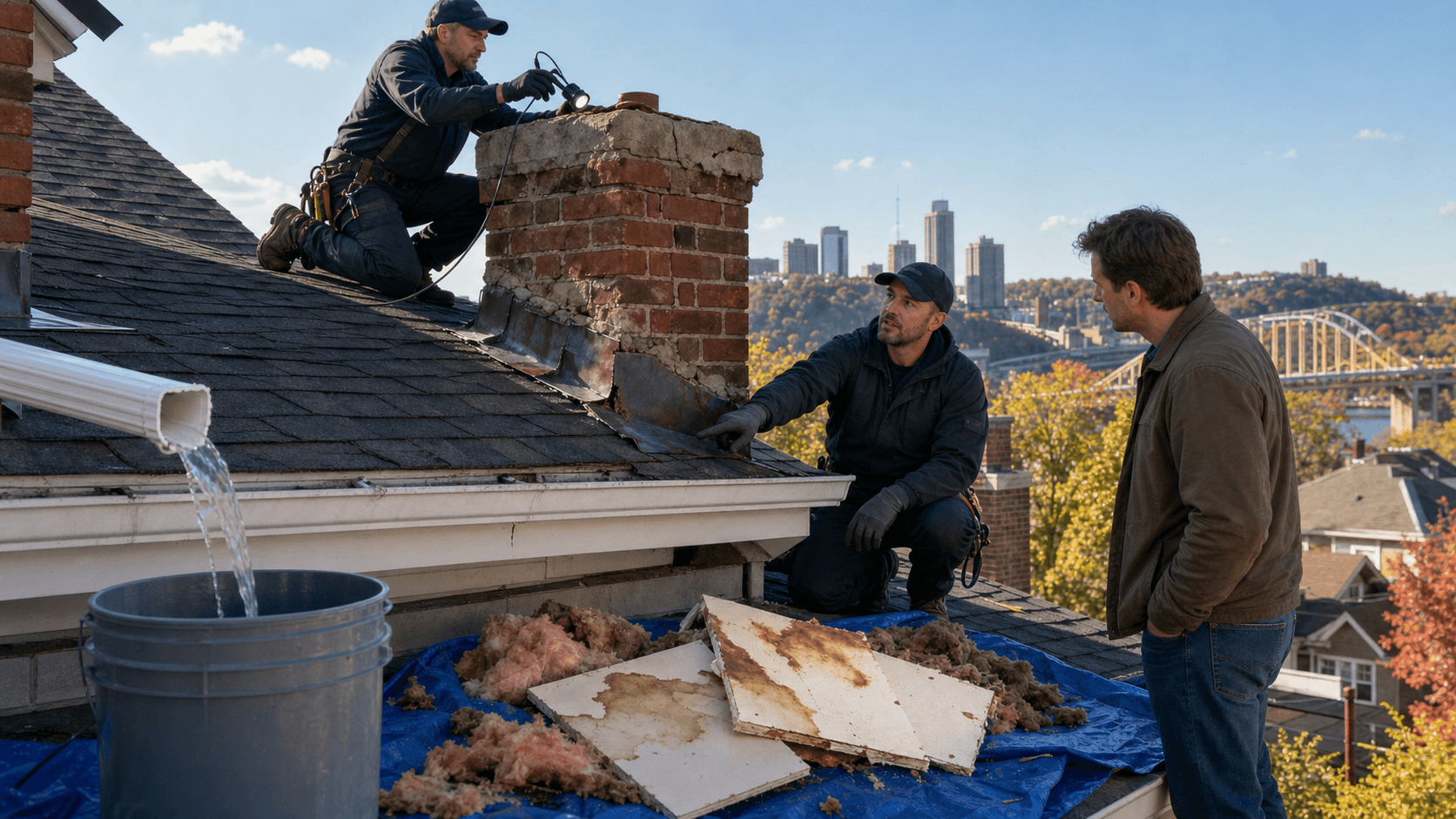
- Flashing that has pulled away or rusted where chimney meets roof
A chimney inspection in Pittsburgh focuses on spotting these masonry red flags early. Catching a small crown crack now can prevent a leak that stains ceilings or weakens interior framing later.
Step-by-Step Walkthrough of a Professional Inspection
When our CSIA certified techs arrive, we start with safety. We look at roof access, set up ladders, and lay down interior protection around the fireplace to keep soot and dust off your floors.
The inspection usually follows this basic flow:
- Exterior evaluation
We look over the chimney from the ground and the roof. We check:
- Brick and mortar for cracks, spalling, and gaps
- The crown for hairline fractures or missing pieces
- The cap and screen for rust, damage, and proper fit
- Flashing for rust, separations, or sealant failure
We also note where gutters drain and how the roof sheds water toward the chimney.
- Interior fireplace and firebox check
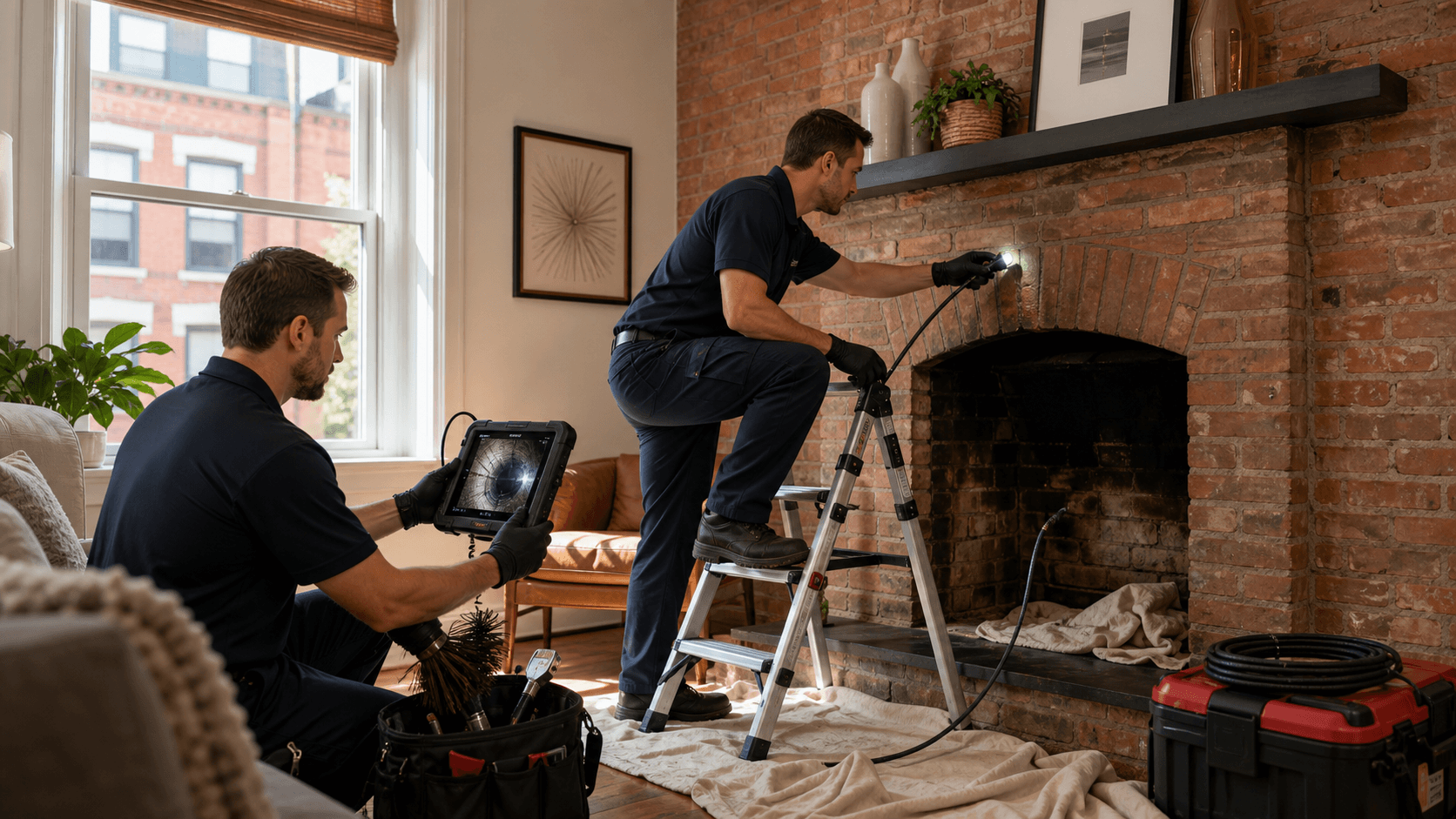
Inside, we inspect the firebox, damper, smoke chamber, and hearth. We check for:
- Smoke staining that might show draft issues
- Cracks in firebrick or refractory panels
- Warped metal parts or loose joints
- Gaps where heat or sparks could reach wood framing
- Flue inspection
For basic checks, we may use a mirror and light. For deeper inspections, we run a camera up through the flue. This helps us see:
- Cracks or missing sections in clay tiles
- Gaps between tiles or missing mortar
- Corrosion in metal liners
- Nests, leaves, or other blockages
- Draft and safety checks
We look for signs of backdrafting, staining, or smoke movement that point to poor airflow. We note anything that could relate to carbon monoxide risk, like heavy soot or odd burn patterns.
- Documentation and walkthrough
At the end, we share photos and clear notes. We explain any issues, what they mean, and how soon they should be addressed. Often we break recommendations into must do safety fixes and items that can be monitored over the next few seasons.
Hidden Problems a Chimney Inspection Can Uncover
Many chimney problems start quietly inside the system where you cannot see them from the living room. A thorough inspection can uncover:
- Structural and liner issues
Cracked clay tiles, missing mortar joints, or gaps in older liners can let intense heat reach nearby wood. This can raise the risk of a chimney fire or hidden heat damage.
- Water and leak sources
Tiny cracks in the crown, porous brick, or loose flashing can let rain and melting snow inside. Over time, this can show up as stained ceilings, peeling paint, or soft spots in walls.
- Creosote buildup and blockages
Regular wood burning in long winters leads to creosote deposits on flue walls. Birds and small animals may add nests and debris. Thick buildup or clogs can restrict airflow and increase fire risk.
- Smoke and odor complaints
We often connect smoky fireplaces, staining above mantels, or musty chimney smells to drafting problems, damaged liners, or moisture trapped inside the masonry.
There are also safety and paperwork benefits. A documented chimney inspection in Pittsburgh from a CSIA certified company can help with real estate sales, insurance questions, and local code requirements.
From Inspection to Repair on Older Brick Homes
Once we find issues, the next step is planning repairs in a smart order. We usually suggest starting with anything that affects safety or active leaks. Then we move to long-term maintenance.
We often help homeowners sort repairs into:
- Must do soon, like serious liner damage, major cracks, or active water entry
- Should plan within a season or two, like moderate mortar wear
- Watch and recheck, like early hairline cracks or light staining
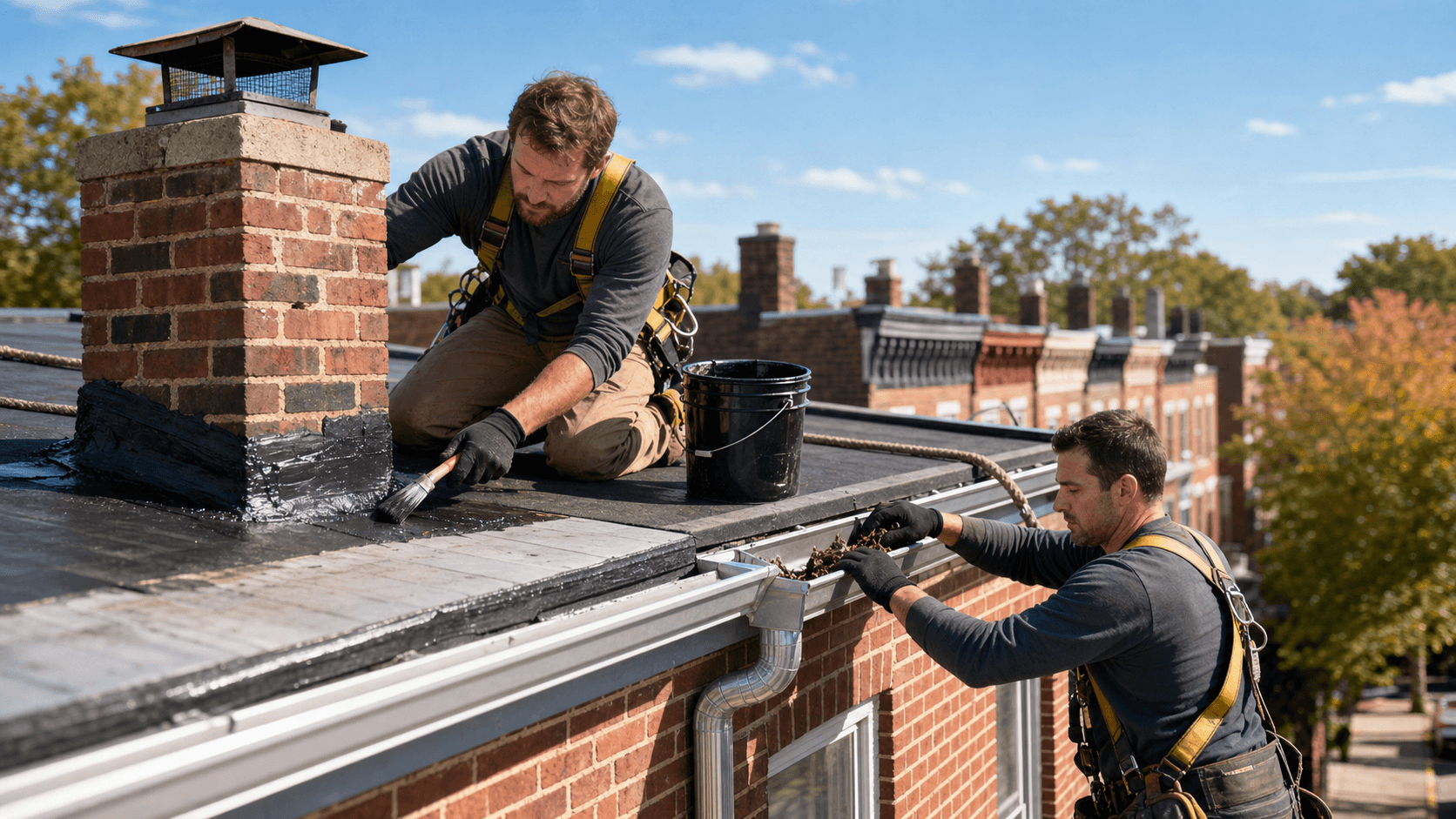
For Pittsburgh weather, masonry work often includes repointing mortar joints, replacing spalled bricks, and rebuilding or sealing damaged crowns. Good water protection is key, so we pay close attention to crowns, caps, and flashing.
Older, unlined, or heavily damaged tile flues may be good candidates for stainless steel relining. A proper liner can improve draft, help protect nearby materials, and support better overall performance.
Leak and moisture control can include installing or upgrading chimney caps, repairing or replacing crowns, improving flashing, and using products meant to shed water from masonry. Scheduling this work in late spring and summer gives materials time to cure before the first real cold snap.
Schedule Your Next Chimney Inspection Before Fall Hits
Planning a chimney inspection in Pittsburgh before fall makes life easier. Schedules are usually more open, weather tends to be kinder for roof work, and there is time to fix what we find before you need steady heat again.
Regular inspections help catch masonry and liner damage early, lower the chances of chimney fires and carbon monoxide issues, and protect older brick homes from leaks and hidden rot. Many homeowners find it helpful to treat chimney care like an annual spring habit, along with HVAC servicing and gutter cleaning.
Most chimney issues start small and can be handled more affordably when found early. With local, family-owned experience and CSIA certified training, we focus on giving clear, honest recommendations that make sense for your home and your budget.
Protect Your Home With a Professional Chimney Inspection Today
If you are due for a chimney inspection in Pittsburgh, now is the time to schedule before minor issues become costly repairs. At Chimney Fixers SEO, we carefully assess your chimney to help keep your home safe, efficient, and ready for every season. Our team is ready to answer your questions, walk you through the process, and find a time that fits your schedule. Reach out today through our contact page to book your inspection.