Stay Safe and Cozy with the Right Chimney Inspection Schedule
A fireplace can make a long Pittsburgh winter feel a lot more comfortable, but only if the chimney behind it is safe and working the way it should. Creosote, hidden cracks, loose bricks, and damaged liners can all turn a cozy fire into a real hazard. That is why a regular fireplace chimney inspection in Pittsburgh is so important for safety, efficiency, and code compliance.
There are three main levels of chimney inspections: Level 1, Level 2, and Level 3. These are official categories with clear rules, not just different prices on a menu. Each level looks deeper into different parts of the system, and each one is triggered by certain situations. Homeowners should not have to guess which level they need or hope that a quick look with a flashlight is enough.
We are a family-owned, CSIA-certified chimney sweeping and repair company serving Pittsburgh and the greater area. Our job is to help you understand what each inspection level really means, when it applies, and how often your chimney should be inspected so you can burn with confidence all winter long.
How Often Pittsburgh Chimneys Really Need Inspections
Industry standards, including NFPA 211, say that chimneys, fireplaces, and vents should be inspected at least once a year. That is a minimum, not a maximum. In Pittsburgh, that yearly check matters even more because of our long heating season, heavy wood burning, and constant freeze-thaw cycles that put stress on masonry.
For most homes, a good basic schedule looks like this:
- Wood-burning fireplaces and stoves: at least once a year
- Gas fireplaces and inserts: at least once a year
- Chimneys that see very heavy use: sometimes more often, based on what an inspector finds
Wood-burning systems tend to build up creosote and soot. They also pull a lot of heat and moisture through the flue, which can weaken liners and mortar joints over time. Gas appliances burn cleaner, but that does not mean they are risk-free. Even gas fireplaces need yearly checks to confirm the venting is clear, the chimney path is sound, and there are no carbon monoxide concerns.
Timing matters too. In Pittsburgh, late spring or early summer is usually the best season to plan a fireplace chimney inspection. Here is why many homeowners prefer that window:
- Chimney companies' schedules are more open than in the fall
- Snow, ice, and salt damage from winter can be spotted and repaired quickly
- There is plenty of time to fix problems before the first cold snap
- You avoid the rush that happens when the first chilly nights arrive
Staying on this kind of schedule helps catch small cracks, water leaks, and creosote buildup before they turn into major repairs or safety issues.
When a Simple Level 1 Inspection Is Enough
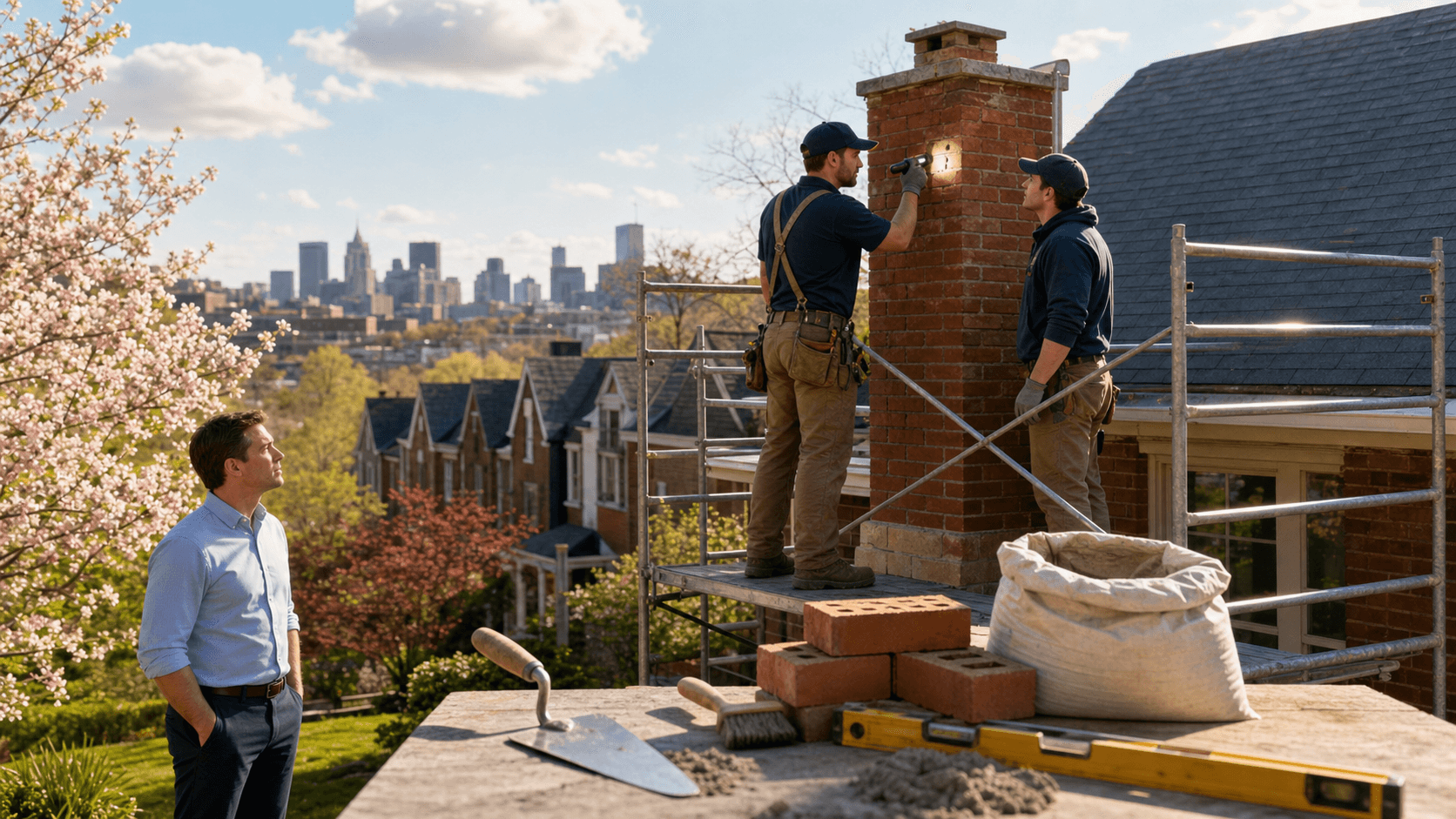
A Level 1 chimney inspection is the most basic type, but it is still a professional service, not just a quick glance. In a Level 1 inspection, we visually check the parts of the chimney that are easy to see and reach. That includes the firebox, damper area, visible flue sections, and the parts of the chimney that are out in the open in the living space or on the roof.
A Level 1 inspection is usually appropriate when:
- You have not changed the appliance or fuel type since the last inspection
- You have had no known chimney fires or major damage
- The fireplace seems to be working normally
- You are keeping up with regular, yearly inspections
During a Level 1 visit, a Pittsburgh homeowner can expect us to:
- Look for creosote and soot buildup
- Check for blockages like leaves, birds' nests, or fallen bricks
- Inspect for visible cracks, loose mortar, or damaged bricks
- Test the damper to be sure it opens and closes properly
- Look for obvious safety hazards or code issues
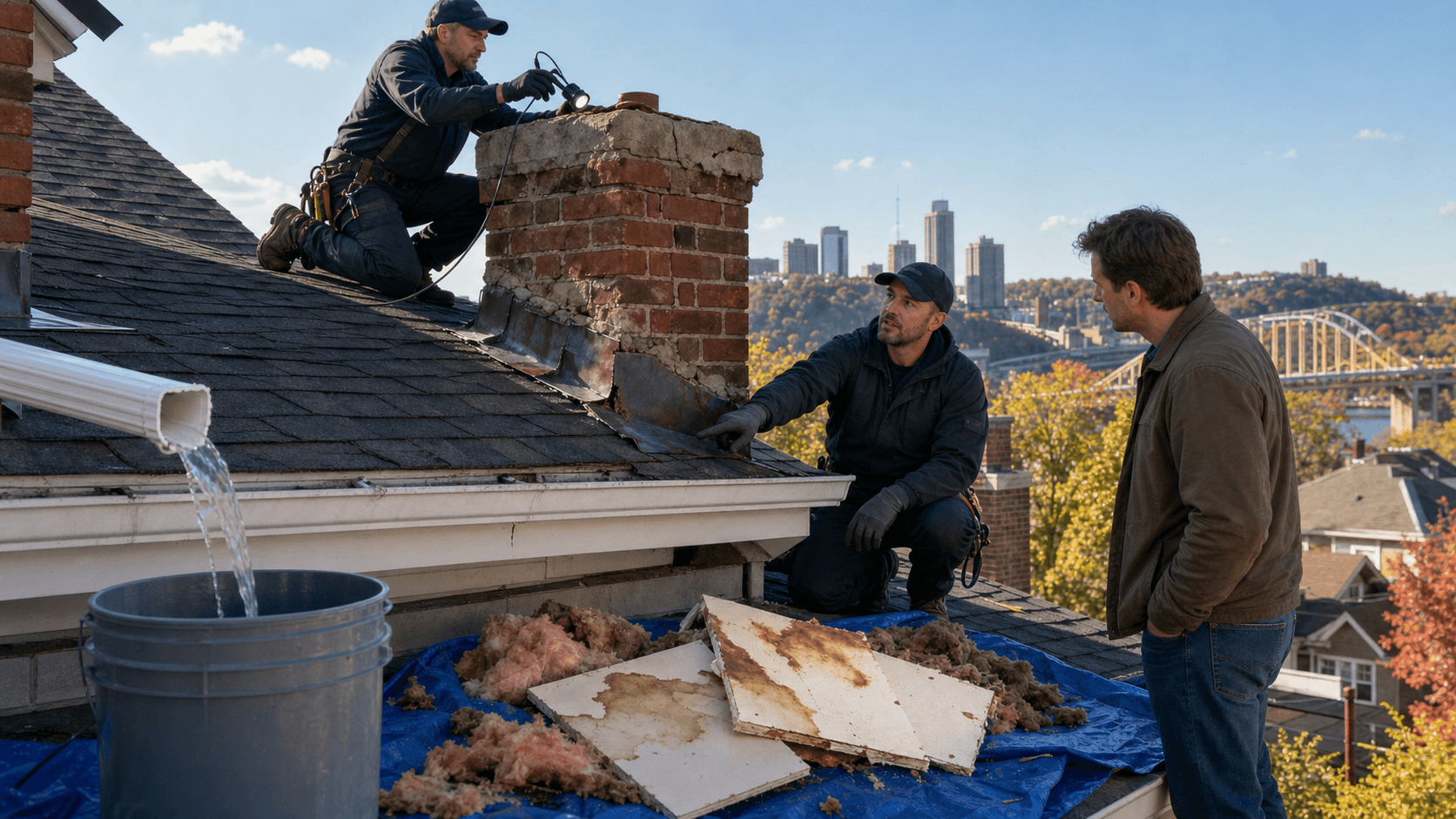
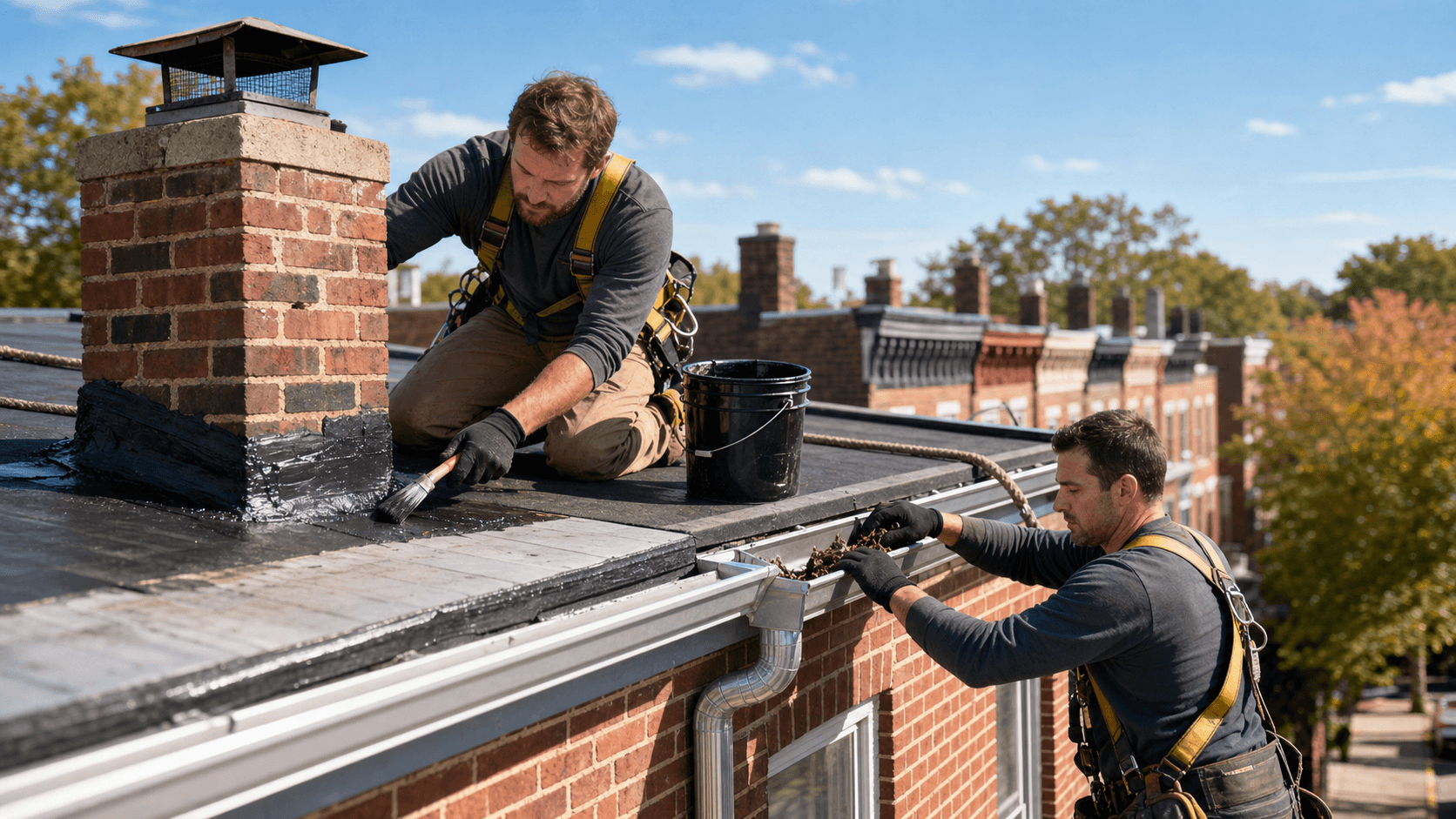
We may also point out signs of water entry, like staining or rust, since Pittsburgh's rain and snow can be hard on masonry, crowns, and flashing. If everything looks normal, a Level 1 inspection and any needed sweeping may be all you need that year.
Triggers That Require a Level 2 Chimney Inspection
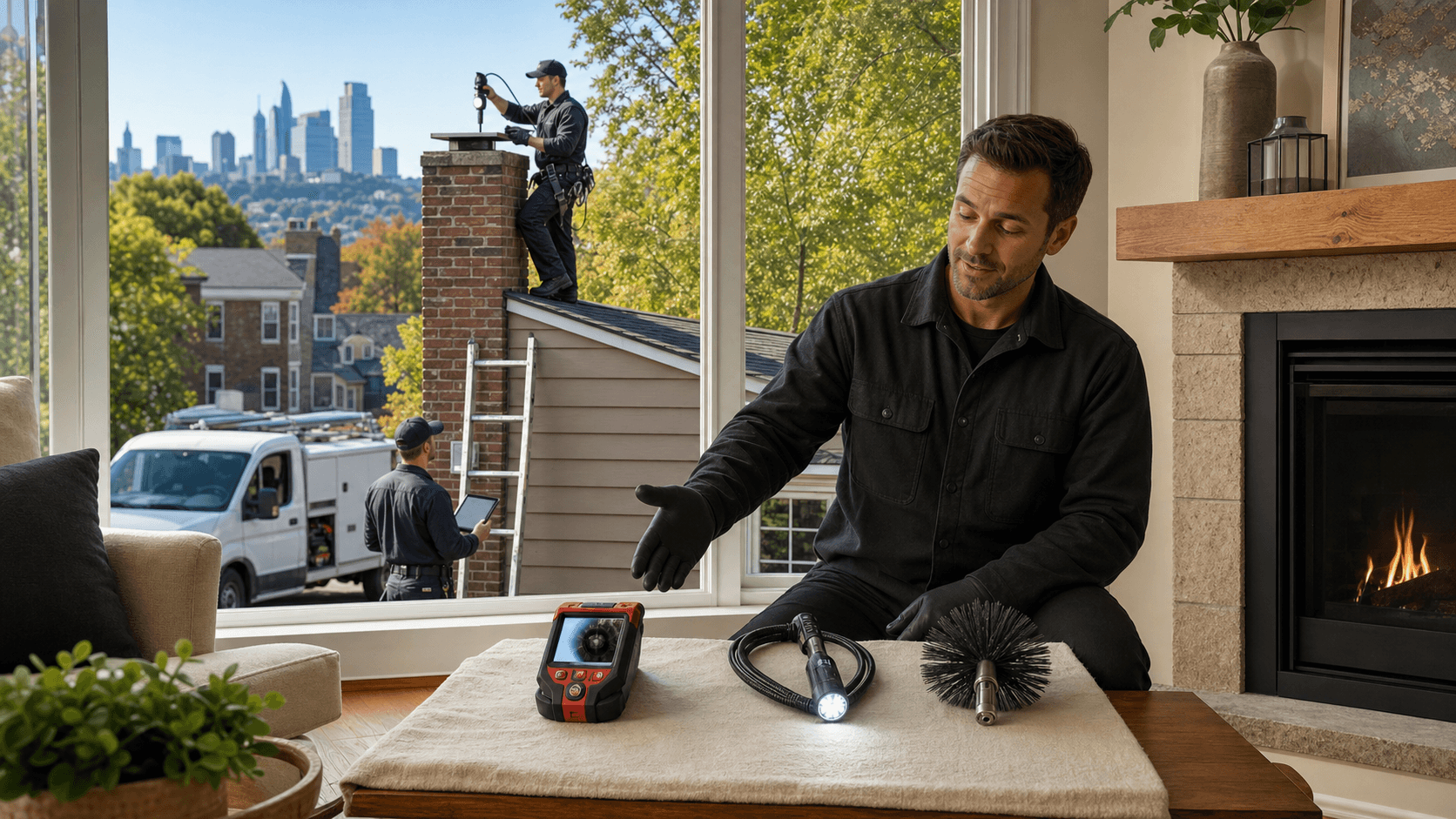
A Level 2 chimney inspection takes things a step further. It includes everything in a Level 1 inspection plus a video scan of the flue and a check of areas of the chimney that are accessible in attics, crawlspaces, and basements. We still do not open finished walls for a Level 2, but we look everywhere that can be reached without demolition.
Level 2 is needed when something about your situation has changed, or when there is extra risk that a Level 1 might miss. Common triggers for Level 2 in Pittsburgh homes include:
- Buying or selling a house
- Changing from wood to gas, or gas to wood
- Adding or replacing a stove, insert, or liner
- Major changes in how the system is used
You also may need a Level 2 if you notice:
- Smoke backing up into the room
- New or odd odors, especially after rain
- Brown or black stains on walls or ceilings near the chimney
Local weather plays a part here too. Chimneys that have taken heavy storm damage, strong winds, or lightning may hide cracks or shifted tiles inside the flue. Older masonry chimneys in historic neighborhoods are especially prone to worn liners and loose mortar that you cannot see from the room or the roof. A video scan during a Level 2 inspection lets us spot gaps, breaks, and misaligned tiles early so repairs stay smaller and less invasive.
Serious Damage and Safety Risks That Call for Level 3
A Level 3 chimney inspection is the deepest and most invasive type. It is used only when we have strong reason to think there is serious hidden damage that cannot be seen any other way. A Level 3 may involve removing parts of the chimney crown, interior components, or even small sections of walls or ceiling to see concealed areas.
Triggers for a Level 3 inspection usually include:
- A known or strongly suspected chimney fire, even if it did not spread
- Major building movement, such as settlement or a partial chimney lean
- A tree or large branch striking the chimney
- Significant water damage or signs of masonry collapse
- Persistent, unexplained problems that remain after a Level 1 or 2 inspection, such as heavy smoke odors, very poor draft, or major moisture issues
When we perform a Level 3 inspection on a Pittsburgh chimney, we take a careful, step-by-step approach. We explain what we suspect, what areas we need to open, and what that will involve inside or outside the home. The goal is to expose only what we must in order to fully understand the damage.
Once we see the full picture, we can recommend a repair plan that may include work on liners, masonry, crowns, and flashing. The end goal is always the same: to restore a safe, reliable chimney system that you can use with confidence when the temperature drops.
Your Next Step to a Safer Chimney in Pittsburgh
As a simple guide, many homeowners in the Pittsburgh area can think of chimney inspections this way:
- Routine yearly check with no changes or problems: likely Level 1
- Real estate transaction or appliance/fuel changes: likely Level 2
- Suspected fire, major damage, or ongoing serious issues: possible Level 3
Scheduling a fireplace chimney inspection in Pittsburgh in late spring or early summer gives you a head start. There is more time to inspect, repair, and clean before fall, and you are less likely to be stuck waiting when the first cold nights arrive. As a family-owned, CSIA-certified company, Chimney Fixers is here to help you understand which level of inspection fits your situation and to keep your home safe, warm, and ready for winter.
Get Started With Your Project Today
If you are ready to make sure your chimney is safe, efficient, and up to code, we are here to help at Chimney Fixers SEO. Schedule your fireplace chimney inspection in Pittsburgh and let our experienced team provide a clear assessment and practical recommendations. We will work with your schedule, explain our findings in plain language, and answer any questions you have along the way. If you prefer to reach out directly, you can contact us to talk through the next steps.