Planning a Chimney Rebuild in Pittsburgh After Winter Damage
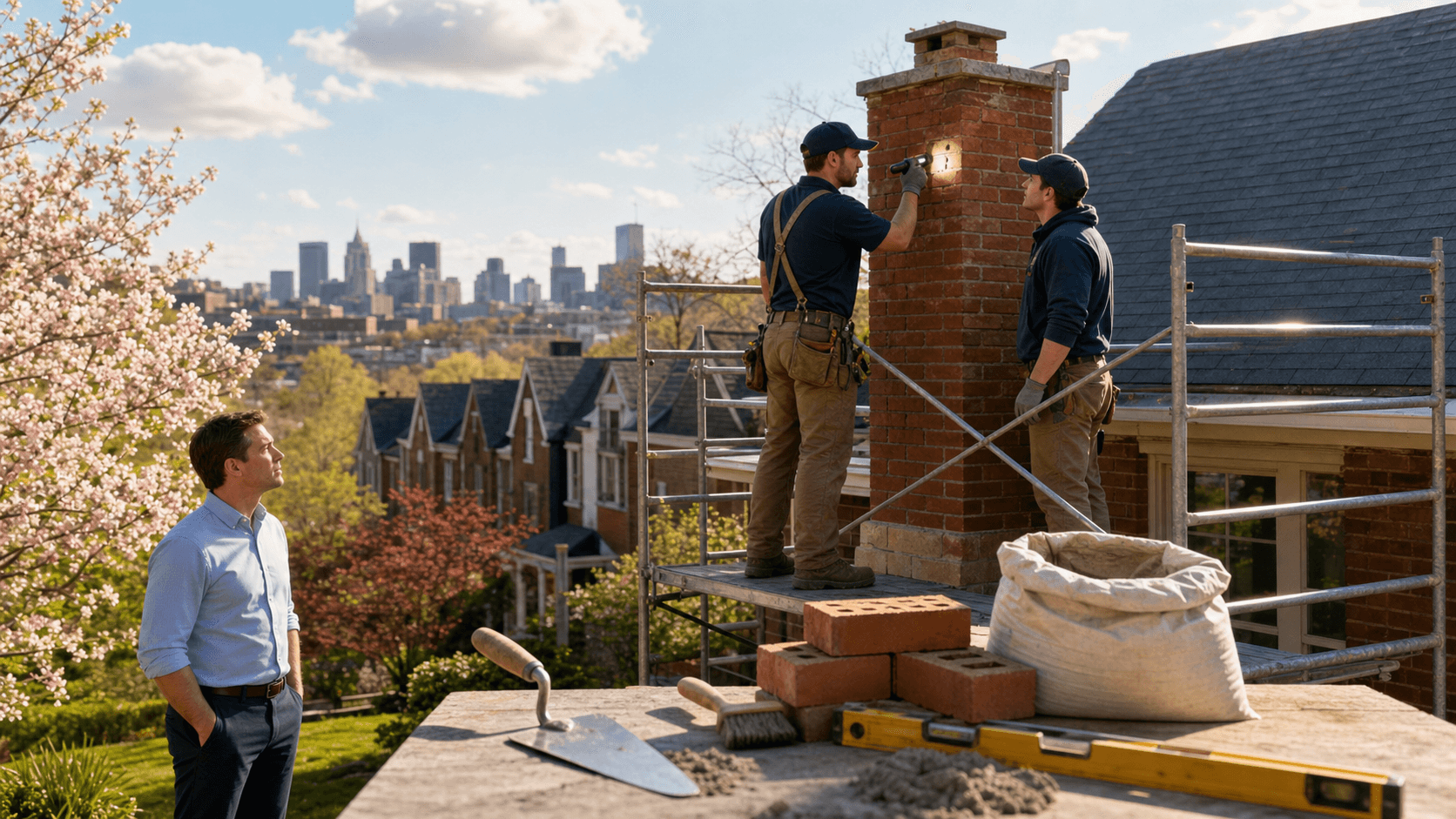
A rough winter can be hard on a house, and the chimney often takes the biggest hit. In the Pittsburgh area, freeze-and-thaw cycles, heavy snow, ice, and wind can slowly break down bricks, mortar, crowns, and liners. By the time the weather warms up, that damage can leave your home at risk and set you up for needing a chimney rebuild in Pittsburgh.
Spring is the perfect time to see what winter left behind. The roof is safer to access, there is less ice and snow in the way, and there is time to plan repairs before you need your heat again. Working with a local, CSIA certified, family-owned chimney company that knows Pittsburgh's climate and building styles can make the process smoother and help protect your home long-term.
Protect Your Home After a Tough Pittsburgh Winter
Pittsburgh winters are hard on masonry. Water seeps into tiny cracks in the brick and mortar. When that water freezes, it expands and pushes things apart. After many cycles of freezing and thawing, you can end up with loose bricks, missing mortar joints, broken crowns, and damaged liners that no longer keep heat and smoke where they belong.
Spring brings better weather for roof work and chimney inspections, which makes it easier to spot problems and get on a schedule before peak season. In particular, it is easier to:
- Spot damage that was hidden by snow and ice
- Schedule visits without weather delays
- Plan repairs before the fall rush and heating season
When you plan a chimney rebuild in Pittsburgh with a local, CSIA certified, family-owned team, you get people who understand the way homes here are built, from older brick row houses to newer suburban homes. That local experience helps match materials, fix long-standing moisture problems, and rebuild in a way that holds up better to our winters.
Spotting Winter Damage Before It Gets Worse
Winter damage does not always look dramatic at first. Many homeowners start noticing small changes as the weather warms up. Some warning signs include:
- Crumbling or missing mortar between bricks
- Spalling bricks that look flaked, broken, or pitted
- Loose bricks or pieces of brick on the roof or in the yard
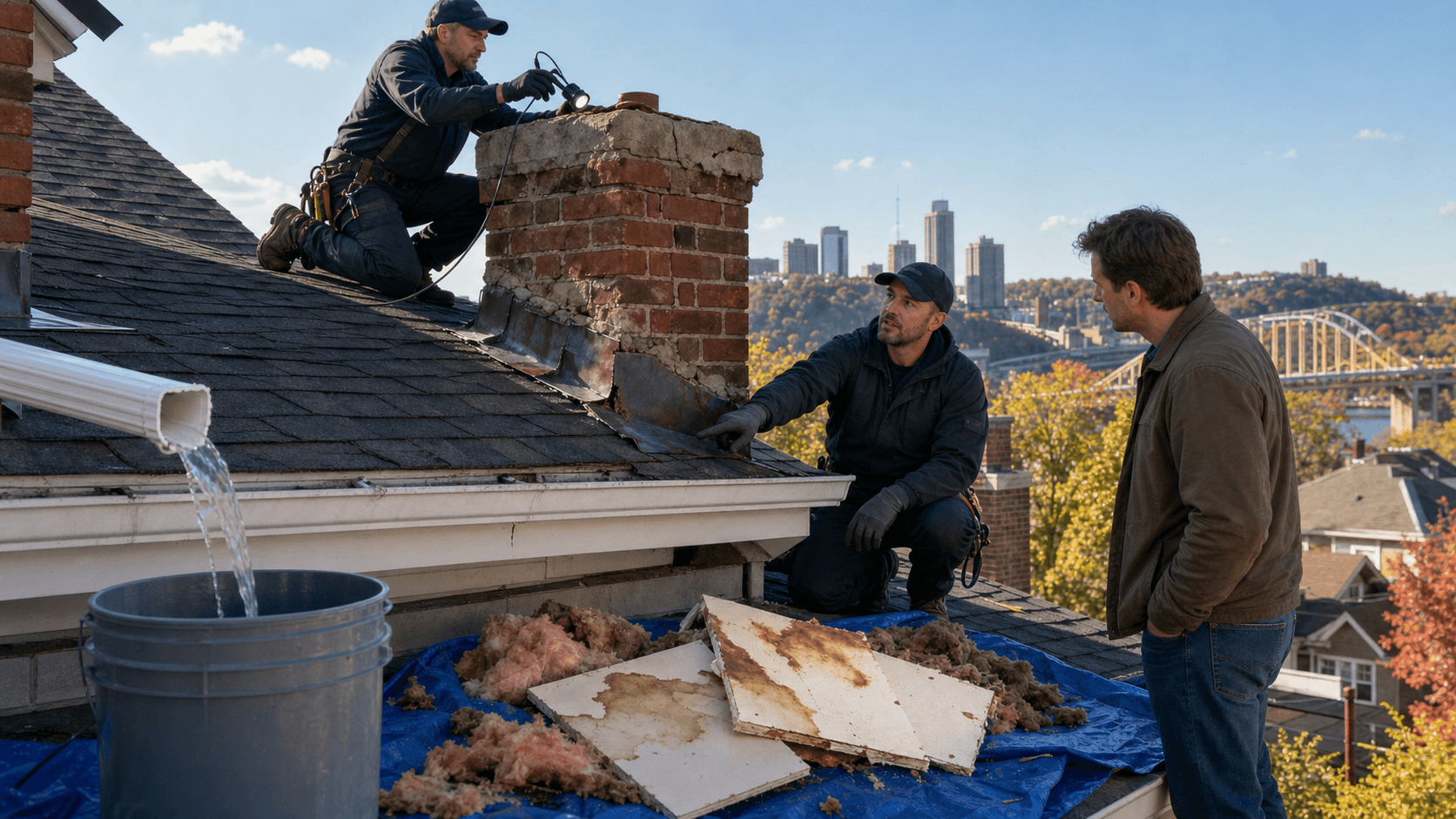
- Stains or damp spots on ceilings or walls near the chimney
- Musty or smoky odors, even when the fireplace is not in use
There are also safety red flags that should never be ignored:
- Smoke backing up into rooms when you use the fireplace or stove
- Visible gaps or cracks in the flue when you look up from the firebox
- Pieces of clay tile or metal liner falling into the firebox
- A chimney that looks like it is leaning or pulling away from the house
Even small signs can point to bigger problems inside the chimney structure. Water can make its way into the walls of your home, weaken brick and mortar, and damage the flue that is meant to contain heat and gases. If these issues are left alone, a chimney rebuild in Pittsburgh can become much more extensive and stressful later, often at the worst time, right when you want to use your heat.
What a Professional Chimney Rebuild Really Involves
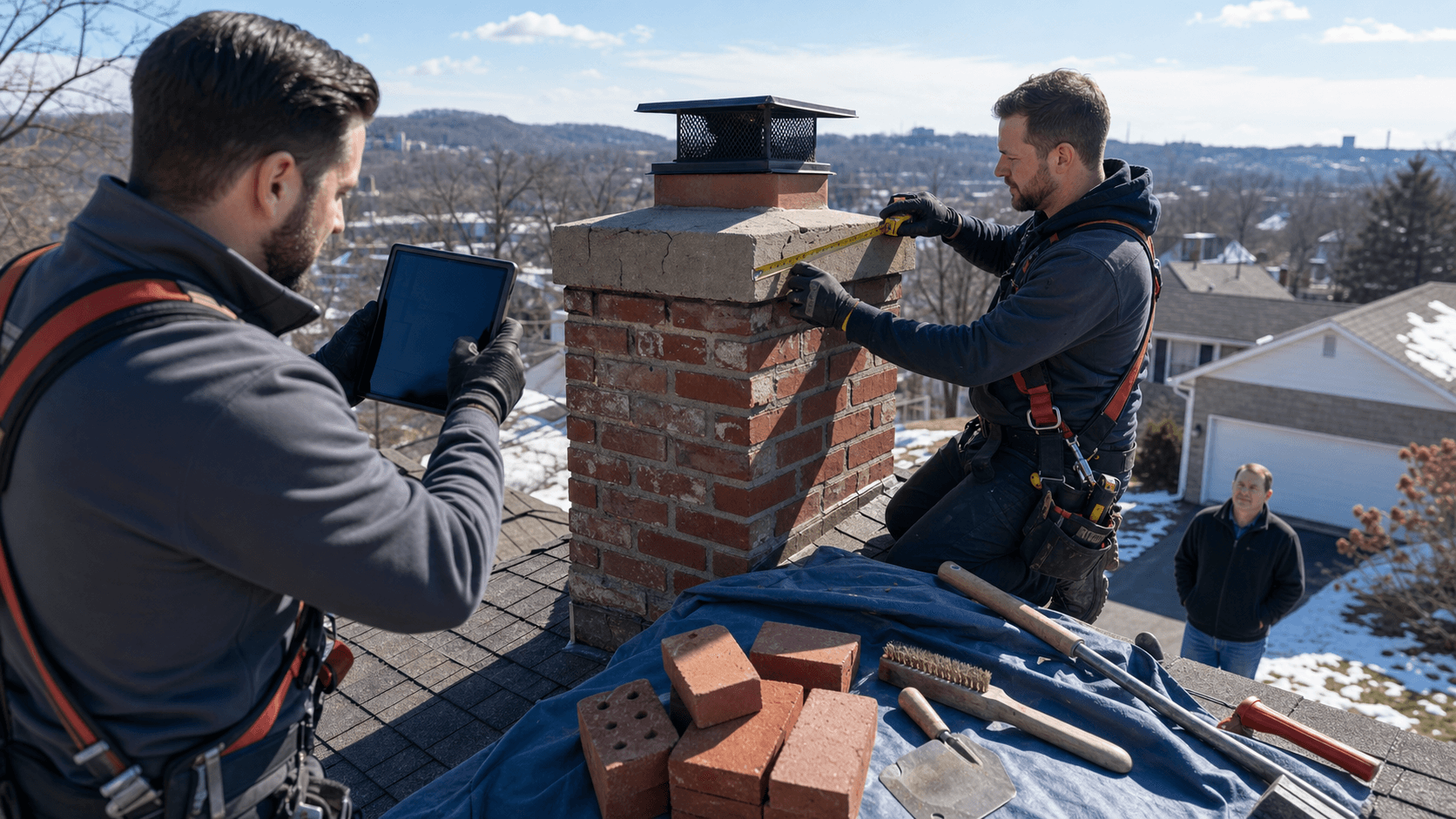
A proper chimney rebuild starts with a detailed inspection. A CSIA certified technician will examine the exterior masonry for cracks, gaps, and loose bricks, check the flashing where the chimney meets the roof for leaks, inspect the crown and cap for cracks or missing pieces, and use cameras or other tools to examine the flue from top to bottom.
Once the full picture is clear, the scope of work can be planned. Common types of rebuilds include:
- Partial rebuilds above the roofline when lower sections are sound
- Full rebuilds from the roof up when upper and visible areas are failing
- Complete tear-down and reconstruction if the structure is unsafe or unstable
A quality chimney rebuild in Pittsburgh is more than just stacking new bricks. It should include:
- Masonry that is well matched to your home and suited to local weather
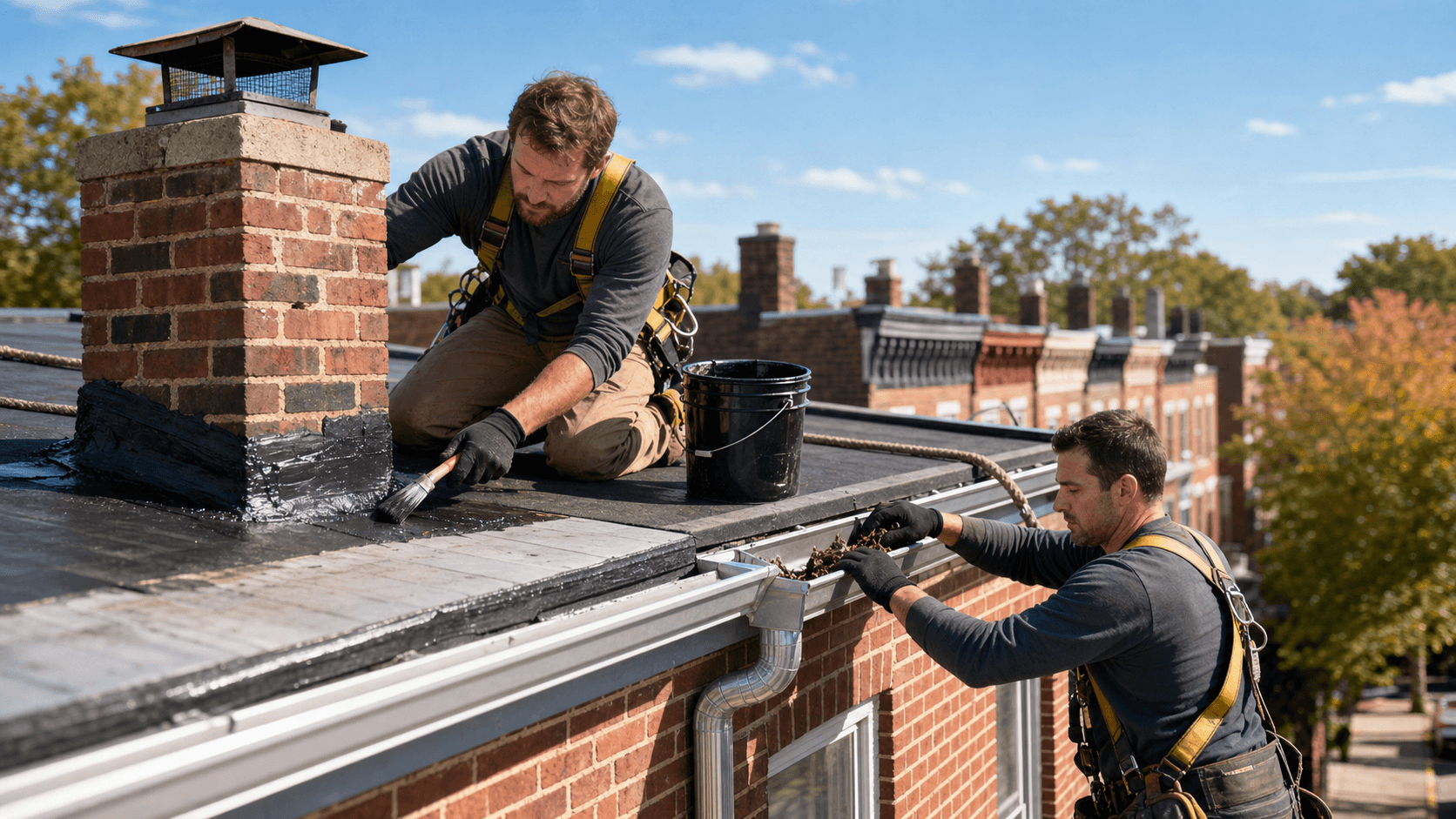
- Properly installed flashing that helps keep water from getting into your roof
- A correctly built crown that sheds water away from the chimney
- A safe, code-compliant flue system sized for your fireplace or appliance
Done right, the rebuild restores safety, improves performance, and can even boost curb appeal by cleaning up a tired, damaged chimney.
Budgeting and Timeline for Your Spring Rebuild
Planning ahead for a chimney project is easier when you understand what affects cost and timing. While every home is different, your budget is often influenced by how much of the chimney needs to be rebuilt, the height and location of the chimney and how easy it is to access, the types of brick, mortar, and liner materials used, and any related work, such as fixing the crown, cap, or flashing.
The timeline for a chimney rebuild in Pittsburgh usually has several steps:
- Initial inspection and written recommendations
- Time for any needed permits or approvals
- Scheduling and setup day for scaffolding or safety gear
- Tear-down of damaged sections and cleanup
- Rebuilding, including masonry, crown, and flashing
- Curing time for mortar and a final safety check
From the first inspection to the finished chimney, the process often takes anywhere from several days to a couple of weeks, depending on the scope of the work and the weather. To make planning easier, homeowners can:
- Arrange a spring inspection before the schedule fills up
- Review detailed written estimates so they understand the scope
- Ask about warranties on materials and workmanship
- Get work on the calendar before the busy late-fall season
Choosing the Right Chimney Expert in Pittsburgh
When you are facing winter damage, the company you choose matters. You want more than the lowest bid. Things that are especially important include:
- CSIA certification so you know your technician has industry training
- Proper insurance and licensing to protect you and your property
- Local experience with Pittsburgh's freeze-and-thaw cycles and older masonry
Good questions to ask a chimney professional include:
- How often do you handle chimney rebuilds similar to mine?
- Can you show examples or photos of past rebuilds?
- How do you match new brick and mortar to the existing home?
- What steps do you take to protect my roof, yard, and home during the job?
- What does your workmanship warranty cover, and for how long?
A family-owned company with CSIA certified technicians that works in Pittsburgh neighborhoods day in and day out understands the common patterns of winter damage here. That kind of team focuses on both safety and long-lasting masonry work, not just quick fixes.
Schedule Your Post-Winter Chimney Check Today
Late spring is a smart time to find and fix chimney problems that winter left behind. An inspection can reveal hidden damage inside the flue, under the crown, or behind the bricks that you might never see from the ground. Getting that information early helps you plan a chimney rebuild in Pittsburgh on your terms instead of rushing during the heating season.
Taking care of issues now can prevent water from getting into your home, reduce the odds of smoke or draft problems next winter, and let you spread out home maintenance projects over time instead of dealing with emergencies. A careful inspection, clear recommendations, and a customized rebuild plan give your chimney a fresh start before the next round of cold weather hits.
Get Started With Your Project Today
If your chimney is showing signs of serious wear, now is the time to schedule a professional evaluation and protect your home. At Chimney Fixers SEO, we invite you to explore our recent chimney rebuild in Pittsburgh projects so you know exactly what to expect. Then reach out through our contact page, and we will respond promptly to discuss your chimney, answer questions, and provide a clear path forward.