Summer Is the Smartest Time to Prep Your Fireplace
A cool fall night hits Pittsburgh, you flip open the damper, light that first fire of the season, and instead of cozy warmth you get smoke pouring into the room and a strong, sour smell. That kind of surprise is common when a chimney has been sitting all summer with buildup, moisture, or even a bird's nest inside. The good news is that it is very easy to avoid with the right planning.
Summer is actually one of the best times to handle fireplace cleaning in Pittsburgh. The weather is usually more stable, roof work is safer, and there is time to repair any issues before you really need heat. Even though you are not burning fires in June or July, your chimney is still up there dealing with rain, humidity, and aging materials.
Our family-owned team at Chimney Fixers focuses on chimney safety, cleaning, inspections, and masonry repair in the greater Pittsburgh area. We are CSIA certified, and we see the same summer chimney problems again and again. In this article, we will explain why your chimney still needs attention in warm weather, what summer cleanings include, and how to get your fireplace ready for a safe, stress-free fall.
Why Your Chimney Needs Care Even When It's Not in Use
When the last fire of winter burns out, many people simply close the doors and forget about the fireplace. The chimney, however, does not forget anything.
Leftover soot, creosote, and ash stay inside the flue and firebox. They do not disappear just because you have stopped using the fireplace. Over time, that residue can harden and cling more tightly to the liner. When that happens, a future cleaning can take longer and be more involved than it needed to be.
In humid Pittsburgh summers, stagnant soot and creosote can also create unpleasant smells. Warm, damp air drifting down the chimney can push those odors into your living room, even when the fireplace is not in use.
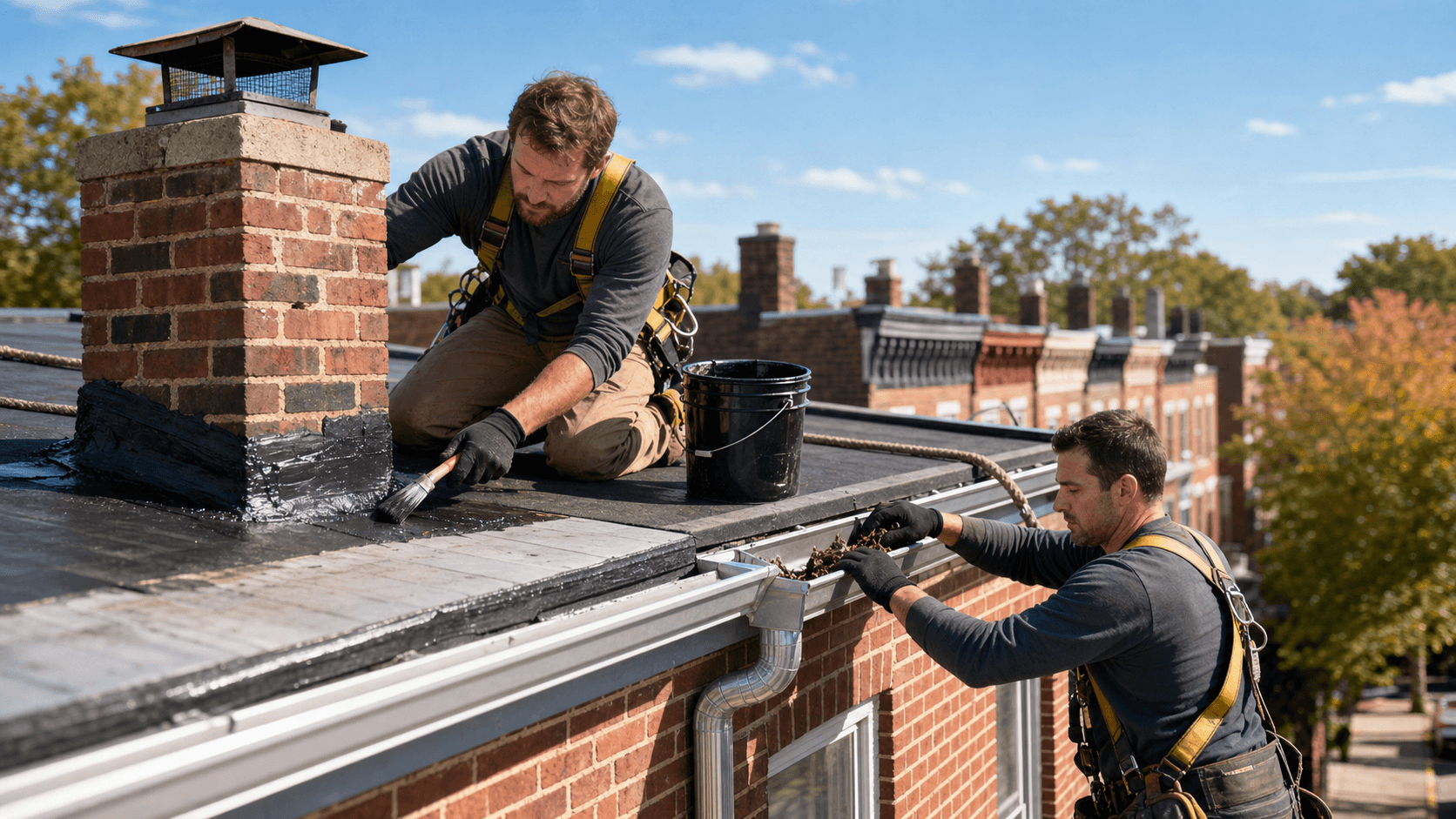
Moisture is another quiet problem. Summer storms, shifting temperatures, and steady humidity can take small cracks in brick, mortar, or flue liners and slowly make them worse. If water seeps past a worn chimney crown or a loose cap, it can lead to:
- Rusted dampers or metal components
- Stained walls or ceilings near the chimney
- Soft, crumbling mortar joints
- Long-term structural damage if ignored
Chimney caps and crowns are your first line of defense against water. When they fail or are missing, rain can move into the flue and masonry, then sit inside during hot months. Finding and fixing those issues in summer gives you time to repair brickwork before cold weather and freeze-thaw cycles return.
Wildlife is also very active in late spring and early summer. An unused chimney can look like perfect shelter to birds, squirrels, or other small animals. Nests, leaves, and twigs can build up quickly and clog the flue. If those blockages are still there at the first fall fire, they can cause smoke backup and even contribute to chimney fires.
A summer inspection helps uncover all of these hidden problems. Clearing animals, nests, and debris now means that when you do light that first fire, the smoke has a clear, safe path out of your home.
Summer Advantages for Fireplace Cleaning in Pittsburgh
Chimney professionals in our area get very busy as soon as the forecast starts calling for cooler nights. Schedules fill up fast, and emergency calls can pull crews away from regular appointments. When you plan fireplace cleaning in Pittsburgh during the summer, you usually get more flexible dates and shorter wait times.
There is another benefit, too. During the off-peak season, technicians often have more room in the day for detailed inspections and for answering questions. You are less likely to feel rushed, and there is time to talk through any concerns about draft, odors, or smoke.
Summer weather also helps the actual work. Dry, warm days make it safer and more effective to handle:
- Roof-level inspections
- Chimney crowns and caps
- Flashing checks around the base of the chimney
- Exterior masonry repairs
Mortar, sealants, and some repair materials cure more reliably in warm temperatures. That means repairs can be more durable over the long term. Good daylight and clear visibility help CSIA-certified technicians spot small cracks and gaps that might be harder to catch during shorter, colder days.
There is a comfort factor too. Removing creosote, soot, and debris in summer can cut down on smoky or musty smells that cling to soft furnishings. Clearing any hidden blockages supports better airflow, which can keep your firebox from becoming a pocket of hot, stale air. A clean chimney is one part of keeping your indoor air fresher all year.
What a Professional Summer Chimney Service Includes
A proper summer chimney visit should be thorough, not just a quick look and a light brushing. A typical safety-focused inspection often covers:
- Flue liner condition
- Damper operation and fit
- Chimney cap and screen
- Crown, brick, and mortar joints
- Flashing where chimney meets roof
- Firebox walls, smoke chamber, and hearth
There is a big difference between shining a flashlight up the flue for a minute and following CSIA standards for inspection. A trained technician knows how to look for early signs of fire risk, carbon monoxide concerns, or structural issues long before they turn into larger problems.
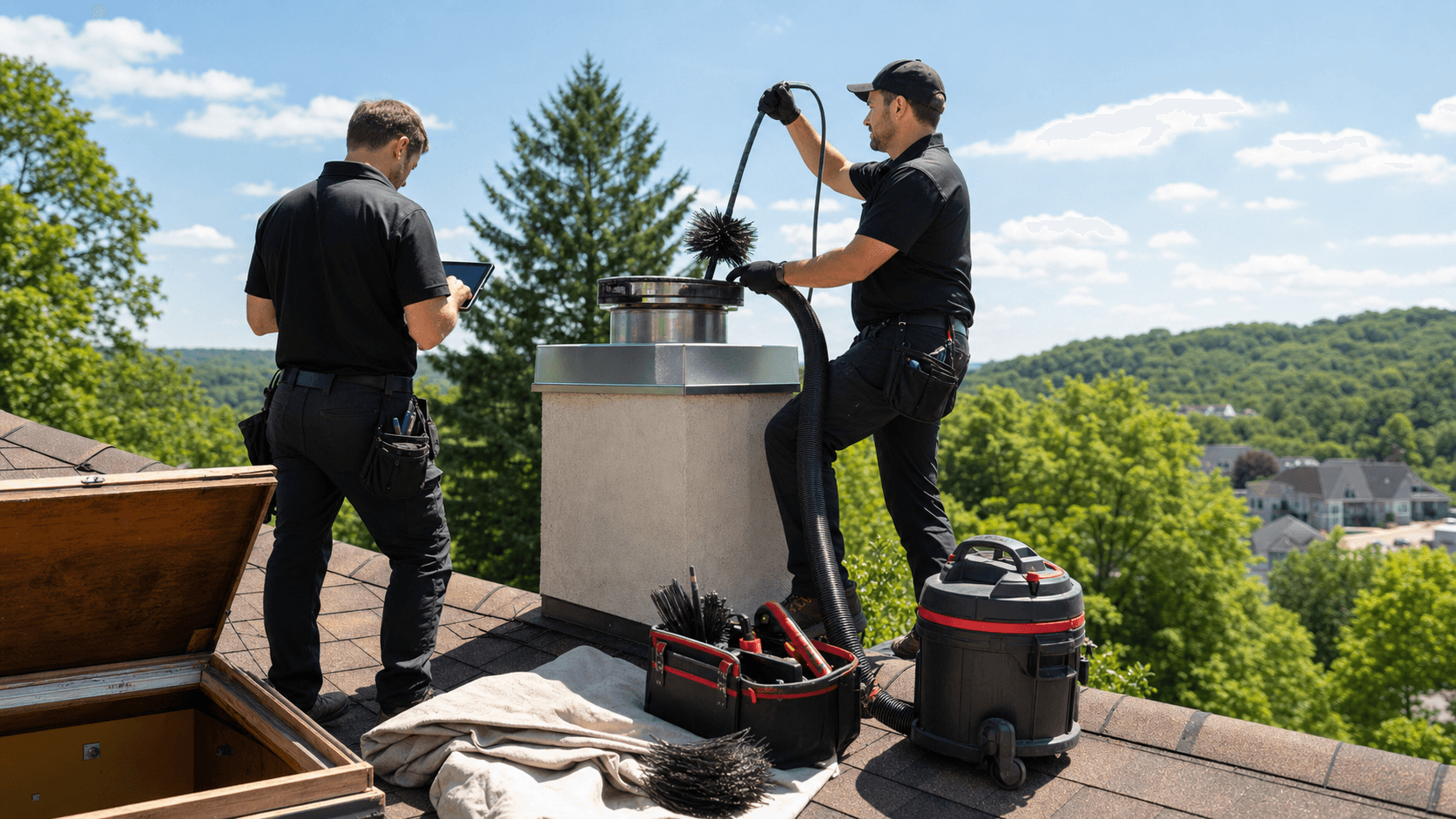
During fireplace cleaning in Pittsburgh homes, we use professional-grade brushes, rods, and vacuums to remove creosote and soot from the flue and firebox. We protect floors and nearby furniture, control dust as much as possible, and clean up the work area before we leave. When the flue is clean, your chimney can draft better, which usually helps fires burn more efficiently and reduces smoke in the room.
A good summer service also includes clear feedback. If we spot cracked bricks, a damaged crown, missing cap, or problems with the flue liner, we explain what is going on and why it matters. Preventive upgrades like installing a proper chimney cap, improving spark arresters, or sealing small cracks can often stop minor issues from growing into larger repairs later.
How to Get Your Pittsburgh Fireplace Ready for Fall Now
You do not need to do much before a professional arrives, but a few small steps help the visit go smoothly. Before your appointment, you can:
- Clear items away from the hearth and mantel
- Move fragile decor or electronics out of the immediate area
- Make sure pets are secured in another room
- Leave space in the driveway or near the house for equipment
We do not recommend DIY chemical logs or at-home brushing kits. These products can smear creosote, push debris into corners, or create a false sense of security. It is more helpful to keep things as they are and let a trained sweep handle the cleaning.
It is also smart to write down any issues you noticed last winter, such as:
- Smoke spilling into the room
- Strong odors after each fire
- Difficulty starting or keeping a draft
- Staining around the fireplace opening
Sharing that history helps us focus the inspection on likely problem areas.
When choosing a local chimney expert, look for CSIA certification, proof of insurance, and solid experience with Pittsburgh's housing styles and weather. A family-owned company that works in your area every day tends to understand the common masonry and draft issues in local homes. It is also reasonable to ask for clear written reports, photos of findings, and detailed explanations of any work that is recommended.
Over time, the best plan is to build a simple routine. For most homes, an annual chimney inspection and cleaning, timed in summer or early fall, keeps things running smoothly. Consistent care helps your chimney last longer, supports safer fires, and gives you peace of mind each time you light a log and settle in for the night.
Get Started With Your Project Today
If your fireplace is overdue for a thorough cleaning, we are ready to help restore both safety and comfort to your home. Explore examples of our fireplace cleaning in Pittsburgh to see the quality Chimney Fixers SEO delivers on every job. Then contact us to schedule your service and get a clear, upfront plan for your fireplace.