Keep Your Pittsburgh Brick Home Safer This Winter
Chimney relining in Pittsburgh is one of the most important upgrades you can make to an older brick home. When the flue inside the chimney fails, heat, smoke, and gases no longer travel where they should, and small hidden problems can suddenly turn into serious hazards.
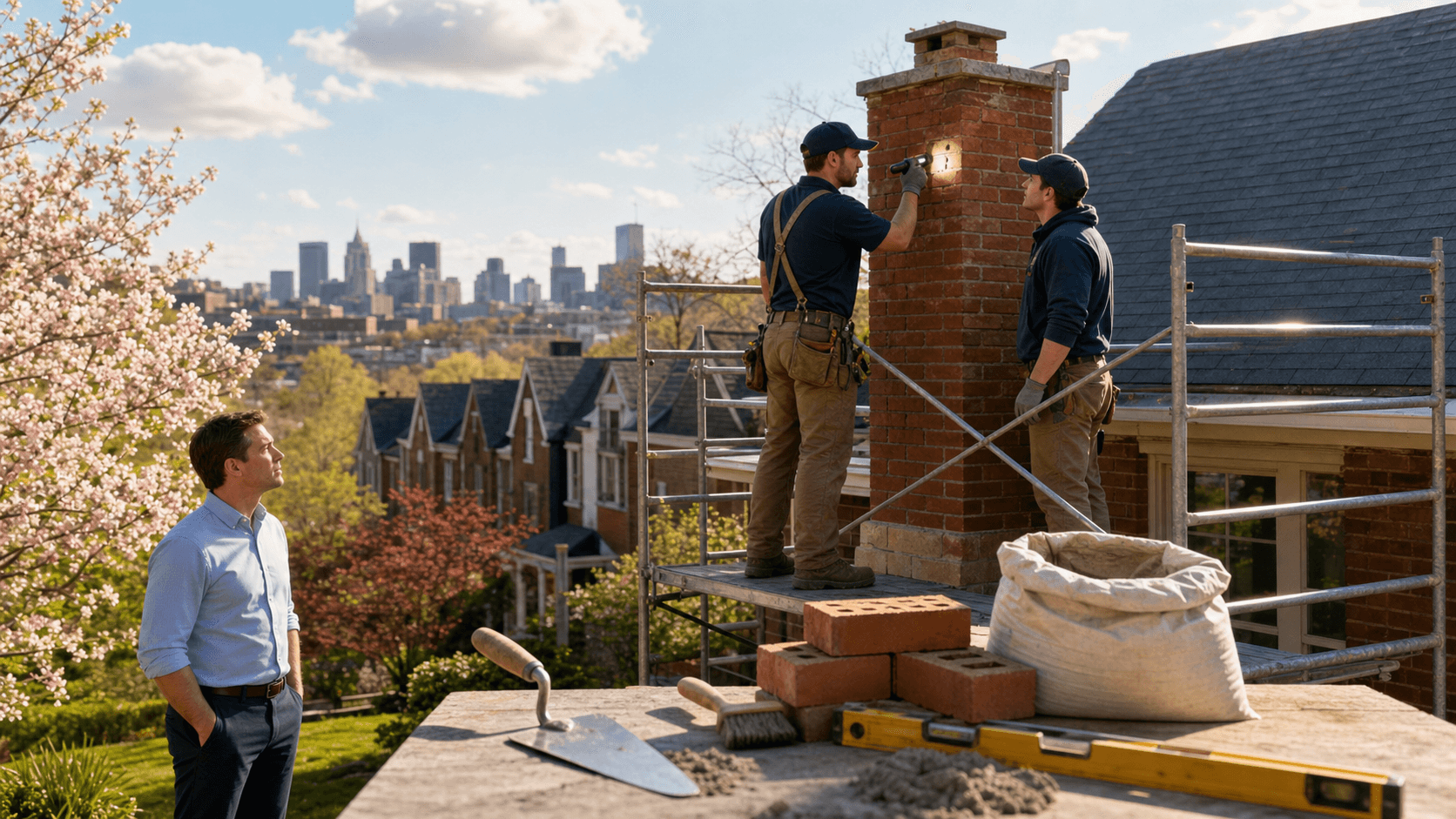
Many homeowners first notice trouble on a bitter cold night. The furnace is running hard, the fireplace is going, and there is a strange smoky smell in the living room. A proper chimney inspection finds cracked tiles and gaps inside the flue. Instead of a scary emergency later, a timely chimney relining fixes the problem and keeps the home safe and warm.
Older brick homes around Pittsburgh see years of heavy use, long winters, and constant freeze-thaw cycles. That mix is tough on masonry and on chimney liners. Relining is not just a "nice-to-have" project, it is a real safety upgrade that protects your family and your house.
Spring is a smart time to think about chimney relining in Pittsburgh. Weather is milder, masonry materials cure better, and schedules are more flexible before the fall and winter heating season ramps up again.
How Chimney Liners Protect Your Family and Home
Inside your brick chimney there should be a smooth inner passage called a liner. It acts like a protective sleeve that carries smoke and gases from your fireplace, wood stove, or furnace safely out of the house.
A good chimney liner helps by:
- Directing smoke, carbon monoxide, and other gases outside instead of into your living space
- Shielding the brick and mortar from high heat and corrosive byproducts
- Helping your appliance vent properly, which supports better drafting and cleaner burning
When the liner is damaged or missing, several things can go wrong. Carbon monoxide can leak through cracks and gaps into walls or rooms. Heat can reach wood framing that was never meant to get that hot, and this can raise the risk of a chimney fire. Moisture can also get into the masonry, which slowly weakens bricks and mortar.
Pittsburgh adds a few extra stress points. Our area sees:
- High humidity for much of the year
- Heavy rain and wet snow
- Many freeze-thaw cycles every winter
All of this wears on chimney materials over time. Moisture that sneaks into small cracks can freeze, expand, and make those cracks larger. Without a sound liner, that cycle speeds up damage to both the liner and the surrounding brick.
Common Chimney Liner Problems in Pittsburgh Brick Homes
Many older Pittsburgh homes have chimneys built with clay tile liners. Some have older metal liners. Some older brick chimneys were built without any liner at all. Over the years, changes to heating systems, such as switching from coal to oil to gas, can stress liners that were never designed for those fuels.
We often see:
- Cracked or missing clay tiles
- Gaps or misaligned tile sections
- Rust or corrosion on older metal liners
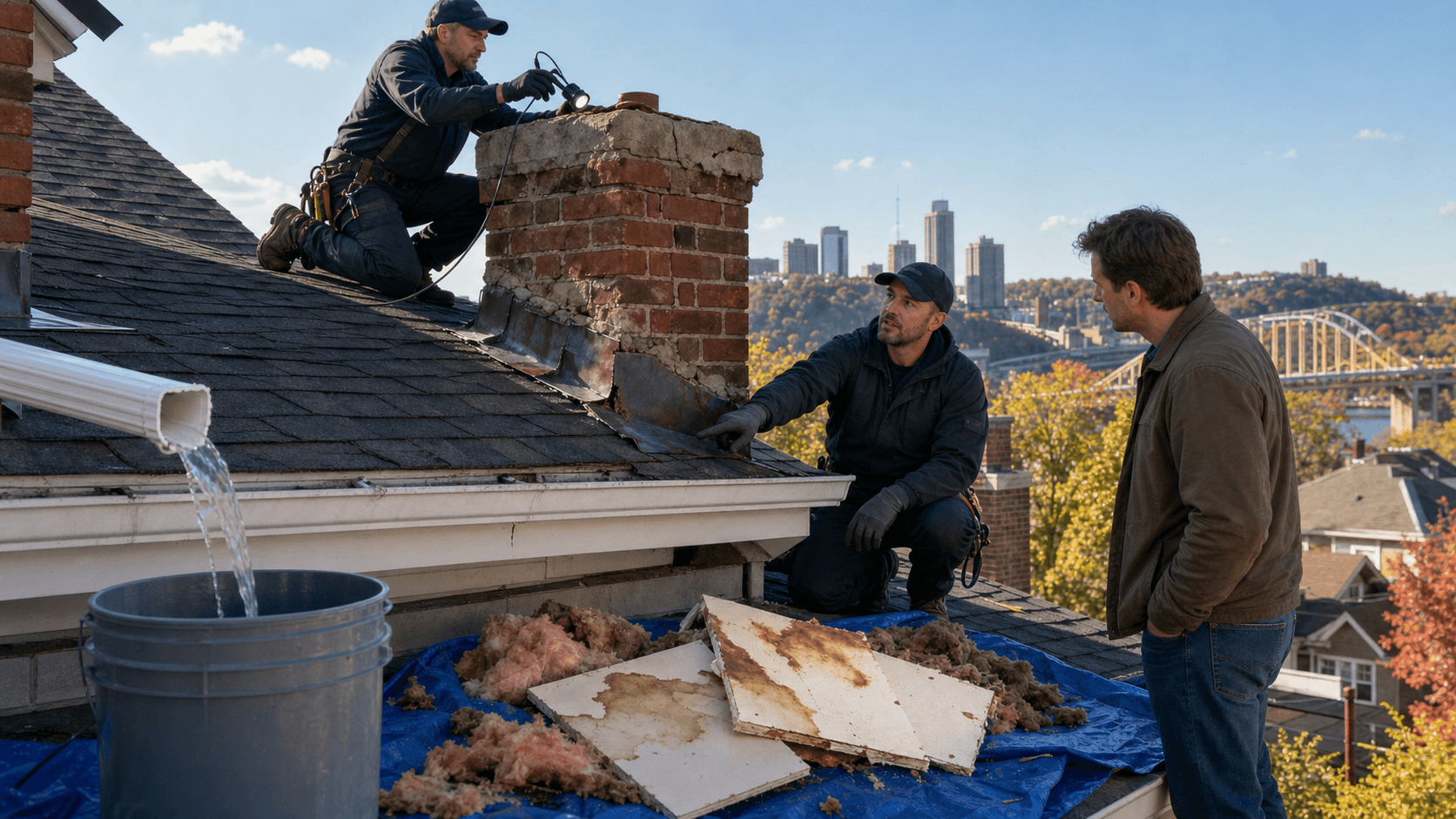
- Flaking tile or broken pieces falling into the firebox or clean-out
Our local weather and housing stock make these issues more common. Long heating seasons mean your chimney works hard for many months each year. Ice, snow, and constant temperature swings cause masonry to expand and contract. Older brick homes may also have some foundation settling, which can twist or shift the chimney slightly and add more stress to the liner.
All of this leads to liners that no longer provide a continuous, smooth, safe path for smoke and gases. That is when chimney relining in Pittsburgh becomes a smart and often necessary step.
When You Need Chimney Relining in Pittsburgh
Some warning signs are easy to see or smell, even for a homeowner who rarely looks up the flue. If you notice any of the following, your chimney liner may be in trouble:
- Smoky or fuel-like odors indoors, even when the fireplace is not in use
- Visible cracks, gaps, or missing sections in clay tiles when you shine a light up the flue
- Heavy or fast-building creosote deposits
- Crumbling tile or brick bits in the firebox or at the clean-out door
- Ongoing drafting issues, such as smoke spilling into the room or trouble getting a steady fire
The only way to know for sure what is going on inside the chimney is a professional inspection by a CSIA-certified chimney specialist. A proper inspection often includes a camera scan that runs up the full height of the flue. This lets a trained eye spot hidden gaps, cracks, or corrosion, and measure the flue correctly.
Spring and early summer are usually the best seasons to handle chimney relining in Pittsburgh. Weather is more predictable, masonry repair materials cure better, and you can get everything finished before the first cold snap has everyone trying to book chimney work at the same time.
Choosing the Right Chimney Relining Option
Not every chimney needs the same type of liner. The best choice depends on your fuel type, chimney height, and the condition of the existing masonry.
Common options include:
- Stainless steel liners
- Cast-in-place liners
- Replacement clay tile liner systems
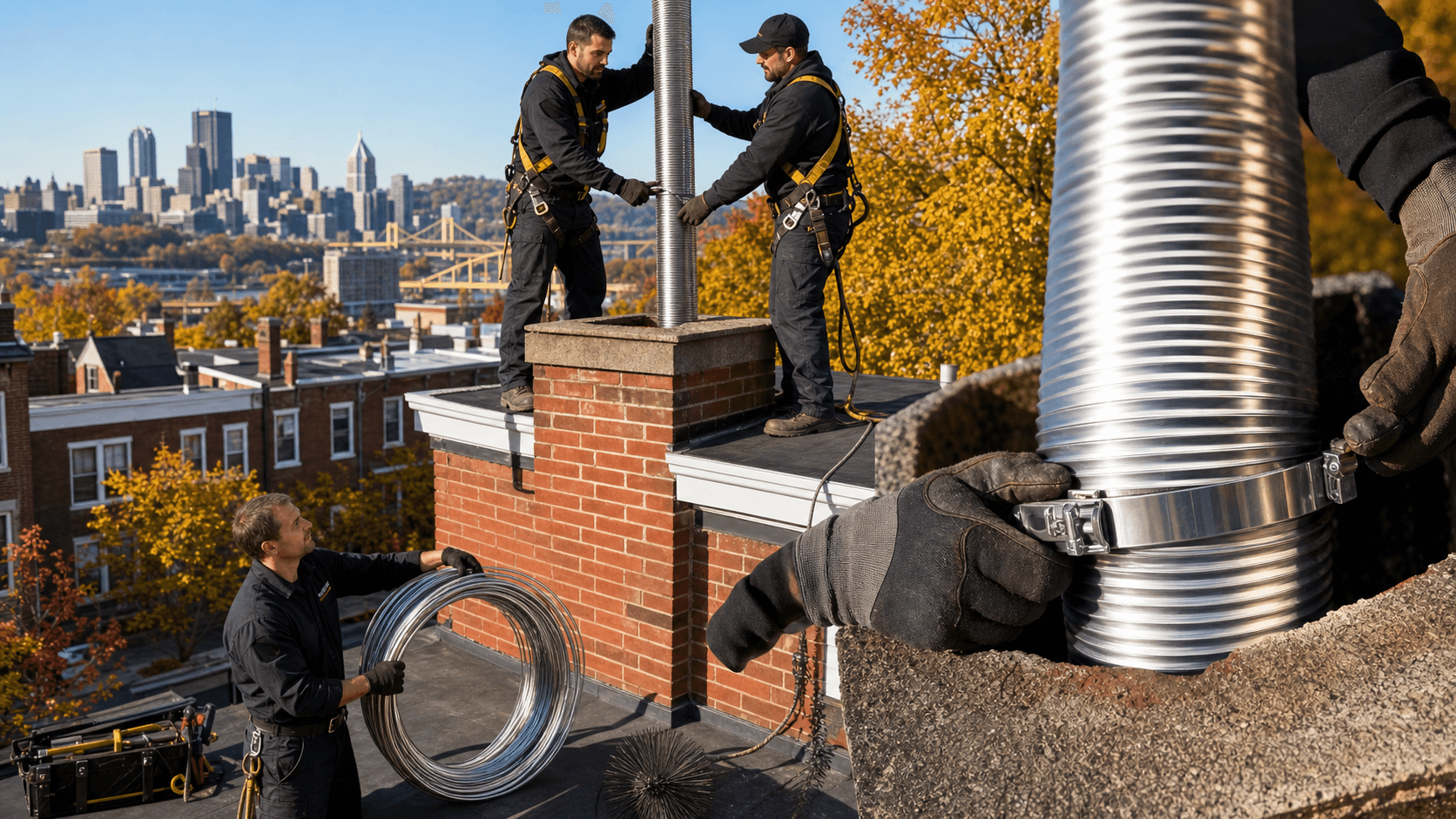
Stainless steel liners are often a strong choice for gas and oil appliances and for many older fireplaces. They offer good longevity, handle changing temperatures well, and resist corrosion from modern fuels. Flexible stainless steel can also fit inside flues that are not perfectly straight.
Cast-in-place systems form a new liner inside the old flue using a special casting material. This can help strengthen older masonry, but it may not be the best fit for every situation. Replacement clay tiles can work in some chimneys too, though they usually call for more extensive masonry work during installation.
An experienced local chimney company will match the liner size and material to:
- The specific appliance or fireplace
- The full height and layout of the chimney
- The current condition of the brick, mortar, and crown
Getting this fit right supports better draft, reduces condensation, and helps the system meet modern safety codes.
What to Expect From a Professional Relining Visit
Many homeowners are not sure what actually happens during a chimney relining project. While every home is a little different, the basic steps are usually similar.
A typical process includes:
- A detailed inspection and often a camera scan of the full flue
- Careful measurements to size the new liner correctly
- Thorough cleaning and prep so the new liner sits on a clean surface
- Installing the chosen liner system and securing it in place
- Sealing, insulating if needed, and making sure transitions to appliances are tight
- Final safety checks and draft tests
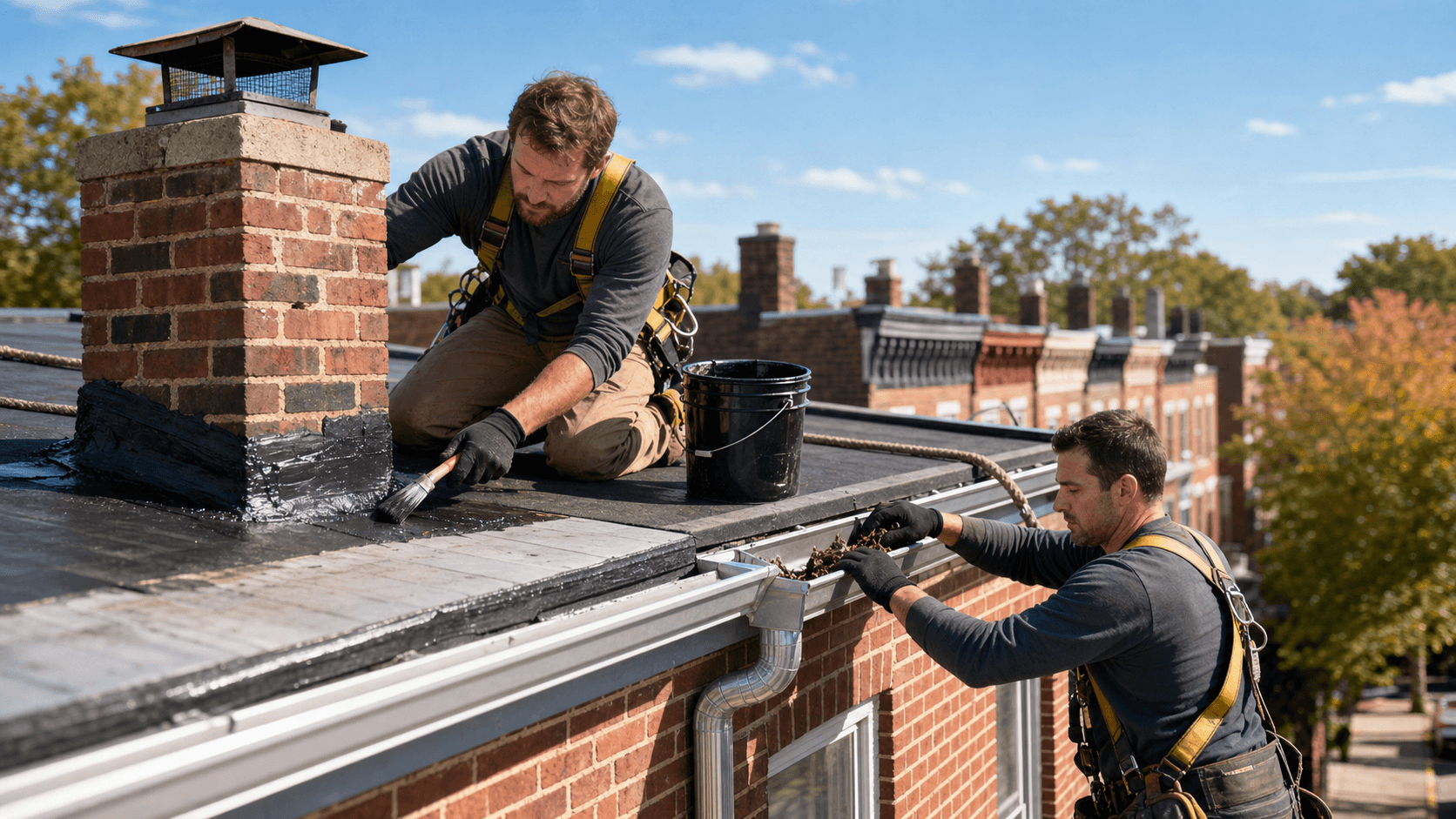
Quality companies take great care to protect your home. We use drop cloths, dust control methods, and safe practices when working on steep, older Pittsburgh roofs. Many standard relining projects finish in about a day, while more complex chimneys that need extra masonry repair can take longer. When the job is done, you should receive documentation, such as photos and notes, along with warranty details on the liner and workmanship.
Planning chimney relining in Pittsburgh ahead of cold weather brings real peace of mind. With a sound liner in place, your brick home is better protected from hidden heat, moisture, and fumes every time you light a fire or your furnace kicks on.
Protect Your Home With Reliable Chimney Relining Today
If you are ready to solve draft issues, improve safety, and extend the life of your chimney, our team at Chimney Fixers SEO is here to help. Take a look at recent projects and see how we handle chimney relining in Pittsburgh so you know exactly what to expect. When you are ready to schedule an inspection or request a quote, simply contact us and we will follow up promptly.