Protect Your Pittsburgh Home with Timely Chimney Repointing
Chimney repointing sounds technical, but it is really just fixing the mortar joints between the bricks or stone on your chimney. Over time, that mortar breaks down and falls out leaving gaps where water can sneak in and cause trouble. Repointing means removing the bad mortar and packing in fresh, strong mortar so your chimney stays solid and dry.
For Pittsburgh homeowners, this matters a lot. Our area sees frequent freeze-thaw cycles, plenty of rain, and lots of older homes with aging masonry. All of that is hard on chimneys. When mortar joints fail, you are more likely to get leaks, loose bricks, and even smoke and draft problems inside your home.
Timely chimney repointing helps you:
- Prevent water leaks before they get inside your walls
- Preserve the structure of your chimney and avoid bigger repairs
- Keep your fireplace working more safely and efficiently
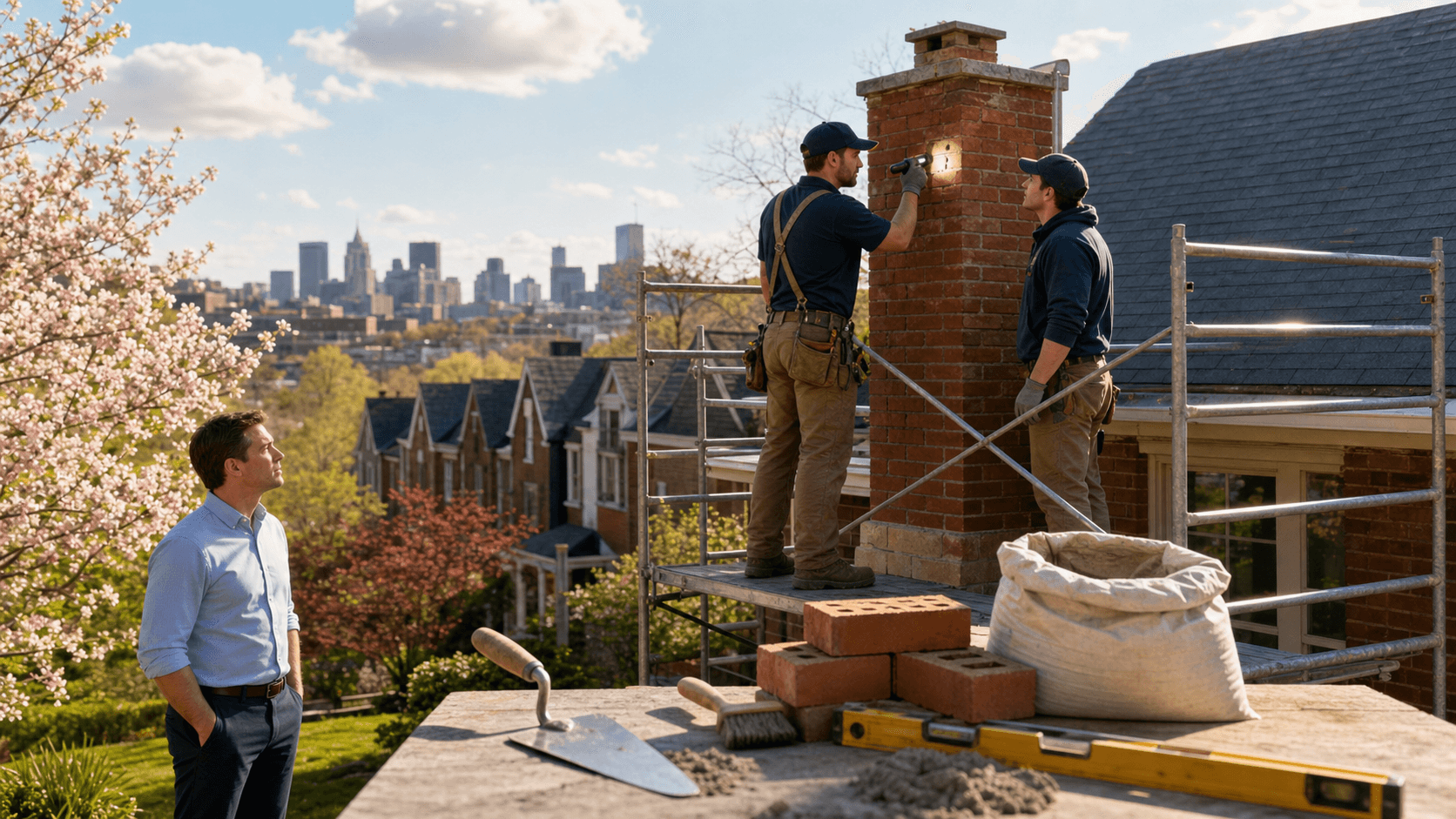
Late spring through early fall is usually the best window to handle chimney repointing in Pittsburgh. Temperatures are more stable, there is less risk of mortar freezing while it cures, and your chimney can be ready before you start using the fireplace again in cold weather.
How Mortar Damage Starts on Pittsburgh Chimneys
Mortar does not fail overnight. It breaks down slowly as your chimney faces years of weather and use. Age is part of it, but moisture and temperature swings are the real troublemakers.
Here is what often happens:
- Mortar starts to crumble or turn sandy
- Hairline cracks form between bricks
- Gaps open up along joints
- Brick faces start flaking or "popping" off
In the Pittsburgh area, we see a lot of moisture from rain and snow. Add lake-effect moisture, ice, and de-icing salts around the roofline, and your chimney is under steady attack. Water is always looking for tiny cracks in mortar and brick.
When that water seeps into small openings and temperatures drop, it freezes and expands. Each freeze-thaw cycle pushes on the mortar and the brick. Over time, the joints get looser and bricks can slowly shift out of place.
A few common issues that speed up mortar damage are:
- Missing or damaged chimney caps that let rain pour straight in
- Cracked or crumbling chimney crowns that hold standing water
- Poorly sloped or aging flashing where the chimney meets the roof
- Old spot repairs done with the wrong type of mortar
Warning Signs Your Chimney Needs Repointing
You do not have to climb on the roof to spot early signs that your chimney may need repointing. Many clues show up on the outside walls of the chimney.
- Visible cracks running along or across mortar joints
- Missing chunks of mortar or joints that look wider than others
- Tiny plants or moss growing out of the joints
- Powdery white stains on the brick, called efflorescence
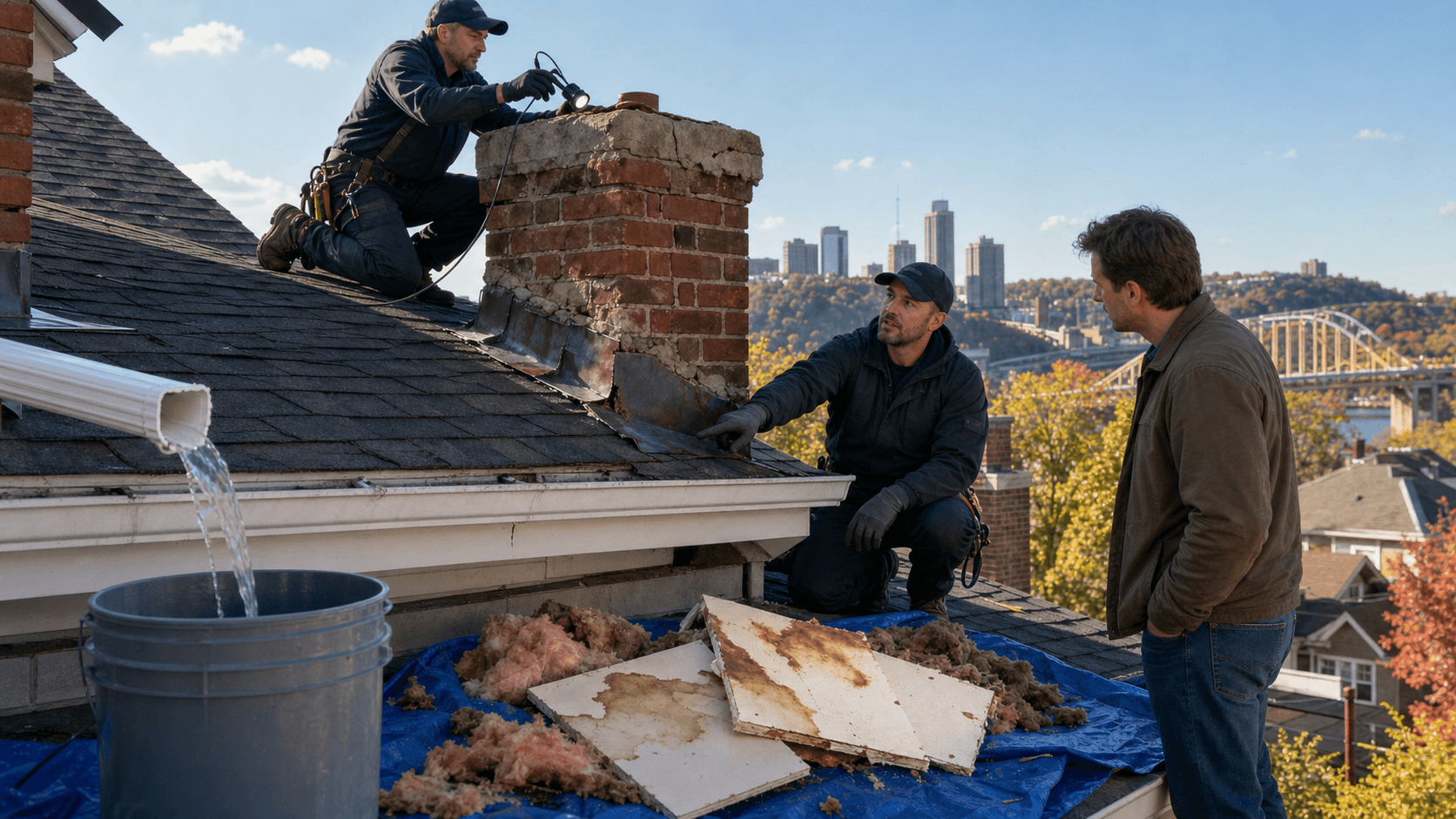
Your home may also give you hints from the inside. After heavy rain, do you notice musty odors near the fireplace or in the attic around the chimney? Do you see water stains on ceilings or walls near the chimney chase? Dampness in the firebox or bits of mortar and brick falling into the fireplace are also warning signs.
Some issues can point to bigger safety or performance problems:
- Leaning, tilting, or bulging sections of chimney
- Loose bricks that move when touched
- Smoky odors in the house or poor draft
- More debris than usual during a chimney cleaning
Not every crack means a major repair, and not every older chimney needs a full rebuild. A CSIA Certified chimney technician can inspect the structure and tell the difference between normal wear that repointing can fix and deeper structural damage that may need more extensive masonry work.
What Really Happens During Chimney Repointing
Many people are surprised by how detailed good chimney repointing is. It is much more than just smearing new mortar over the old joints.
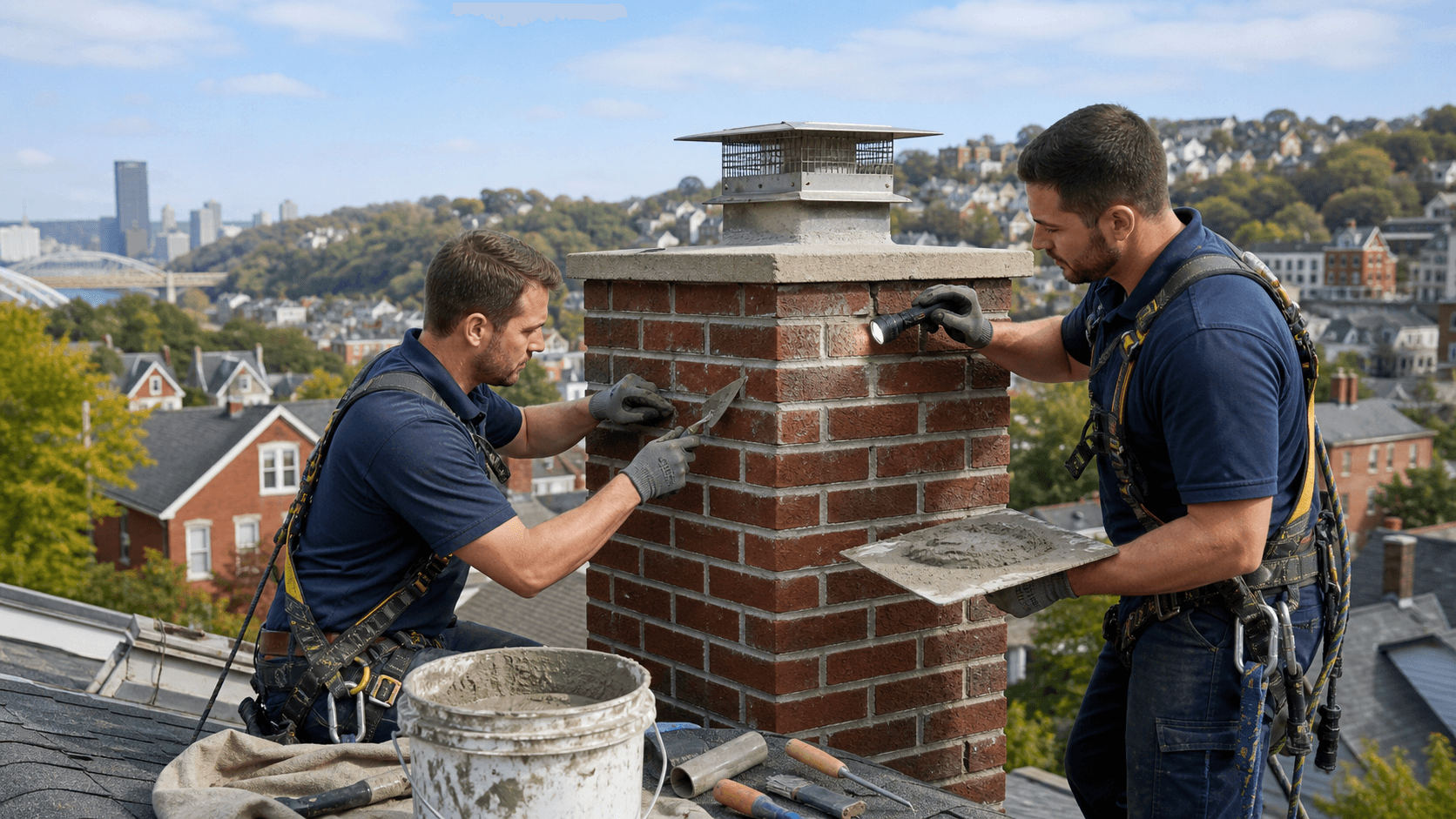
A typical repointing job includes:
- A thorough inspection of the chimney from top to bottom
- Setting up safe roof and ladder access
- Carefully grinding or chiseling out deteriorated mortar to the correct depth
- Cleaning out dust and debris from the joints
Once the old mortar is removed and the joints are clean, the mason prepares new mortar. Matching the original mortar matters for both looks and performance. On older Pittsburgh homes, many chimneys were built with softer, lime-based mixes. Modern cement mortars are harder, so using the wrong type can cause brick damage over time. An experienced pro will match:
- Color and shade so repairs blend with the existing brick
- Texture and joint style so it looks original
- Hardness and composition so the new joints move properly with the masonry
The new mortar is packed into the joints in layers, making sure there are no gaps or air pockets. Then the joints are tooled to the right profile, so water sheds away from the chimney instead of sitting on the surface. The fresh work is protected while it cures so wind, sun, or sudden rain do not damage the new mortar.
Often, repointing is combined with related chimney repairs, such as:
- Repairing or replacing a damaged crown
- Adding masonry waterproofing to help control moisture
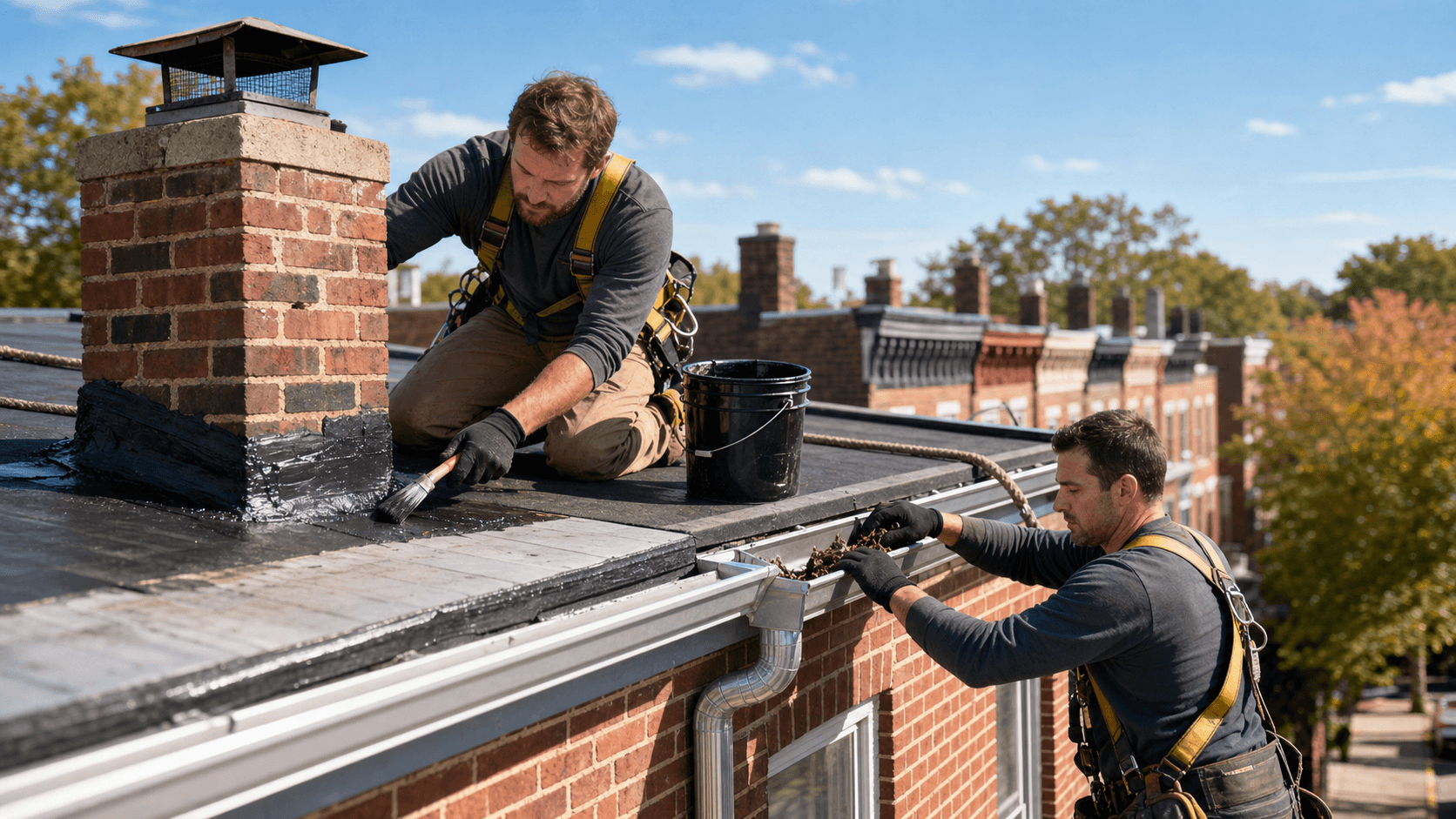
- Fixing or improving flashing where the chimney meets the roof
- Installing or upgrading a chimney cap to keep out water and debris
Why DIY Chimney Repointing Can Cost You More
Chimney repointing can look simple from the ground, which tempts some homeowners to try it on their own. The problem is that small mistakes on a chimney can lead to bigger, more expensive damage later.
Common DIY risks include:
- Using the wrong tools and cracking surrounding brick faces
- Cutting too shallow, so bad mortar stays hidden behind new mortar
- Cutting too deep and weakening the structure of the wall
- Leaving micro-cracks that let in even more water
Using the wrong mortar is another big issue. If the new mortar is harder than the original brick, the brick will take the stress. That can cause spalling, where the surface of the brick pops off. Mismatched color and sloppy joints can also hurt curb appeal, and smearing mortar across brick faces can be hard to fix.
Safety is a serious concern as well. Working at height on steep roofs, handling tools on ladders, and walking around aging masonry all carry real fall-and-collapse risks. Older chimneys can have hidden weaknesses that are not obvious until weight or vibration is put on them.
When a CSIA Certified and insured chimney specialist handles the job, you get trained eyes on the structure, proper tools and materials, and work that follows local codes. Quality documentation of the repairs is also useful when it is time to sell your home.
Best Time of Year for Chimney Repointing in Pittsburgh
For chimney repointing in Pittsburgh, timing matters almost as much as technique. Mortar needs moderate temperatures and the right moisture levels to cure correctly.
Late spring, summer, and early fall are usually the best seasons because:
- Temperatures are more stable, not too hot and not below freezing
- New mortar can cure without constant freeze-thaw stress
- Adhesion is better when masonry is not soaked or covered in ice
Planning repointing during these months gives you time to address any related masonry, crown, or liner issues before you rely on your fireplace or stove in cold weather. It also lets you work around:
- Contractor availability, since fall can book up fast
- Rainy stretches that might slow outdoor masonry work
- Scheduling inspections and cleanings in the same general window
Wet or very cold weather can affect how mortar cures and how strong it becomes. A reputable professional will choose suitable weather windows or use approved coverings and methods to protect fresh work so your chimney repointing holds up for the long term.
Get Started With Your Project Today
If you are ready to protect your masonry and extend the life of your chimney, our team at Chimney Fixers SEO is here to help. Explore our recent chimney repointing in Pittsburgh projects to see the level of detail and craftsmanship you can expect. Then contact us to schedule an inspection and get a clear, straightforward plan for your chimney repairs.