Why Hiring a Certified Chimney Sweep in Pittsburgh Matters
Regular chimney care is about more than keeping soot under control. In Pittsburgh, where we see long heating seasons, heavy moisture, and plenty of freeze and thaw cycles, your chimney takes a real beating. Brick, mortar, and metal parts all react to temperature swings and moisture, which can slowly turn small cracks into real safety problems. A certified chimney sweep helps catch those issues early so your home stays warm and safe.
When we say "certified," we are talking about technicians who have earned and maintain CSIA certification. That means tested knowledge, ongoing education, and a clear code of ethics and safety. A basic chimney cleaner may remove some soot, but a certified chimney sweep in Pittsburgh is trained to look at the whole system, spot hidden damage, and follow standards that help protect your home and family.
When you hire a certified sweep, you can expect a professional process from start to finish. That includes a safety-focused inspection, careful sweeping, clear photos and written notes, and honest recommendations. You should walk away knowing exactly what is going on inside your chimney, what is safe to use now, and what might need repair.
How to Prepare for Your Chimney Sweep Visit
In our area, timing your chimney appointment around the seasons makes life easier. Many homeowners like to book in late spring. By then, the heating season is winding down, and schedules are usually more flexible. It is a great time to spot and fix damage from the winter before moisture and heat have another chance to make things worse.
Even if you did not use your fireplace much, an annual inspection still matters. Chimneys can collect moisture, animal nests, and loose masonry even when they sit "unused." That can lead to blockages, odors, and leaks that you may not notice right away. A yearly check keeps small issues from turning into major repairs.
Before your sweep arrives, a little prep helps the visit go smoothly:
- Clear about 4 to 6 feet of space around the fireplace or stove
- Move breakable items and light furniture away from the area
- Keep pets and kids in another room while work is being done
- Avoid using the fireplace, stove, or any appliance on that chimney for at least 24 hours so it is cool and safe to inspect
You can also ask a few questions ahead of time so you know what will happen. Helpful things to confirm include:
- CSIA certification and proof of insurance
- Experience with Pittsburgh homes and local chimney styles
- What inspection level is planned and if sweeping is included
- Whether a basic camera check and written report are part of the visit
- How long the appointment usually takes
What Happens During a Professional Chimney Inspection
A certified chimney sweep starts with a simple conversation. We ask how often you use the fireplace or stove, if you notice smoke backing up, strange odors, water on the hearth, staining on walls, or if any repairs have been done in the past. This helps us know where to focus and which areas might need extra attention.
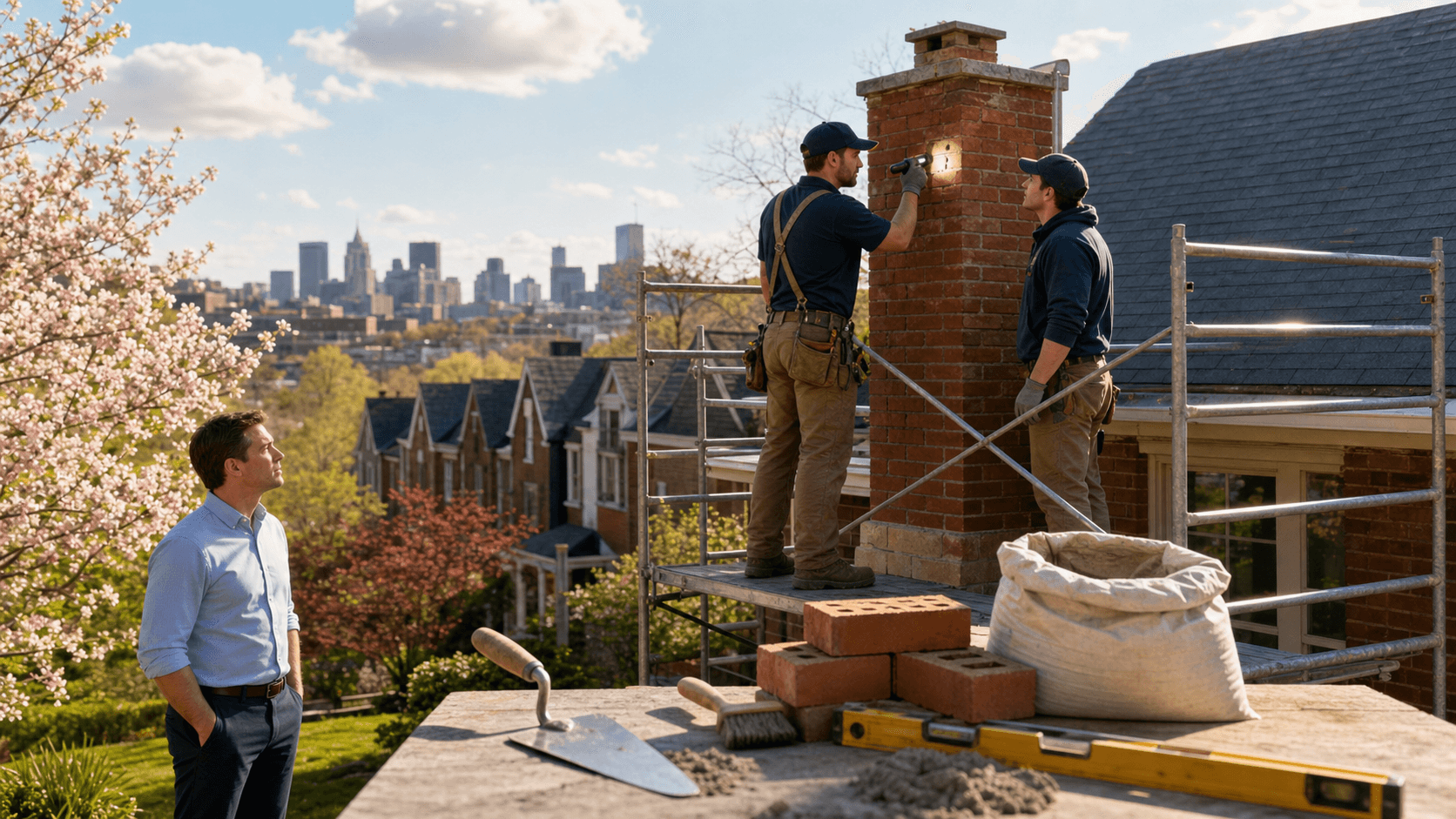
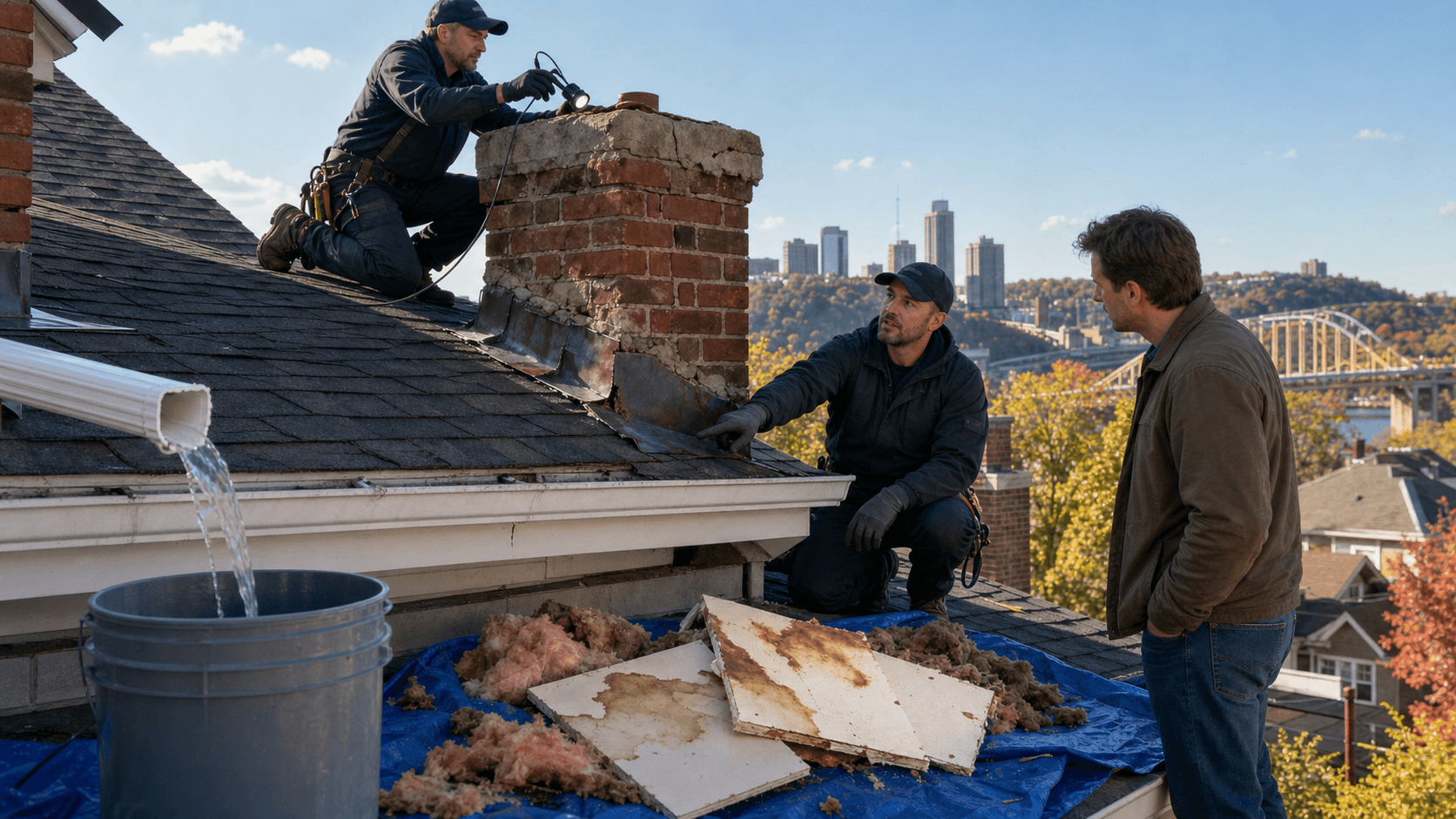
Next comes a visual inspection of the firebox, damper, smoke chamber, and as much of the chimney exterior as we can see. In Pittsburgh, we pay close attention to signs of water damage and freeze-thaw stress like:
- Cracked or loose bricks
- Crumbling mortar joints
- Staining or efflorescence on the chimney face
- Rusted or warped metal parts
There are three main inspection levels we may discuss:
- Level 1: A basic, yearly inspection for systems that have not changed and have no known problems
- Level 2: A more detailed inspection, often needed when selling a home, after damage, or when adding or changing appliances
- Level 3: A deeper inspection that may require opening walls or masonry when there are serious structural concerns
To see inside the flue, we use strong flashlights, mirrors, and often video cameras. This lets us check the liner, joints, and hidden areas for creosote buildup, gaps, or blockages. If we find concerns, we document them with photos or video stills and clear written notes.
At the end, you should receive an explanation that makes sense without a lot of jargon. A good sweep will connect what they found to building codes and NFPA standards, then sort issues into what is urgent for safety and what can be watched and handled later.
The Chimney Sweeping and Cleaning Process Explained
Once the inspection is done, it is time for sweeping and cleaning. Protecting your home is the first step. We place clean drop cloths in front of the fireplace and in any work path we use. The fireplace opening may be partly sealed with clean plastic or other materials, and we use high-efficiency vacuums with HEPA filtration to pull dust and soot away from your living space. This is especially important in older Pittsburgh homes where air can move through hidden gaps.
The sweeping itself usually involves:
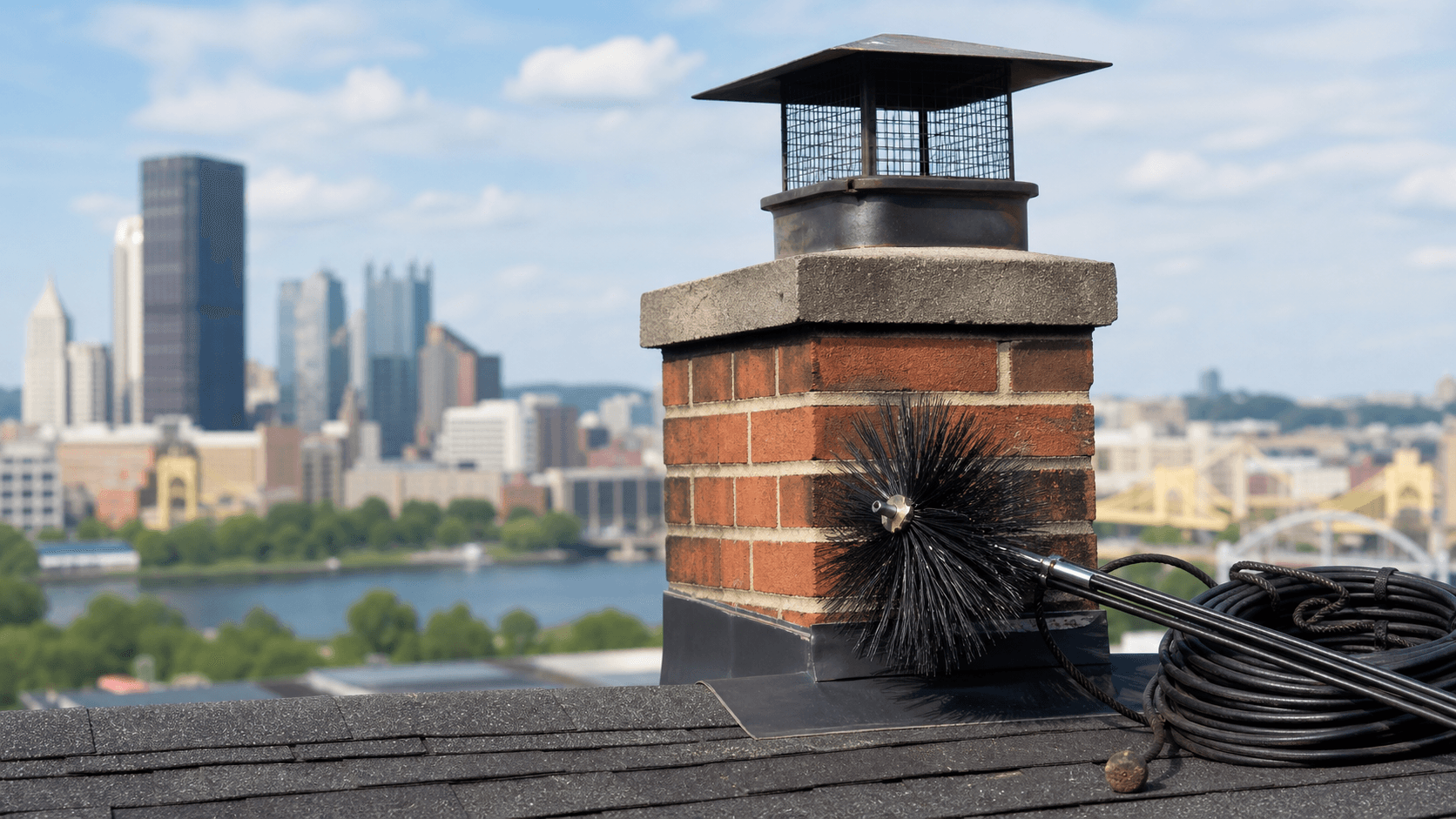
- Using rods and brushes sized to your flue
- Cleaning from the bottom, the top, or both, depending on chimney height and access
- Loosening soot and creosote from the liner and smoke chamber
- Checking for animal nests, leaves, or loose masonry that may block the flue
In our climate, we often see bird or small animal nests, bits of spalled brick, and rusted metal parts falling into the smoke chamber. These all need to be cleared so your chimney drafts the way it should.
When the sweeping is finished, we run final safety checks. That includes making sure the damper opens and closes freely, confirming there is no obvious blockage, and checking that nearby materials have proper clearance from heat. If we spot heavy creosote, cracked liners, or signs of a past chimney fire, we explain the risk and talk through next steps before the system is used again.
Repair, Masonry, Liner Options and Choosing the Right Sweep
A certified chimney sweep in Pittsburgh does not just clean; we also help you plan for repairs. Common issues in our area include:
- Masonry cracks from freeze-thaw cycles and moisture
- Spalling bricks where the faces flake or pop off
- Crumbling mortar joints that loosen the structure
- Damaged or missing chimney caps and worn crowns
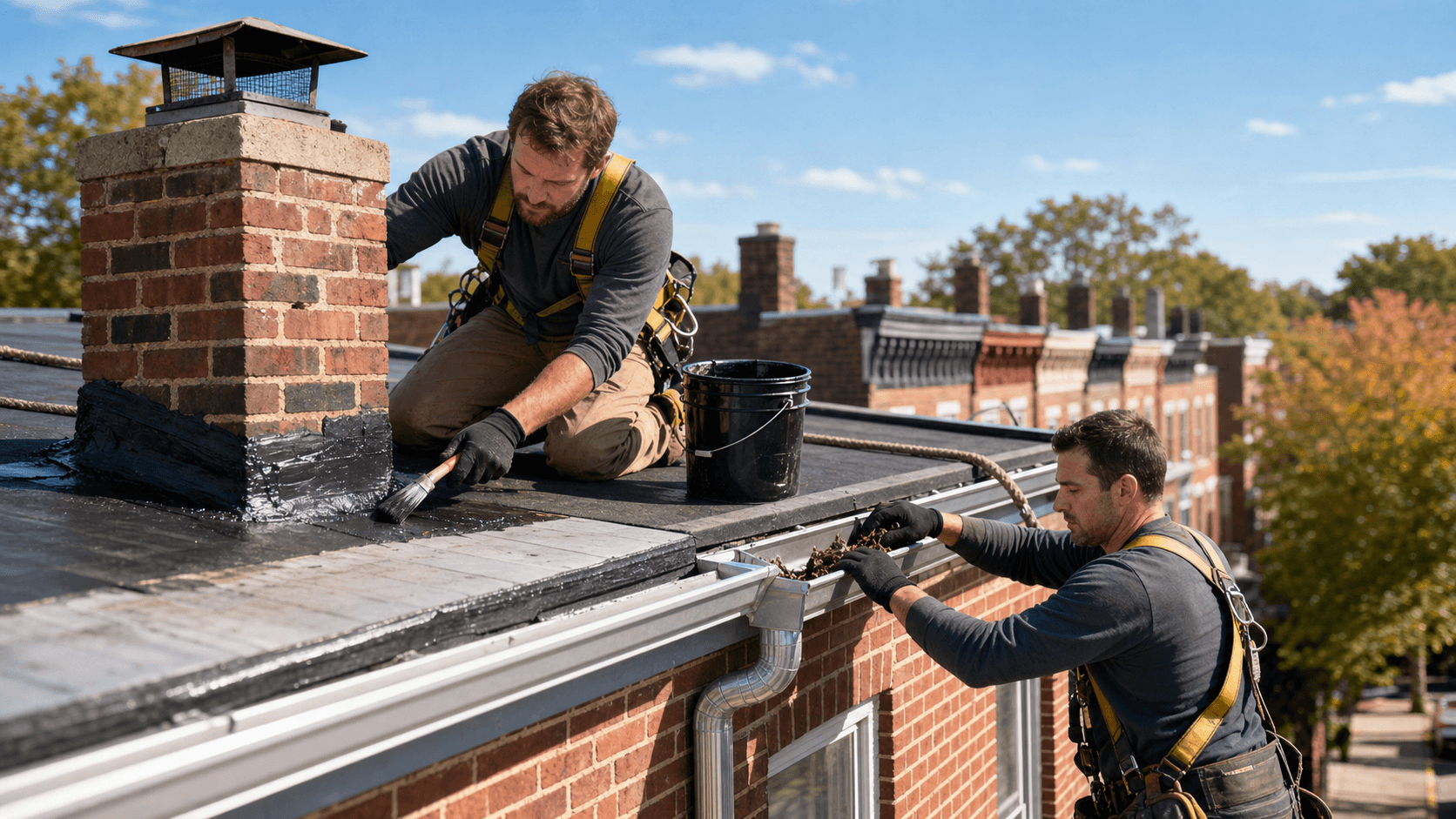
- Flashing problems where the chimney meets the roof, which can cause leaks and indoor staining
Inside the flue, we may talk about liner options. Stainless steel liners are often recommended when:
- You have a new stove or insert that needs a properly sized flue
- The original clay tile liner is cracked, missing pieces, or unlined
- You live in an older or historic neighborhood with aging masonry
A liner can help with safety, draft, and code compliance. The key is to match the liner to your appliance, chimney size, and local requirements.
A good certified pro will walk you through timing and scope in plain language. Safety issues that affect fire risk or carbon monoxide are always the top priority. After that, we can plan cosmetic work or performance upgrades in future seasons. Written estimates, a clear list of tasks, and realistic timelines are all signs you are working with someone who takes your home and your time seriously.
When choosing a certified chimney sweep in Pittsburgh, consider:
- CSIA certification and proof of insurance
- Experience with local housing styles and codes
- Consistent, detailed reviews and word-of-mouth recommendations
- Clear, prompt communication and direct answers to safety questions
Be cautious about high-pressure sales tactics, door-to-door offers after storms, or anyone who will not show credentials or inspection photos. A trustworthy sweep will welcome your questions and focus on long-term safety, not quick, pushy deals.
Protect Your Home With Trusted Chimney Experts
If you are ready to make your fireplace safer and more efficient, schedule service with a certified chimney sweep in Pittsburgh today. At Chimney Fixers SEO, we use proven methods and inspections to catch small issues before they become costly repairs. Reach out so we can evaluate your chimney, explain your options clearly, and recommend the right next steps. To set up an appointment or ask questions, simply contact us.